hello@slated.gg
Powered by IGDB•Privacy•Terms

© 2026 Slated.gg

Slated.gg
Popular GamesAboutDiscover Games
Wo Long 2: Wings of Ember

Koei Tecmo • 2027 • Xbox Series X|S, Nintendo Switch 2, PC (Microsoft Windows), PlayStation 5
Satisfying to completeRewarding skill growthAdrenaline rush
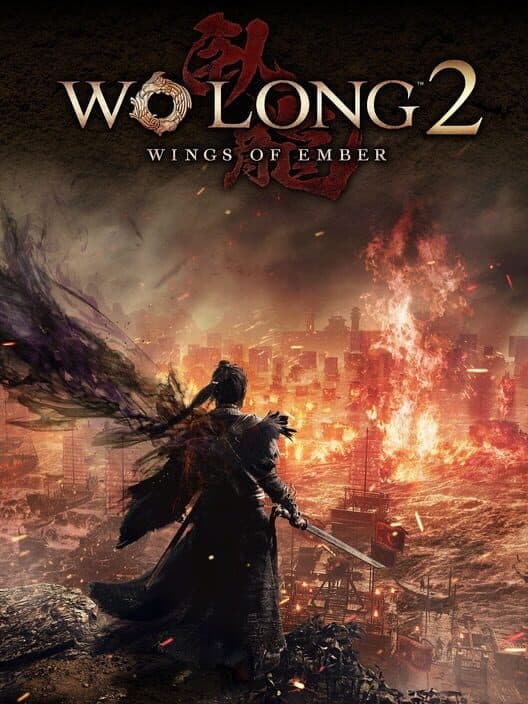
Wo Long 2: Wings of Ember cover art

Wo Long 2: Wings of Ember

Koei Tecmo • 2027 • Xbox Series X|S, Nintendo Switch 2, PC (Microsoft Windows), PlayStation 5

Satisfying to completeRewarding skill growthAdrenaline rush

Is Wo Long 2: Wings of Ember Worth It?

Tentatively yes if you want hard, parry-heavy combat in mission-sized chunks and you do not need a story-first experience. The big appeal here is that training-montage feeling. You start scrappy, then gradually learn enemy rhythms, nail deflects on instinct, and beat encounters that looked impossible a few hours earlier. For a busy week, the battlefield structure is a real plus because flags and mission endings should create cleaner stopping points than many dark fantasy action games. The catch is that this series asks for focus and patience. Bosses look punishing, the mood is intense, and the surrounding systems may still carry loot clutter or repeated encounters if the sequel does not improve enough on the first game. Buy at full price if the first game's combat already clicked for you or if you love tough action with clear skill growth. Wait for reviews or a sale if you liked the concept but bounced off gear noise or repetition. Skip it if you want a calm, dialogue-led adventure.

What is Wo Long 2: Wings of Ember like?

Opinions of Wo Long 2: Wings of Ember

What Players Love

  • Players Love

    Fast deflect combat is still the main draw

    Early reaction keeps circling back to the same promise: aggressive parries, quick counters, and the spirit system make fights feel sharper and more distinctive.

  • Players Love

    Players like the idea of a second chance

    There is real optimism that a follow-up can build on a strong base, deepen weapon options, and smooth out the rough edges that held the first game back.

Common Concerns

  • Common Concern

    Loot clutter and shallow gear choices need fixing

    The biggest worry is not the core combat. Players want cleaner loot, stronger weapon depth, and progression systems that feel meaningful instead of noisy.

  • Common Concern

    Fans want more memorable enemies and battlefields overall

    A common request is better variety. Some players felt the first game reused foes and spaces too often, especially later, and want fresher encounters this time.

Divisive Aspects

  • Divisive

    Morale and flag hunting split the audience sharply

    Some players love the extra stakes and route planning these systems add. Others see them as busywork that slows boss retries and hurts pacing.

What does Wo Long 2: Wings of Ember demand from you?

Time

MODERATE

Time

This should fit better than most hard action games into a busy week. Missions and flags create clean stop points, but sudden interruptions still hurt in the middle of combat.

MODERATE

For someone with limited weekly time, this likely asks for moderate commitment in a fairly workable shape. A full first run should land around 25 to 45 hours if the sequel tracks the first game, which is substantial but not endless. More importantly, that time is broken into missions, checkpoints, and boss attempts that naturally divide the experience into manageable chunks. You can usually say, “I’ll clear one battlefield section,” or, “I’ll give this boss three tries,” and actually stop there. That is a big advantage over games that blur into open-ended wandering. The main scheduling catch is flexibility inside a live mission. Once combat starts, this still looks like a poor fit for frequent interruptions, and save freedom probably won’t be generous enough to support constant stop-and-start play. Coming back after a week away should be doable, but not seamless. You may need a few minutes to remember your route, loadout, and what the current boss was teaching you. It looks built first for solo play, with co-op as an optional assist rather than an obligation.

Tips
  • Plan around one mission chunk or one boss wall per session; that keeps progress visible without turning every night into an exhausting marathon.
  • Try to end sessions at flags or after mission clear screens so your next return starts clean and not mid-frustration.
  • If you only play once or twice a week, keep a simple note on weapon choice, spell setup, and current boss to reduce re-entry time.

Focus

HIGH

Focus

You’ll spend most sessions fully locked in, reading attack tells, timing deflects, and watching spacing. Menu breaks help, but this is not something you half-play.

HIGH

This game looks like it asks for sharp, steady attention in short bursts, then rewards that effort with the thrill of clean execution. In a normal mission, you are rarely just going through motions. You’re watching enemy posture, waiting for dangerous swings, deciding whether to push deeper for another flag, and keeping your build in mind between fights. The thinking is practical and immediate, not abstract. You are reading the room, reading the enemy, and reacting on time. That means it should feel easier to play in a focused 60 to 90 minute window than while chatting, folding laundry, or checking your phone. The good news is that the mission layout likely gives you built-in breathers. Flags, menus, and mission ends create small pockets where you can reset your brain and make gear changes. So the game asks for real concentration while action is happening, but it usually pays you back with very clear feedback. When you improve, you feel it right away in smoother fights and fewer sloppy mistakes.

Tips
  • Treat each battlefield like a series of short sprints: clear one section, touch a flag, then decide if you still want another push.
  • If deflect timing feels off, switch to a weapon rhythm that fits your hands instead of forcing a frustrating session.
  • After a break, spend two minutes checking morale, spells, and route progress before you run straight back into a boss.

Challenge

MODERATE

Challenge

Learning it should take real effort, but mostly because the timing and layered systems need to click. Once they do, the game turns from punishing to deeply satisfying.

MODERATE

This looks like a game that teaches through repeated contact, not gentle explanation. Early on, it will probably feel harsher than it really is because the combat language has to sink in first. You need to trust deflect timing, understand when aggression is smart or reckless, and make sense of how morale, spells, and gear support your playstyle. That’s a lot for a new player, especially if the sequel keeps Team NINJA’s habit of hiding useful depth behind dense menus and layered mechanics. The upside is that the path to getting better is concrete. You are not chasing vague improvement. You learn enemy strings, clean up your rhythm, find a weapon you like, and stop making the same panic mistakes. Failure still has teeth, so the process may feel rough during bad nights. But it probably won’t be unfair for long stretches if you engage with the systems and keep your expectations focused on one strong first run. In return for a tough learning period, the game offers one of the best feelings in action games: obvious, earned personal improvement.

Tips
  • Use early or side missions to practice deflect timing on safer enemies instead of learning everything for the first time in boss rooms.
  • Keep one weapon and one spell setup long enough to build muscle memory before experimenting with every new drop.
  • When you die, review the last mistake in plain terms like early deflect, greedy attack, or bad spacing. That speeds improvement fast.

Intensity

HIGH

Intensity

Expect energized, sweaty pressure more than dread. Bosses, morale stakes, and repeated retries can spike your pulse, but the game’s tension comes from action, not horror helplessness.

HIGH

The emotional pull here should be strong and immediate. This is the kind of action game where one clean read can make you feel brilliant and one mistimed answer can turn a winning attempt into a collapse. That creates a high, restless energy through most sessions. The pressure is not really about jump scares or bleak mood. It comes from knowing that every push through a battlefield matters, every boss attempt demands respect, and every death asks you to steady yourself and try again better. The game gives you relief valves through flags and mission structure, which matters a lot. You’re not usually trapped in a huge wandering stretch with no sense of progress. Still, the basic emotional flavor looks intense. This is better for nights when you want to feel switched on and tested. It is worse for nights when you want background comfort or a calm story before bed. In return for that pressure, it delivers those big release moments where a boss finally clicks and your whole session turns into relief and pride.

Tips
  • Play it when you want challenge with adrenaline, not as a wind-down game right before sleep.
  • If a boss is tilting you, stop after two or three bad attempts and use the rest of the session on easier flags or build cleanup.
  • Co-op or an AI companion can lower the emotional spike if you want progress without every fight resting on perfect timing.

Frequently Asked Questions

Probably hard, but not impossibly so for a patient player. If Wo Long 2 follows the first game, the main hurdle will be learning its rhythm, not understanding its buttons. You will likely struggle most in the opening hours and at major bosses, where the game asks you to read attack strings, trust your deflect timing, and stop mashing when nerves kick in. That makes it feel closer to Sekiro than to a broad, forgiving action adventure, though likely a bit less severe than Sekiro at its meanest. Compared with Elden Ring, it should be less about wandering into the wrong place and more about mastering the fight in front of you. Hard to learn and hard to master are different here. Getting comfortable may take 8 to 15 hours for a typical player. Mastering every build and late-game system would take much longer, but you do not need that to finish one campaign. If you enjoy repeating a boss until the rhythm clicks, this should feel exciting. If you hate reflex tests and repeated deaths, it may feel exhausting.

Expect roughly 25 to 45 hours for one solid first run, with around 35 hours as a reasonable middle estimate if the sequel tracks the first game. A more thorough run with extra missions, more build testing, and optional online play could stretch toward 45 to 70 hours. The good news is that the time should come in manageable chunks. These games are usually built around battlefields, flags, and boss endpoints, so a 60 to 90 minute session can still feel complete even if you do not clear everything. That structure is much friendlier than a giant open world that swallows whole evenings. The main caution is saving and stopping. Progress will likely feel safest at flags or mission ends rather than at any random second. So while the total campaign length is moderate, the game is still best when you can give it a focused hour. Replay value comes from new builds, mission replay, co-op, and post-game challenge, but most players will feel they have gotten the core experience after one full campaign.

Yes, it will probably be pretty stressful in a good-action-game way. The pressure should come from boss retries, risky pushes to the next flag, and those moments where one missed deflect can undo a strong attempt. That is exciting stress more than miserable dread. You are not likely dealing with constant horror helplessness. Instead, the game seems built around tense concentration followed by sharp release when a plan works. The bad kind of stress shows up when you are tired, distracted, or trying to squeeze in a session with frequent interruptions. This is not the sort of game that welcomes half attention, and frustration can build quickly if your timing is off. The good kind of stress appears when you are alert and in the mood to improve. Then every close fight feels meaningful, and beating a boss gives a real rush. Best time to play: when you want to feel switched on and tested for an hour. Worst time to play: late at night when you want comfort, slow pacing, or easy wins.

Yes, this looks fully soloable, and solo play is still the default way most people will experience it. Optional co-op and online invasions may return, but the core design is a single warrior pushing through battlefields, learning enemy rhythms, and shaping a build over time. In other words, you should not need a regular partner, voice chat, or organized group to see the campaign through. Co-op will likely make certain rough spots easier and add variety, but it should feel like help, not a requirement. For a busy player, that matters a lot. You can make progress on your own schedule without waiting on anyone else to log in. The bigger question is not whether you can play alone, but whether you can play casually. The answer there is mixed. The mission structure should fit short sessions fairly well, but the moment-to-moment action still wants full focus, and sudden interruptions are a problem in active combat. So yes, solo works well. It just is not a low-effort, low-attention kind of solo game.

No, there is currently no sign that Wo Long 2 is pay-to-win. Everything official points to a standard premium release, with day-one Xbox Game Pass as another way to access it rather than a system for buying power. There is no evidence of gacha pulls, card packs, paid gear advantages, or a battle pass that locks strength behind extra spending. That matters for this kind of game because its appeal depends on earned improvement. The whole point is learning enemy patterns, tuning your build, and winning through better play, not opening your wallet to smooth over difficulty. As always with a pre-release analysis, post-launch extras could still appear in the form of cosmetics or later DLC expansions, but that is very different from selling raw power. Based on what is confirmed now, you should expect to pay once and progress by playing. If you are worried about spending pressure, this looks far safer than a live-service game built around ongoing monetization loops.

You Might Also Like

Games with a similar rhythm and feel, even if they look different
Explore more→
Valor Mortis game cover art
Satisfying to completeRewarding skill growth

Valor Mortis

Time
MODERATE
Focus
HIGH
Challenge
HIGH
Intensity
HIGH
The First Berserker: Khazan game cover art
Satisfying to completeRewarding skill growth

The First Berserker: Khazan

Time
MODERATE
Focus
HIGH
Challenge
HIGH
Intensity
VERY HIGH
Mortal Shell II game cover art

Mortal Shell II

Time
MODERATE
Focus
HIGH
Challenge
MODERATE
Intensity
HIGH
Phantom Blade 0 game cover art
Satisfying to complete

Phantom Blade 0

Time
MODERATE
Focus
HIGH
Challenge
MODERATE
Intensity
HIGH
Dark Souls III game cover art
Rewarding skill growth

Dark Souls III

Time
MODERATE
Focus
HIGH
Challenge
HIGH
Intensity
HIGH
The Relic: First Guardian game cover art
Rewarding skill growth

The Relic: First Guardian

Time
MODERATE
Focus
HIGH
Challenge
MODERATE
Intensity
HIGH
← Back to Home