Nexon • 2025 • PC (Microsoft Windows), PlayStation 5, Xbox Series X|S
The First Berserker: Khazan is worth it if you want a focused single-player challenge built around hard boss fights, heavy melee impact, and the thrill of slowly earning mastery. Its best quality is simple: when the combat clicks, wins feel fantastic. The mission-based structure also helps if you prefer clear goals over wandering, and the dark anime-inspired style gives it more identity than a lot of similar games. What it asks from you is patience. Expect repeated deaths, full-attention combat, and sessions that can end with a boss still standing. The story seems fine as motivation, but it is not the main event. Buy at full price if you already enjoy games like Sekiro or Nioh and want another demanding campaign. Wait for a sale if you are curious but easily frustrated, or if you mainly want exploration and story. Skip it if you want relaxed progress, flexible stop-anytime play, or a game you can half-watch while doing other things.

Nexon • 2025 • PC (Microsoft Windows), PlayStation 5, Xbox Series X|S
The First Berserker: Khazan is worth it if you want a focused single-player challenge built around hard boss fights, heavy melee impact, and the thrill of slowly earning mastery. Its best quality is simple: when the combat clicks, wins feel fantastic. The mission-based structure also helps if you prefer clear goals over wandering, and the dark anime-inspired style gives it more identity than a lot of similar games. What it asks from you is patience. Expect repeated deaths, full-attention combat, and sessions that can end with a boss still standing. The story seems fine as motivation, but it is not the main event. Buy at full price if you already enjoy games like Sekiro or Nioh and want another demanding campaign. Wait for a sale if you are curious but easily frustrated, or if you mainly want exploration and story. Skip it if you want relaxed progress, flexible stop-anytime play, or a game you can half-watch while doing other things.
Players keep praising the strong hit feel and the payoff of learning tough encounters. Repeated losses often turn into memorable victories rather than hollow stat checks.
Many players love the challenge, but others say repeated boss attempts can cross from exciting into exhausting, especially when one encounter eats most of the night.
Some players like the directed structure because each session has a clear goal. Others wanted broader exploration and see the same design as limiting.
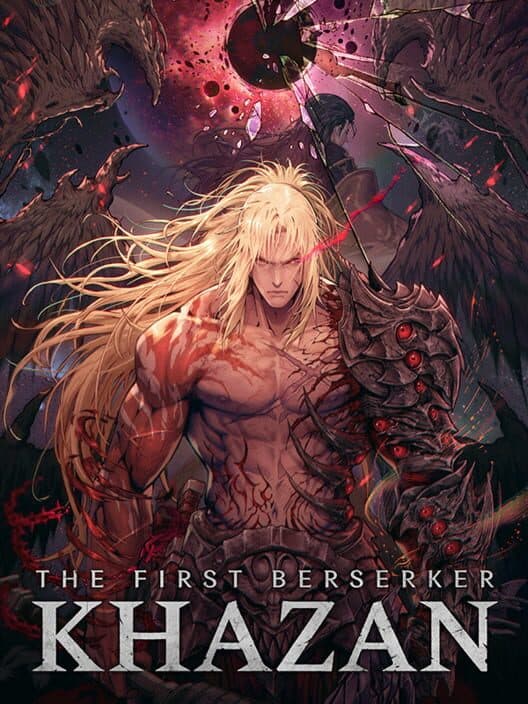
The grim art style, character designs, and presentation help it stand out from other hard action games, making the world feel more distinct even when the story stays simple.
Feedback suggests the plot does enough to push you forward, but characters and dramatic beats rarely match the impact of the combat itself.
Players keep praising the strong hit feel and the payoff of learning tough encounters. Repeated losses often turn into memorable victories rather than hollow stat checks.
The grim art style, character designs, and presentation help it stand out from other hard action games, making the world feel more distinct even when the story stays simple.
Many players love the challenge, but others say repeated boss attempts can cross from exciting into exhausting, especially when one encounter eats most of the night.
Feedback suggests the plot does enough to push you forward, but characters and dramatic beats rarely match the impact of the combat itself.
Some players like the directed structure because each session has a clear goal. Others wanted broader exploration and see the same design as limiting.
This is a finite solo campaign with clear goals, but limited pause and save freedom mean it works best when you can protect an hour.
For a busy schedule, this sits in a useful middle ground. It is not a giant forever game, and it is not a one-weekend sprint either. Most people looking for the full experience will probably spend around 25 to 35 hours reaching the ending, with more time if they chase side content or swap weapons late. The mission-led structure helps a lot because each night usually has a clear goal: push through a stage, reach a safe point, or spend a few serious tries on a boss. That makes progress feel purposeful. The catch is flexibility. This is not the kind of game that loves surprise interruptions. Limited pause behavior and checkpoint-style saving mean it works best when you can protect an hour, not when you're likely to be pulled away every ten minutes. Coming back after a break is manageable because the next objective is usually obvious, but your hands may feel rusty. It asks for planned solo evenings, and it pays that back with a focused, finite campaign.
You need to lock in, read every tell, and react fast. This works best as fully attentive evening play, not background gaming.
The game asks for real lock-in and rewards it with satisfying melee flow. In a normal session, you spend most of your time watching enemy tells, managing spacing, and deciding whether this is a safe moment to swing or a bad one that gets you flattened. The thinking is practical and immediate, not big-picture or turn-based. You are reading animations, feeling out dodge timing, and adjusting on the fly when a combo goes one hit longer than expected. That makes it a poor fit for half-attentive play. If you're checking messages, helping with chores, or watching a second screen, you'll probably eat damage fast. The good news is that the focus it asks for turns into a strong tunnel-vision rhythm once a weapon clicks. When you are fully present, fights feel clean and readable instead of chaotic. So the trade is simple: it asks for your full attention in the moment, and it pays that back with a strong sense of control and earned improvement.
It teaches through hard repetition. Learn one weapon, read patterns, and accept a rough early stretch before the combat starts feeling truly yours.
It is hard to get comfortable here, but not because the rules are impossibly hidden. The game seems pretty clear about its core loop: learn a weapon, respect enemy patterns, spend resources wisely, and stop overcommitting. The tricky part is turning that knowledge into consistent execution. Early on, you will probably understand why you died before you can reliably stop doing it. That makes the first stretch slower and rougher than a standard action game. The upside is that improvement feels tangible. A boss that seemed cheap on attempt two often looks much cleaner by attempt eight because you can finally see the rhythm. Build choices and upgrades give you some room to smooth rough edges, but they do not replace learning. This is not a game where stats alone carry you. It asks for repetition, patience, and a willingness to study your own mistakes. In return, it gives you that great action-game feeling of going from clumsy survival to deliberate control.
Expect repeated losses, rising pressure, and big relief when a boss finally falls. Great for challenge nights, rough for tired ones.
This is a high-pressure game, but its stress comes more from repeated hard fights than from horror or constant noise. The big emotional swings happen at bosses: a few failed attempts, a growing read on patterns, then a win that feels like you actually learned something. That creates the good kind of stress for players who like being tested. It also means tired nights can turn sour fast. If your patience is low, one difficult encounter can eat most of a session and leave you drained instead of energized. The grim revenge tone adds weight, but the real pressure comes from how much each mistake matters during combat. You usually are not losing hours of progress, yet you are losing time, momentum, and confidence. That is enough to keep your pulse up. The trade here is clear: it asks you to tolerate frustration and repeated failure, and in return it delivers some very strong relief, release, and fist-pump victory when a wall finally breaks.
Games with a similar rhythm and feel, even if they look different