S-Game • 2026 • PC (Microsoft Windows), PlayStation 5
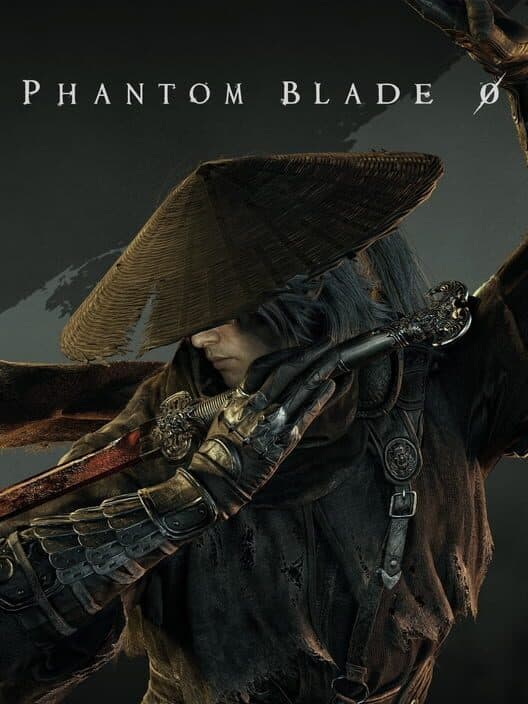
Phantom Blade Zero
S-Game • 2026 • PC (Microsoft Windows), PlayStation 5
Is Phantom Blade Zero Worth It?
As a pre-release forecast, Phantom Blade Zero looks worth it if you want stylish swordplay, a darker revenge story, and a game that feels great in 60 to 90 minute sessions. Its big promise is not size for its own sake. It is the feel of moving through compact maps, reading enemy tells, and turning good defense into flashy, satisfying offense. That should make each evening feel productive even if you only clear a few tough fights and reach the next bell. Buy at full price if sharp melee combat is your main reason for showing up and you're comfortable with moderate challenge, dark violence, and checkpoint-based saving. Wait for reviews or a sale if pause behavior, accessibility options, or long-term combat depth really matter to you, because those details are still not fully proven before launch. Skip it if you want relaxed background play, lots of multitasking freedom, or a family-room-safe screen. If the final release matches current demos, this looks like a strong single-player action game rather than an endless hobby.
What is Phantom Blade Zero like?
Opinions of Phantom Blade Zero
What Players Love
- Players Love
Combat looks as smooth as the trailers promise
Hands-on previews keep praising the swordplay for feeling responsive, rhythmic, and stylish in motion, which is why most excitement centers on simply playing it.
- Players Love
The rain-soaked kungfupunk style feels fresh and memorable
Players keep highlighting the blend of wuxia, dark fantasy, and industrial flair. It helps the game stand out quickly and gives it a look people remember.
Common Concerns
- Common Concern
Flashy combat may still hide limited long-term depth
A recurring worry is that beautiful combo scenes could mask a shallower combat system. Interested players want proof the action stays rewarding past early wow moments.
- Common Concern
Important quality-of-life details remain unclear before launch
Pause behavior, accessibility breadth, final difficulty options, and a few feature details are still fuzzy, which makes cautious buyers want launch-day verification.
Divisive Aspects
- Divisive
Its genre label sets very different player expectations
Some people want accessible stylish action, while others keep measuring it against stricter soulslike standards. That split shapes how the same footage gets judged.
What does Phantom Blade Zero demand from you?
Time
MODERATETime
Think several weeks of evening sessions, with decent stopping points at bells but less freedom than a true save-anywhere game.
Focus
HIGHFocus
You need your eyes on the screen and your hands ready, because most of the work is fast reads, spacing, and timing rather than slow planning.
Challenge
MODERATEChallenge
It looks learnable with practice, not brutally exclusive. You'll improve by reading tells, settling on a weapon pair, and building steady defensive habits.
Intensity
HIGHIntensity
Expect sharp pressure instead of constant panic: close fights and a dark tone raise the pulse, but nearby checkpoints should keep losses from feeling cruel.
Frequently Asked Questions
You Might Also Like
Games with a similar rhythm and feel, even if they look different