hello@slated.gg
Powered by IGDB•Privacy•Terms

© 2026 Slated.gg

Slated.gg
Popular GamesAboutDiscover Games
Mortal Shell II

Playstack • 2026 • Xbox Series X|S, PC (Microsoft Windows), PlayStation 5
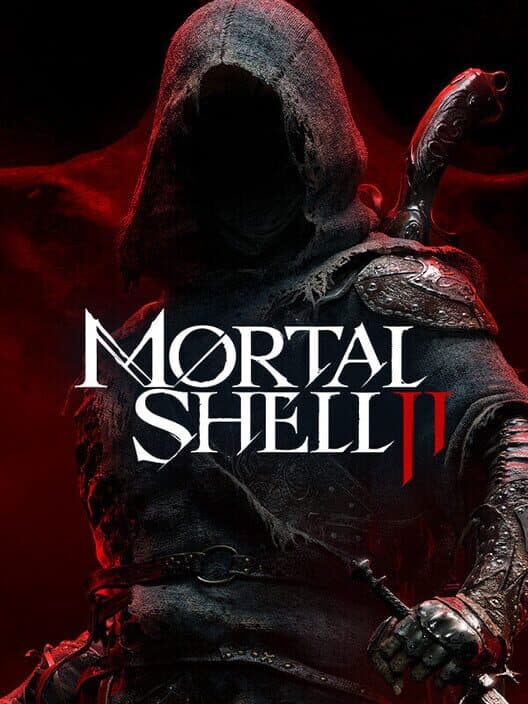
Mortal Shell II cover art

Mortal Shell II

Playstack • 2026 • Xbox Series X|S, PC (Microsoft Windows), PlayStation 5

Is Mortal Shell II Worth It?

Mortal Shell II looks worth it for people who want grim, high-stakes melee combat and do not mind learning through failure. Its big appeal is density: a compact world, dangerous short dungeons, distinct Shell playstyles, and a tone that feels nasty in a good way. If the final release delivers on what the beta shows, it could be a strong pick for anyone who loves the feeling of finally mastering a brutal fight without signing up for a giant 100-hour sprawl. The big caution is that the current read is still beta-shaped. Combat has earned a lot of praise, but some players report floatier movement, rough boss moments, and quality-of-life friction. So this is a full-price buy for people already sold on moody, demanding action and willing to tolerate a little roughness. Wait for reviews or a sale if you want cleaner polish, clearer upgrade guidance, or easier drop-in play after a long workday. Skip it if you mainly want a relaxing, family-room-safe game that handles interruptions gracefully.

What is Mortal Shell II like?

Opinions of Mortal Shell II

What Players Love

  • Players Love

    Brutal combat feels fast, heavy, and rewarding to learn

    Most beta players praise the aggressive melee flow, visceral finishers, and satisfying hit feel. Fights seem dangerous in a way that makes improvement exciting.

  • Players Love

    Dark fantasy atmosphere gives the world a stronger identity

    Players often single out the oppressive art, music, and overall mood as standout strengths. The world feels grim and distinct instead of like a generic copy.

Common Concerns

  • Common Concern

    Some attacks and movement can feel floaty or unclear

    A noticeable group of players say certain swings, dodges, and movement beats lack the weight or readability they wanted, especially over longer play sessions.

  • Common Concern

    Beta rough edges show in travel, controls, and polish

    Fast travel flow, controller behavior, pop-in, collision oddities, and occasional boss jank come up often. Players mostly frame these as polish issues, not deal breakers.

Divisive Aspects

  • Divisive

    Current difficulty may feel too soft for veterans

    Some experienced Soulslike players think parry timing and enemy aggression are too generous, while others welcome the lighter touch as a more approachable balance.

What does Mortal Shell II demand from you?

Time

MODERATE

Time

It fits weeknight chunks better than giant open worlds, but checkpoint saving, mid-run risk, and moderate return friction still ask for some planning.

MODERATE

For a busy schedule, this looks more workable than a giant map packed with chores. A satisfying run should often fit into 60 to 90 minutes: warm up, clear a path, maybe finish a short dungeon or boss attempt, then stop at a beacon or return to the hub. Those are decent natural endpoints, even if the game is still more self-directed than a clean mission-based structure. The catch is flexibility inside a session. Progress appears checkpoint-based, and full pause behavior is still not completely verified outside beta materials, so sudden interruptions may feel awkward compared with a more accommodating single-player game. It is also not the easiest game to drop for two weeks and resume cold. You will likely need a few minutes to remember your route, current Shell setup, and what you meant to do next. The good news is that there are no social obligations whatsoever. Your time is your own. Just expect a game that respects planned play blocks more than chaotic real-life interruptions.

Tips
  • Aim for 60 to 90 minute sessions. That is usually enough time to warm up, clear a dungeon, and stop at a beacon or hub.
  • Keep a quick phone note with your current Shell, next upgrade goal, and last landmark. It makes returning after a week much smoother.
  • Stop after you unlock a beacon or spend materials. Those are the cleanest endings, and they reduce the pain of coming back cold.

Focus

HIGH

Focus

This asks for locked-in attention almost every time steel comes out, then pays you back with tense, satisfying fights where timing and positioning matter.

HIGH

This is a game for nights when you can give it your full brain. It asks you to watch enemy windups, manage spacing, remember what your current Shell can do, and decide when to keep pushing versus cash out progress. During combat there is not much room for distracted play. A text message, a kid asking a question, or a glance at a second screen can easily turn into a death because fights swing fast once enemies crowd you or a miniboss starts chaining attacks. The payoff for that attention is strong. When you are locked in, fights feel sharp and deliberate instead of noisy. You start reading rooms better, spotting safe windows, and making cleaner choices about routes and upgrades. The compact world also helps a little. It is demanding, but it is not asking you to hold a giant map or a hundred quest lines in your head at once. Think of it as focused, hands-on play rather than sprawling mental admin.

Tips
  • Start each session by clearing a familiar route or two. That quick warm-up helps your timing return before you tackle a dungeon or boss.
  • Stick with one Shell and weapon for your first several hours. Reducing variables makes enemy patterns and spacing much easier to read.
  • If you feel sloppy, bank materials and reset rather than forcing one more risky push. This game punishes tired autopilot.

Challenge

MODERATE

Challenge

You can learn the basics in a handful of sessions, but real comfort comes from reading patterns, understanding Shells, and accepting a few hard lessons.

MODERATE

The basics should click within a few sessions, but comfort will take longer. The core ask is learning a different rhythm than many action games: not button-mashing, not hiding behind a huge stamina bar, but choosing your moments carefully, reading patterns, and understanding what your current Shell and weapon actually do well. You can probably become serviceable in 5 to 10 hours. Feeling consistently confident against tougher bosses will take longer. What may slow people down is not just enemy difficulty. It is also system opacity. Current beta feedback suggests some upgrade paths and useful tools are easy to miss, so part of the learning comes from poking around, testing things, and sometimes realizing you overlooked a helpful option. The upside is that improvement should feel tangible. You learn enemy timing, cleaner spacing, better route choices, and smarter build decisions. If you enjoy that steady feeling of finally getting it, the effort should pay off well.

Tips
  • Treat early deaths as scouting, not failure. Spend a run learning attack timing and safe punish windows before you worry about playing clean.
  • Read every upgrade and Shell description carefully. Beta feedback suggests useful paths are easy to miss if you rush menus.
  • Practice one defensive answer at a time: dodge timing, then parry timing, then sidearm interrupts. Layering skills works better than forcing everything.

Intensity

HIGH

Intensity

Expect steady pressure, ugly monsters, and real punishment for mistakes. It feels exhilarating when you're sharp and exhausting when you're already spent.

HIGH

Mortal Shell II looks built around good stress, not cozy relaxation. Most sessions should carry a low simmer of danger, then spike hard when you enter a dungeon, meet a miniboss, or decide to risk one more room before banking progress. Death appears meaningful enough that mistakes sting, so the pressure feels real even when the game is not at full boss-fight volume. That said, the stress comes more from combat danger and punishment than from cheap shocks. This does not look like a jump-scare machine. It is more the sit-forward-on-the-couch kind of pressure: dark art, gruesome enemies, heavy music, and fights that can unravel quickly if you get greedy. When you are in the right mood, that pressure is a big part of the fun. Each safe return feels earned. When you are tired or frustrated, though, the same pressure can turn sour fast. This looks best as a deliberate choice for nights when you want to feel challenged, not soothed.

Tips
  • Play when you have real mental energy, not as a background unwind game. Boss attempts feel much better when you can stay calm and patient.
  • Use side dungeons or exploration laps after a rough boss wall. A change of pace lowers frustration without killing the sense of momentum.
  • Set a two-bad-deaths rule for yourself. Short breaks help more than repeated tilted runs in games built around punishment.

Frequently Asked Questions

Yes, it looks hard for a first-time player, but not impossibly hard. Based on the beta, the best comparison is somewhere below Sekiro's brutality and around the harder end of Elden Ring's regular melee play. The main challenge comes from timing, spacing, and learning enemy patterns, not from giant rule complexity. You need to read attacks cleanly, know when to stop swinging, and accept that bosses may take several tries. It also does not look especially hard to understand at the broad level. You can grasp the basic loop within a few hours. The tougher part is turning that understanding into consistency, especially once you start mixing Shell abilities, sidearms, and aggressive enemies in tighter spaces. Current feedback suggests parry timing may be more generous than some veterans expected, which could make the early climb friendlier than the harshest Soulslikes. Still, if you dislike retry-driven combat or get discouraged by lost progress, this may feel rough. If you enjoy learning by repetition and visible improvement, the difficulty should feel demanding rather than unfair.

Plan on roughly 25 to 35 hours for a satisfying first playthrough, based on the current beta structure and official scope. If you mostly follow the main arc, learn one or two Shells well, and clear a healthy number of optional dungeons, that seems like the most likely landing spot. If you chase most side content, experiment heavily with multiple builds, or try to see nearly every dungeon, it could stretch toward 40 to 55 hours or more. Those numbers are still provisional until launch reviews confirm the final balance and content spread. Session length looks friendly enough for weeknights. A good run is likely 60 to 90 minutes, with natural stopping points at beacons, cleared side dungeons, or safe returns to the hub. The game does not appear built around giant four-hour marathons, but it also is not as flexible as a save-anywhere adventure. Because progress seems checkpoint-based, the cleanest sessions come from planning your stopping point instead of quitting in the middle of a risky push.

Mortal Shell II looks pretty stressful in the good kind of way if you enjoy hard combat. Most of the pressure comes from dangerous melee fights, meaningful death cost, and that constant question of whether to push a little farther or bank your progress now. It is not a cozy game, and it is not something I'd recommend as background play after an exhausting day. The tone adds to that pressure. The world is bleak, the enemies are grotesque, and the overall feel seems oppressive rather than playful. Still, this does not look like pure horror stress built around jump scares or helplessness. The tension is more active and empowering: you usually die because you misread a pattern, got greedy, or lost your rhythm, not because the game blindsided you with cheap tricks. That makes the stress rewarding for the right mood. If you like sitting forward, locking in, and feeling your hands get a little tense during a boss attempt, it should land well. If you want calm progress and easy breathing room, save it for another night.

Yes. This is a fully single-player game with no co-op requirements, no PvP pressure, and no need to schedule around anyone else. That makes it naturally easier to fit into a busy schedule than games built around raids, team coordination, or daily multiplayer habits. You can play at your own pace and stop caring about the wider community the moment you launch it. The only caveat is that solo does not mean casual in mood or structure. The game still looks demanding, checkpoint-based, and only moderately friendly to sudden interruptions. It should work best in planned 60 to 90 minute blocks where you can reach a beacon, finish a side dungeon, or return safely to the hub. Coming back after a week away will probably require a short warm-up while you remember your route and current setup. So yes, it is absolutely solo-friendly. It is just not the kind of solo game you absentmindedly poke at while half-watching TV.

No. Everything currently documented points to a standard full purchase with no pay-to-win layer at all. There is no competitive mode to sell advantages in, no battle pass, no consumable boosts, and no sign of power being tied to a cash shop. The only monetized extras mentioned so far are things like physical editions and cosmetic pre-order bonuses. That matters here because the whole appeal of the game is earning progress through combat skill, exploration, and build learning. Selling power would undermine the core fantasy, and nothing in the official material suggests the developers are going in that direction. As always, post-launch monetization plans can change in theory, but based on current information there is no reason to expect that. If you're worried about getting nudged toward spending for better gear, faster progress, or easier bosses, this does not look like that kind of game. It looks like a straightforward premium release where the challenge is meant to be overcome by play, not by purchases.

You Might Also Like

Games with a similar rhythm and feel, even if they look different
Explore more→
The Relic: First Guardian game cover art

The Relic: First Guardian

Time
MODERATE
Focus
HIGH
Challenge
MODERATE
Intensity
HIGH
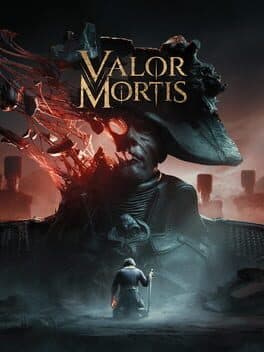
Valor Mortis game cover art

Valor Mortis

Time
MODERATE
Focus
HIGH
Challenge
HIGH
Intensity
HIGH
Lords of the Fallen II game cover art

Lords of the Fallen II

Time
MODERATE
Focus
HIGH
Challenge
MODERATE
Intensity
HIGH
Wo Long 2: Wings of Ember game cover art

Wo Long 2: Wings of Ember

Time
MODERATE
Focus
HIGH
Challenge
MODERATE
Intensity
HIGH
Dark Souls III game cover art

Dark Souls III

Time
MODERATE
Focus
HIGH
Challenge
HIGH
Intensity
HIGH
Elden Ring game cover art

Elden Ring

Time
HIGH
Focus
HIGH
Challenge
HIGH
Intensity
HIGH
← Back to Home