Dark Souls III

Bandai Namco Entertainment2016PlayStation 4, PC (Microsoft Windows), Xbox One
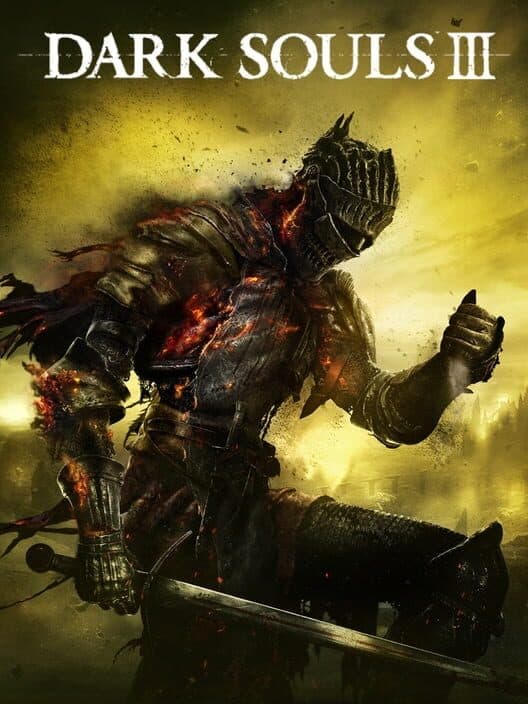
Brutally challenging dark fantasy action RPG

Roughly 30–50 hour main campaign journey

Methodical combat, punishing bosses, hidden paths

Is Dark Souls III Worth It?

Dark Souls III is worth it if you want a demanding, atmospheric action RPG and are okay with failing a lot on the way to victory. It asks for steady focus, patience, and a tolerance for frustration, especially during boss fights and tricky areas that can eat an entire evening. You will not get constant loot showers or hand-holding; progress often means simply getting a little farther before dying. In return, you get some of the most satisfying wins in gaming. Beating a tough boss, unlocking a shortcut, or finally mastering a moveset feels incredible, and the decaying world of Lothric is beautiful in a bleak, memorable way. For busy adults, this works best as a main game for a month or two, played in 60 to 90 minute blocks. Buy at full price or a modest sale if you enjoy challenge and dark fantasy. If you mainly want relaxed, low-stress sessions, it is better to skip or just watch streams.

When is Dark Souls III at its best?

When you have a quiet weekend evening, at least 90 focused minutes, and crave a demanding challenge that will fully absorb you and feel amazing once you finally beat a boss.

Perfect for a weeknight when a friend can jump in for co-op, helping you overcome a roadblock boss while you both laugh, strategize, and share the victory together.

Great during a stretch when you can play a few times each week and treat it as your main game, steadily pushing bonfire to bonfire without long gaps in between.

What is Dark Souls III like?

For a typical adult, one satisfying run through Dark Souls III is a major but manageable project. Reaching the credits with some side areas usually takes 30 to 50 hours, which often means a few weeks to a couple of months of play at 5 to 10 hours a week. The game is structured around bonfires and bosses rather than strict missions, so natural stopping points exist but are not always right where you want them. You can quit almost anywhere and your progress is saved, yet there is no true pause, so sudden interruptions during exploration or combat are dangerous. There are no daily check-ins, timers, or live-service grinds, which is great for flexible schedules. The big catch is coming back after a long break: without a map or quest log, it can take a full session just to remember where you were going and what your build does. Dark Souls III works best when you can play at least once or twice a week and treat it as your main game for a while.

Tips

  • Try to keep a simple handwritten note or phone memo about your next goal so returning after a few days is less confusing.
  • Aim to stop sessions at bonfires or in Firelink Shrine; those safe spots make it easy to quit quickly if real life calls.
  • Plan to focus on this as your primary game for a month or two rather than juggling many other demanding titles at the same time.

Playing Dark Souls III is mentally taxing in a very specific way. The game asks you to stay locked in, reading animations, tracking stamina, and remembering which enemies wait around each corner. Even basic foes can kill you if you drift, so you are constantly weighing whether to dodge, block, swing, or back off. There are no long stretches of autopilot, and you cannot really zone out the way you might in a looter shooter or cozy farming game. The thinking here is mostly short-term and reactive rather than big-picture planning, but it is nonstop. Boss fights add another layer, as you watch for tiny tells that signal a grab or combo and react in a split second. Because the game does not pause during combat or even normal menu use, real-world distractions are risky. For a busy adult, this means Dark Souls III is best when you have real mental energy and a quiet block of time, not when you are half-distracted by kids, work, or TV.

Tips

  • Start sessions only when you can spare at least an hour of mostly uninterrupted time instead of squeezing in quick ten minute attempts.
  • Use bonfires and Firelink Shrine as mental reset points; step away there if you feel your focus or patience slipping.
  • If you are tired after work, run safer areas to farm resources or explore, and save new bosses for fresher evenings.

Dark Souls III is hard to learn, especially if it is your first game of this style, but it rewards persistence more than raw talent. At first the controls feel sluggish, enemies seem unfair, and you may die repeatedly to even the first boss. Over time you start to understand stamina management, dodge timing, and how each weapon wants to be used. The game barely explains any of this, so you learn mostly by failing and trying again, or by watching short guides. That early wall can last several evenings for a busy adult. Once you get over it, though, the feeling of growth is huge. Areas that once terrified you become routine, and you can carry new characters through them far more confidently. Bosses that took twenty attempts on your first run might fall in two or three. The game constantly shows you that practice matters, which makes each hard-won victory and new build feel deeply satisfying.

Tips

  • Consider following a beginner-friendly build guide for your first character so you learn core mechanics without also wrestling with an awkward weapon choice.
  • When stuck on a boss, spend a few attempts just watching and dodging instead of attacking; learning patterns safely often shortens the overall struggle.
  • Accept that early deaths are part of the tutorial; measure progress by how far you reach or how calmly you react, not just by clears.

Dark Souls III is intense in both good and bad ways. The threat of losing a big pile of souls, plus the long runs back to certain bosses, creates constant background tension. When you push into an unknown area or through a fog gate, your heart rate usually goes up because you know a few bad dodges can erase the last twenty minutes. Boss attempts especially are emotionally loaded: you die many times, get them to a sliver of health, die again, then finally win with almost no healing left. That release feels incredible, but the road there can be frustrating and exhausting. The game is not jump-scare horror, yet the bleak world, aggressive enemies, and punishing damage make it far from relaxing. For a busy adult, this means Dark Souls III is best when you want to feel engaged and tested, not when you are looking to unwind gently before bed. Expect emotional spikes, tight shoulders, and the occasional need to walk away for the night.

Tips

  • Set a limit on boss attempts per night; after five to ten tries, take a break or switch to lighter tasks in-game.
  • If frustration keeps rising, summon help, overlevel a bit, or tackle a different area instead of forcing yourself through pure anger.
  • Avoid starting a new boss fight right before you need to log off; end on a win or a clear stopping point instead.

Frequently Asked Questions