hello@slated.gg
Powered by IGDB•Privacy•Terms

© 2026 Slated.gg

Slated.gg
Popular GamesAboutDiscover Games
Valor Mortis

One More Level • 2026 • Xbox Series X|S, PC (Microsoft Windows), PlayStation 5
Satisfying to completeRewarding skill growthAdrenaline rush
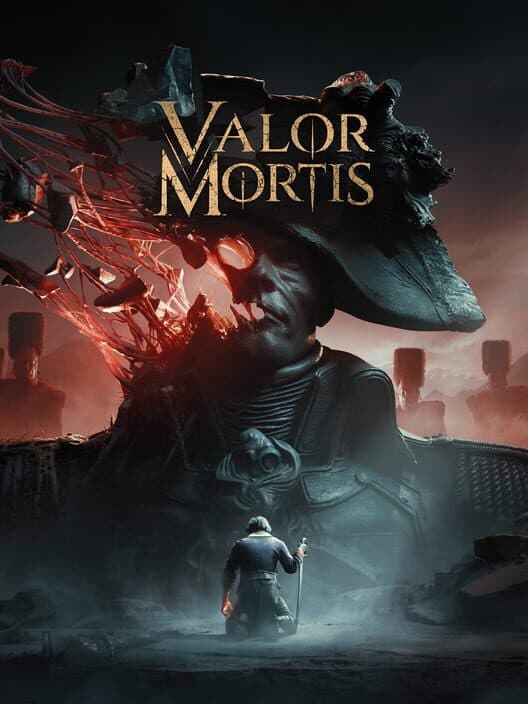
Valor Mortis cover art

Valor Mortis

One More Level • 2026 • Xbox Series X|S, PC (Microsoft Windows), PlayStation 5

Satisfying to completeRewarding skill growthAdrenaline rush

Is Valor Mortis Worth It?

Valor Mortis looks worth watching, but not blindly preordering, if you love hard action games and want something fresher than another third-person dark fantasy. Its strongest hook is clear: first-person duels built around parries, guns, and supernatural tools in a grim Napoleonic plague world. When that loop clicks, it should deliver the kind of session where one clean boss read or newly opened shortcut feels incredibly earned. The catch is that this game seems to ask for real concentration. It is violent, tense, and likely tough from the start, with checkpoint runbacks and little room for distracted play. The biggest reason to hesitate is technical polish. Demo feedback keeps pointing to performance and control issues, and those matter more here than in a slower game because timing is everything. If launch reviews say the rough edges are fixed, this looks like a day-one buy for players who already enjoy demanding combat and dark atmosphere. If you like the idea but not the risk, Game Pass or a sale makes more sense. Skip it if you want a relaxed, flexible weeknight game.

What is Valor Mortis like?

Opinions of Valor Mortis

What Players Love

  • Players Love

    First-person parry combat feels fresh when everything clicks

    Players love the close-up duels once parries and punish windows start flowing. Even skeptical previews often point to the left-hand and right-hand combat mix as the standout idea.

  • Players Love

    War-horror setting gives the game real personality from the start

    The plague-soaked Napoleonic world keeps grabbing attention. Its grim lighting, enemy design, and story hook help it stand apart from more generic dark fantasy releases.

Common Concerns

  • Common Concern

    Performance issues are the biggest risk right now

    Stutter, crashes, and other demo issues come up again and again. In a game built around timing and clean reads, technical problems can damage the entire experience.

Divisive Aspects

  • Divisive

    First-person combat readability splits players in the demo

    Some players find the first-person view exciting and immersive, while others say it hides spacing, flanks, and attack tells or makes movement feel stiffer than expected.

  • Divisive

    Familiar checkpoint structure is welcome or already worn out

    For some, lantern checkpoints and boss-learning runs are exactly the appeal. For others, those same familiar habits feel too derivative to win them over on concept alone.

What does Valor Mortis demand from you?

Time

MODERATE

Time

This is a medium-length solo campaign that works best in 60 to 90 minute blocks, with decent checkpoints but enough state to punish long breaks.

MODERATE

For most people, this looks like a medium-size solo campaign rather than a forever hobby. A solid first playthrough with some optional exploration should probably land somewhere around 20 to 30 hours, which makes it manageable over a few weeks of regular play. The structure partly respects shorter nights. Lantern checkpoints, opened shortcuts, and boss walls create natural places to stop, and you do not need a group or schedule to make progress. The catch is that it still plays best in focused blocks. Forty-five minutes may be enough for a quick push, but 60 to 90 minutes is a better fit if you want time to explore, die, retry, spend resources, and stop at a clean checkpoint. It is also not especially friendly to long breaks. After a week away, you may need a few minutes to remember routes, mechanics, and what your build was trying to do. So the time ask is reasonable on paper, but the game wants consistency more than pure hours. It fits a routine better than a chaotic schedule.

Tips
  • Plan sessions around one lantern-to-lantern push or one boss-learning block, not around clearing an entire area in one sitting.
  • Take a screenshot of your area, loadout, and current goal before quitting if you know a longer break is coming.
  • Because it is fully solo, you can step away for days, but expect a short warm-up run to rebuild timing and route memory.

Focus

HIGH

Focus

You need your eyes and hands on it almost the whole time, reading tight first-person melee tells while tracking flanks, shortcuts, and when to commit.

HIGH

Valor Mortis asks for narrow, active attention instead of broad spreadsheet thinking. Most of your brain space goes into reading enemy windups at close range, judging distance in first person, and deciding whether this is a parry, dodge, block, gunshot, or power moment. That sounds simple on paper, but the camera angle makes it more demanding because you do not have easy side awareness. Exploration adds its own layer too. You are not just walking forward. You are checking for shortcuts, hidden routes, and movement options while remembering where lanterns and locked paths sit in the larger space. The upside is that good sessions should feel sharp and present. You are rarely bored, and improvement is easy to feel because cleaner reads turn directly into cleaner fights. The tradeoff is low multitask value. This is not a podcast game, a half-watching-TV game, or a game you comfortably play while handling frequent interruptions. It rewards full attention with satisfying control, but it really wants your eyes, hands, and memory in the room.

Tips
  • Use lanterns as reset points and end sessions there so your next return starts with a clear location, route, and upgrade plan.
  • If the first-person view feels crowded, pull enemies one at a time instead of rushing groups and losing track of side angles.
  • Treat firearms and powers as space-making tools during pressure, not just damage, so you have time to read the next attack.

Challenge

HIGH

Challenge

It is learnable, but not breezy: expect a rough early stretch while you build parry timing, enemy reads, and comfort mixing blades, guns, and powers.

HIGH

Valor Mortis does not look impossible to learn, but it does look stubborn. The early hurdle is not memorizing huge systems. It is getting your body comfortable with first-person melee timing, enemy spacing, and the rhythm of swapping between blade, firearm, and supernatural tools without panicking. That kind of learning usually feels rough before it feels fun. Expect a few sessions where you understand what the game wants from you, yet still cannot do it consistently. The good news is that improvement should be visible. This is the kind of game where one enemy type finally makes sense, one boss phase stops feeling random, or one route becomes much cleaner because you learned it instead of brute-forcing it. It also seems more approachable than the most exacting pure-parry games because multiple tools may let you solve problems in slightly different ways. Still, mistakes look costly, and the checkpoint loop means you will repeat sections while learning. If you enjoy steady skill growth, that repetition should feel rewarding. If you dislike practicing under pressure, it may feel like friction rather than fun.

Tips
  • Use early enemies as practice dummies for parry and dodge timing before chasing stylish combos or aggressive boss damage.
  • Pick one main weapon setup for your first run and learn its reach and recovery before constantly swapping styles.
  • When a boss walls you, focus on surviving a phase cleanly first; damage usually follows once the read is stable.

Intensity

HIGH

Intensity

Most sessions feel tense and punishing rather than relaxing, with boss retries, grisly horror, and the close-up view keeping pressure high even between major fights.

HIGH

This looks more tense than outright terrifying. Most of the pressure seems to come from close-range combat, checkpoint stakes, and the fear of wasting a good run, not from jump scares every few minutes. In practice, that means sessions should feel keyed up. Boss attempts will likely raise your heart rate, and even regular areas can stay stressful because the first-person view makes spacing and flanks less forgiving. The grim plague-and-war atmosphere adds heaviness on top of that. Gore, monstrous enemy design, and a bleak tone make the whole experience feel harsher than a colorful power fantasy. The good version of that pressure is real satisfaction: when you finally read an attack chain correctly or unlock a shortcut, the relief lands hard. The bad version is that rough performance or unclear telegraphs could make the stress feel unfair instead of earned. If the final build is polished, this should deliver intense, memorable sessions. If not, the same design could become more draining than exciting, especially after a long workday.

Tips
  • Play when you want active tension, not passive relaxation; tired late-night sessions are more likely to turn normal mistakes into frustrating runbacks.
  • Spend currency and upgrade before pushing into unknown areas so a bad death costs less emotionally and materially.
  • If performance dips bother you, wait for launch patches or platform-specific reviews before buying, because timing-based combat amplifies technical flaws.

Frequently Asked Questions

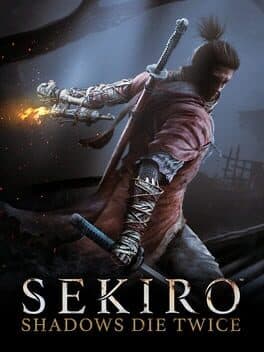
It looks hard. Not impossible-to-learn hard, but clearly above mainstream action games and probably in the same general lane as other soulslikes. The main reason is not giant complexity. It is execution. You need to read attack tells in first person, judge distance at close range, and choose the right answer fast enough to make parries, dodges, and punishes stick. That camera angle may make basic spacing tougher than in a third-person game, especially when enemies pressure you from the side. Learning it should take several sessions, not several dozen hours. Most players will likely understand the core loop fairly quickly, then spend the next 8 to 15 hours getting consistent with it. Mastery will take much longer, especially on bosses. Based on current material, it seems a little more flexible than Sekiro because weapons, guns, and powers may give you alternate answers, but it still looks harsher than something like God of War on normal. Accessibility options are not fully confirmed yet, so it is hard to judge how much the final build will soften that edge. If you enjoy learning through repetition, this should feel rewarding. If you hate retry-heavy combat, it may feel punishing.

Expect roughly 20 to 30 hours for a normal first run, with the safest early range still sitting around 16 to 35+ hours until the full release is out. A straight credits-focused playthrough should land near the lower half of that range, while players who chase extra secrets, side paths, and more complete exploration will likely push well past 30 hours. This does not look like a tiny weekend game, but it also does not look like a months-long lifestyle commitment. The bigger time question is session shape. Because progress appears tied to lantern checkpoints, shortcuts, and boss attempts, the game works best in 60 to 90 minute blocks. You can probably make smaller bursts work, especially if you stop at a lantern, but short sessions may end right when you are finally warmed up. There may also be some replay value from different weapon and power setups, cleaner boss clears, and speedrun interest, though current material does not suggest a huge endless endgame. One satisfying campaign run should be enough to feel like you got the full experience.

Yes, Valor Mortis looks stressful in the good, focused way if you enjoy hard action games. Most of that pressure seems to come from close-up fights, boss retries, and the fear of losing momentum after a death, rather than cheap horror scares. The mood also matters. Plague horror, gore, and a bleak war setting make the whole thing feel heavier than a stylish power fantasy. That said, there is a difference between good stress and bad stress here. Good stress is finally reading a boss pattern, surviving with a sliver of health, and feeling your timing improve. Bad stress is unclear telegraphs, camera confusion, or performance drops in a game that depends on precision. Because current sentiment is still demo-based, that polish question is important. If the launch build is stable, the tension should feel demanding but satisfying. If not, the same pressure could feel draining. This seems like a strong pick when you want an active, locked-in session and do not mind getting your heart rate up. It is a poor fit for winding down before bed, multitasking, or playing while tired and easily frustrated.

Yes, it is fully solo, and solo play is clearly the intended way to experience it. You will not need friends, voice chat, matchmaking, or any kind of group schedule to see the whole campaign. That makes it easier to fit into real life than co-op or competitive games. The bigger question is whether it works casually. The answer is yes, but with real caveats. Because it uses lantern checkpoints and seems to encourage focused pushes through hostile areas, it is not as flexible as a save-anywhere story game. You can probably pause and step away for short interruptions, but the actual play loop still wants your full attention when combat starts. It also looks a little sticky after long breaks. If you leave for a week, you may need time to remember routes, controls, enemy patterns, and what your build was doing. So this is casual in the sense that it is solo and finite, not casual in the sense of relaxing or easy to half-pay attention to. It fits regular 60 to 90 minute sessions far better than chaotic stop-and-start play.

No. Everything official points to a straightforward premium single-player release, not a game built around selling power. There is no sign of paid stat boosts, premium weapons, battle passes, timed currencies, or anything else that would let you buy your way past the hard parts. Current store pages frame it as a one-time purchase, and its day-one Game Pass availability changes how you access it, not how progression works once you are in. That said, this answer is still slightly provisional because the full release is not out yet. Post-launch cosmetics or bonus editions could always appear later, but nothing public suggests monetized gameplay advantages. More importantly, the core appeal here is learning fights, improving timing, and getting through tough areas on your own skill. Selling power would work against the whole point of the experience. Unless the publisher radically changes course after launch, this should be treated as a standard buy-once single-player game with no pay-to-win concerns. If anything, the real buying question is not monetization. It is whether launch performance and controls are polished enough to trust.

You Might Also Like

Games with a similar rhythm and feel, even if they look different

Explore more→
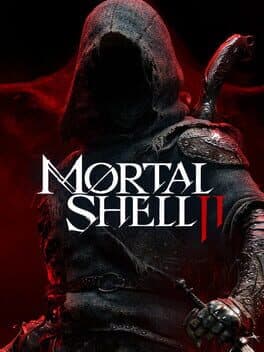
Mortal Shell II game cover art

Mortal Shell II

Time
MODERATE
Focus
HIGH
Challenge
MODERATE
Intensity
HIGH
The Relic: First Guardian game cover art
Rewarding skill growth

The Relic: First Guardian

Time
MODERATE
Focus
HIGH
Challenge
MODERATE
Intensity
HIGH
Wo Long 2: Wings of Ember game cover art
Satisfying to completeRewarding skill growth

Wo Long 2: Wings of Ember

Time
MODERATE
Focus
HIGH
Challenge
MODERATE
Intensity
HIGH
Lords of the Fallen II game cover art

Lords of the Fallen II

Time
MODERATE
Focus
HIGH
Challenge
MODERATE
Intensity
HIGH
The First Berserker: Khazan game cover art
Satisfying to completeRewarding skill growth

The First Berserker: Khazan

Time
MODERATE
Focus
HIGH
Challenge
HIGH
Intensity
VERY HIGH
Phantom Blade 0 game cover art
Satisfying to complete

Phantom Blade 0

Time
MODERATE
Focus
HIGH
Challenge
MODERATE
Intensity
HIGH
← Back to Home