NetEase Games • 2024 • Android, PC (Microsoft Windows), iOS, PlayStation 5
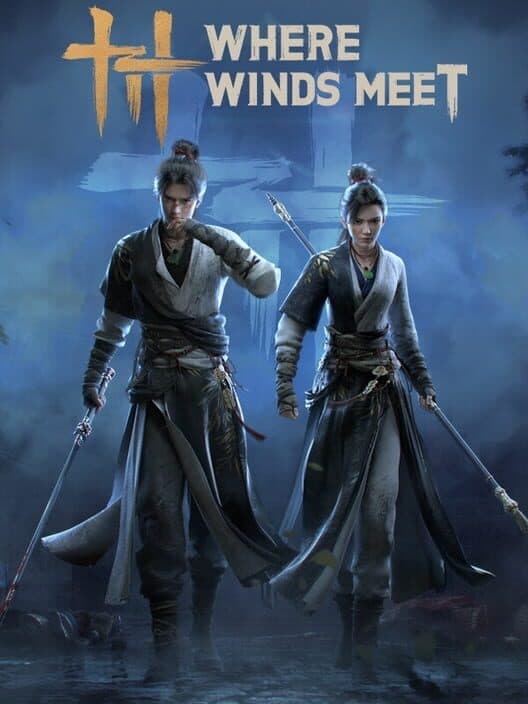
Where Winds Meet
NetEase Games • 2024 • Android, PC (Microsoft Windows), iOS, PlayStation 5
Is Where Winds Meet Worth It?
Yes, Where Winds Meet is worth trying if the idea of roaming medieval China as a wandering swordsman grabs you. Its biggest strength is easy to see: the setting feels fresh, the martial-arts combat has style, and even ordinary sessions can feel rewarding because you usually end with a new technique, a finished quest chain, or a new part of the map uncovered. If you like open-world adventures that let you wander a little while slowly shaping your own fighting style, there is real appeal here. The catch is polish and structure. This is not the cleanest, most streamlined action adventure around. Performance issues, busy menus, and online-only assumptions can make it feel rougher than its best moments deserve. It also asks for more attention than a pure comfort game once fights start, and it works better in planned hour-long chunks than in constant pick-up-and-drop play. Because it is free-to-play, the main cost is your time. Download it now if the wuxia fantasy sounds exciting. Wait or skip if you need flawless tech, true offline play, or a tightly paced story with little filler.
What is Where Winds Meet like?
Opinions of Where Winds Meet
What Players Love
- Players Love
The wuxia world feels fresh and beautifully realized
Players consistently praise the setting, music, and historical-fantasy atmosphere. It feels distinct from standard Western fantasy and gives the journey real identity.
- Players Love
Swordplay and movement sell the wandering hero fantasy
Many players highlight the mix of swordplay, martial techniques, and stylish traversal. Moving through the world often feels nearly as good as fighting in it.
Common Concerns
- Common Concern
Performance issues can interrupt an otherwise strong adventure
Optimization issues, bugs, and uneven performance come up often enough to matter. Rough patches can break immersion, especially in big fights or busy open areas.
- Common Concern
Map clutter and side systems can feel overstuffed
Some players feel the map has too many familiar tasks, menus, and side systems competing for attention. The strongest setting and combat moments can get diluted by clutter.
Divisive Aspects
- Divisive
The online structure clashes with solo adventure expectations
Some enjoy the connected world and co-op options, while others wanted a cleaner solo adventure. Your tolerance for live-service structure may shape your enjoyment.
What does Where Winds Meet demand from you?
Time
MODERATETime
It fits hour-long evenings reasonably well, but online-only play, autosaves, and open-world detours make it less flexible than a true offline adventure.
Focus
MODERATEFocus
Calm roaming gives way to timing-heavy fights, so you can breathe between encounters but still need real attention whenever combat starts.
Challenge
MODERATEChallenge
Expect several evenings of learning styles, skills, and side systems, then a much smoother groove once one build and rhythm click.
Intensity
MODERATEIntensity
More exciting than punishing, it brings short bursts of combat pressure and boss tension without turning every session into a stressful white-knuckle grind.
Frequently Asked Questions
You Might Also Like
Games with a similar rhythm and feel, even if they look different