2K • 2025 • PC (Microsoft Windows), PlayStation 5, Xbox Series X|S, Nintendo Switch 2
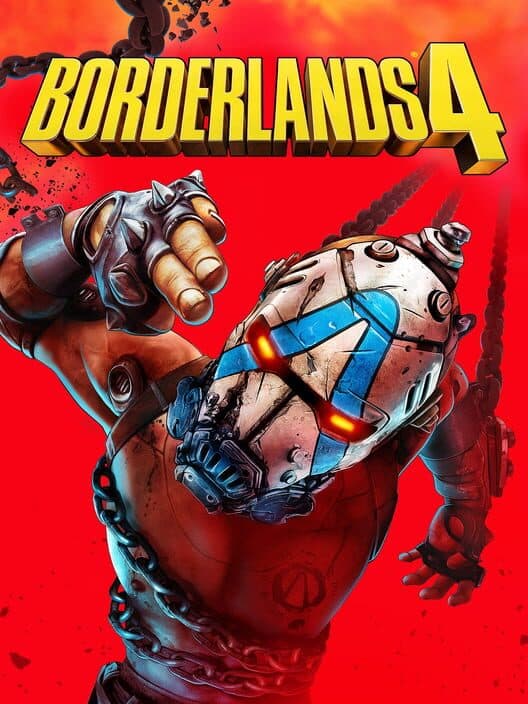
Yes, if you want excellent gun feel, steady build growth, and a campaign that still works in weeknight chunks, Borderlands 4 is worth it. Its best quality is simple: shooting things feels great, and the game keeps rewarding you with new guns, better synergies, and small hits of progress almost every session. It also handles co-op better than many loot-heavy games, so playing with friends is smooth instead of messy. The catch is polish. Performance complaints and rough menus have been a major part of player conversation, and that matters in a game where you are constantly looting and sorting gear. Buy at full price if you already love Borderlands, have a co-op group, or care most about the combat loop. Wait for a sale if you are on PC, sensitive to technical hiccups, or unsure about how much you enjoy loot management. Skip it if you mainly want a story-first experience, clean minimalist UI, or a fully polished package above all else.

2K • 2025 • PC (Microsoft Windows), PlayStation 5, Xbox Series X|S, Nintendo Switch 2
Yes, if you want excellent gun feel, steady build growth, and a campaign that still works in weeknight chunks, Borderlands 4 is worth it. Its best quality is simple: shooting things feels great, and the game keeps rewarding you with new guns, better synergies, and small hits of progress almost every session. It also handles co-op better than many loot-heavy games, so playing with friends is smooth instead of messy. The catch is polish. Performance complaints and rough menus have been a major part of player conversation, and that matters in a game where you are constantly looting and sorting gear. Buy at full price if you already love Borderlands, have a co-op group, or care most about the combat loop. Wait for a sale if you are on PC, sensitive to technical hiccups, or unsure about how much you enjoy loot management. Skip it if you mainly want a story-first experience, clean minimalist UI, or a fully polished package above all else.
Players consistently praise the shooting, sliding, grappling, and overall combat flow. Even mixed reviews often admit the moment-to-moment action feels excellent.
Stutter, crashes, low frame rates, and shader issues dominated launch discussion, especially on PC. For many players, technical trouble overshadowed the game's real strengths.
Some players enjoy the broader map and post-credits loop, while others miss tighter pacing and find the long-term grind too thin. It is a real split, not a clear consensus.
Distinct Vault Hunters, deeper skill trees, level scaling, and instanced loot help groups play together smoothly. Many players enjoy changing builds without creating party friction.
Common complaints focus on clunky map flow, slow inventory sorting, and too much friction when comparing loot. That matters because pickups and build tweaks happen constantly.
Players consistently praise the shooting, sliding, grappling, and overall combat flow. Even mixed reviews often admit the moment-to-moment action feels excellent.
Distinct Vault Hunters, deeper skill trees, level scaling, and instanced loot help groups play together smoothly. Many players enjoy changing builds without creating party friction.
Stutter, crashes, low frame rates, and shader issues dominated launch discussion, especially on PC. For many players, technical trouble overshadowed the game's real strengths.
Common complaints focus on clunky map flow, slow inventory sorting, and too much friction when comparing loot. That matters because pickups and build tweaks happen constantly.
Some players enjoy the broader map and post-credits loop, while others miss tighter pacing and find the long-term grind too thin. It is a real split, not a clear consensus.
A first run fits into a few weeks of evening play, and missions give decent stopping points even if the world keeps tempting you onward.
For most people, Borderlands 4 asks for a medium-sized commitment, not a lifestyle takeover. A first character run with some side content usually lands around 25 to 35 hours, and that is enough to see the main story, understand the world structure, and feel the build-and-loot hook properly. The nice part is that the game breaks into manageable chunks. One mission, one side objective, or one boss run can make a satisfying session, and autosaves plus quit-saving make solo play pretty workable on a busy schedule. The main time trap is not progress loss. It is temptation. There is almost always another nearby point of interest, another weapon to compare, or another skill point to spend. Coming back after a week is not too bad because the map tells you where to go, though you may need a few minutes to remember your build and inventory rules. Co-op adds fun, but it can also stretch sessions longer than planned. The trade here is fair: it asks for consistent evenings, and in return it gives steady forward progress almost every time you boot it up.
Most sessions bounce between loud firefights and busy gear sorting, so it rewards full attention but not constant chess-level planning.
Borderlands 4 asks for active attention almost the whole time you're outside menus. In fights, enemies push from several angles, the screen fills with damage numbers and effects, and you're juggling aim, movement, cooldowns, shields, and second-wind saves. Between fights, the load shifts instead of disappearing. You're checking whether a new gun is actually better, deciding if an element fits the next area, and feeding points into a build that still feels fun an hour later. The good news is that it rarely becomes brain-melting. Objectives are clear, quest tracking is strong, and most choices are short practical ones, not long planning sessions. The trade is simple: it asks you to stay tuned in, and in return it delivers a very busy, rewarding rhythm where even a 90-minute session feels full. If you want a game to half-watch while doing something else, this will feel too noisy. If you like always having one more useful thing to shoot, compare, or tweak, it lands very well.
Easy to start, deeper to optimize, with plenty of room to learn weapon brands, elements, skills, and loot habits without feeling locked out early.
Borderlands 4 is friendly at the front door and deeper than it first looks. The basic loop is easy to grasp: shoot, loot, equip stronger gear, and spend points to shape your character. Most players will feel functional quickly. The learning comes from the layers underneath that simple loop. Different weapon makers have different personalities, elements matter more than raw numbers in many fights, and your skills start to change what kinds of guns or shields feel best. The game asks for curiosity more than perfection, and that's why the learning curve works for a lot of people. You can muddle through early, then gradually become sharper as you notice better synergies and cleaner inventory habits. Mistakes are usually cheap, which makes experimentation feel safe. In exchange for a few sessions of build learning and gear sorting, the game delivers that satisfying moment where your character suddenly clicks and combat starts feeling much smoother. It is not hard to begin, but it definitely rewards players who enjoy tinkering and improving over time.
It feels energetic more than punishing, with bright chaos and regular pressure but not the white-knuckle dread of horror or harsher action games.
This is lively pressure, not crushing stress. Most of the heat comes from crowded firefights, miniboss bursts, and those moments when your shields crack and you need a quick kill to save yourself. That can absolutely get your pulse up, especially when the arena is full of explosions and loot is flying everywhere. But the game also works hard to keep things fun instead of punishing. Failure is usually a money tax and a restart, not a brutal setback, and the tone stays colorful and irreverent even when the violence is high. The exchange here is straightforward: it asks you to handle sensory chaos and regular action pressure, and in return it gives you a strong sense of momentum, comeback moments, and flashy power growth. If you enjoy shooters but dislike the emotional grind of survival horror or Souls-style punishment, this is much easier to live with. If you get drained by visual noise or frequent incoming fire, solo play on normal is the best way to keep it enjoyable.
Games with a similar rhythm and feel, even if they look different