Capcom • 2025 • Xbox Series X|S, PC (Microsoft Windows), PlayStation 5
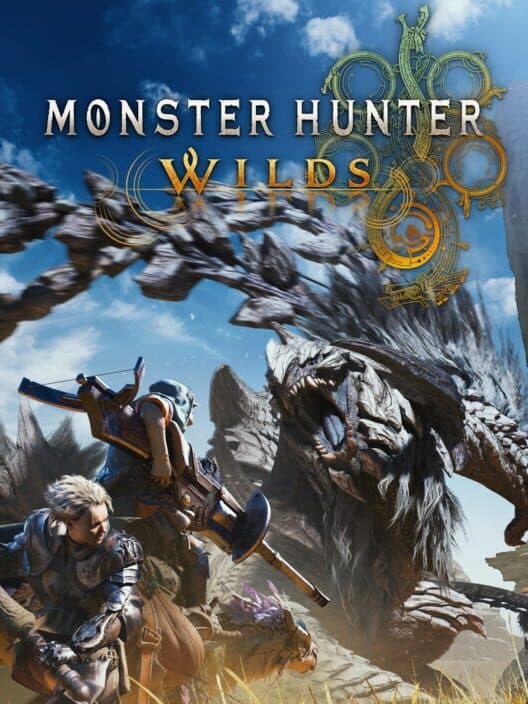
Co-op monster-hunting in evolving biomes
Story plus extras in 30–45 hours
Easy to start, deep weapon mastery
Monster Hunter Wilds is worth full price if you enjoy deliberate action combat, steady character growth, and the idea of hunting huge creatures in a living world. The game asks you to learn one or two weapons, pay attention during fights, and commit to a multi-week arc of 30–40 hours to feel “done enough.” In return, it delivers a powerful loop of improvement: your skill grows, your gear improves, and monsters that once flattened you gradually fall in clean, satisfying hunts. It’s especially strong if you have one or two friends willing to jump in for co-op, but solo play is absolutely satisfying. You should consider waiting for a sale if you’re mainly here for story, dislike repeating fights for better gear, or mostly game on a lower-end PC where performance issues may annoy you. If you’re pressed for time, enjoy learning systems, and like a clear sense of progress from session to session, Wilds offers a lot of value for the money.

Capcom • 2025 • Xbox Series X|S, PC (Microsoft Windows), PlayStation 5
Co-op monster-hunting in evolving biomes
Story plus extras in 30–45 hours
Easy to start, deep weapon mastery
Monster Hunter Wilds is worth full price if you enjoy deliberate action combat, steady character growth, and the idea of hunting huge creatures in a living world. The game asks you to learn one or two weapons, pay attention during fights, and commit to a multi-week arc of 30–40 hours to feel “done enough.” In return, it delivers a powerful loop of improvement: your skill grows, your gear improves, and monsters that once flattened you gradually fall in clean, satisfying hunts. It’s especially strong if you have one or two friends willing to jump in for co-op, but solo play is absolutely satisfying. You should consider waiting for a sale if you’re mainly here for story, dislike repeating fights for better gear, or mostly game on a lower-end PC where performance issues may annoy you. If you’re pressed for time, enjoy learning systems, and like a clear sense of progress from session to session, Wilds offers a lot of value for the money.
When you have a free 90-minute evening and want one or two chunky fights plus clear gear upgrades, without committing to raid-style schedules or voice-chat every time.
On a weekend afternoon with a friend who enjoys action games, you can hop into co-op hunts, trade tips on builds, and celebrate big monster takedowns together.
When you’ve been away from games for a week or two, it’s easy to jump back in, run a warm-up hunt, and quickly remember your weapon flow.
Built as a multi-week journey of short, focused hunts, it fits well into 60–90 minute sessions without demanding fixed schedules or permanent groups.
Wilds respects that adult players have busy lives, but it still expects a bit of a relationship. To see the full story arc and dabble in tempered hunts, you’re looking at roughly 30–40 hours, usually spread across many evenings. Luckily, the structure is friendly: each hunt or mission is a contained chunk of 10–25 minutes with clear wrap-ups, and you can save at camp whenever you’re not mid-quest. That makes it easy to play one or two hunts after work and log off at a natural stopping point. The game runs perfectly well solo, so you’re not waiting on friends’ schedules, yet co-op is there when you want a social night. Coming back after a break is manageable thanks to clear logs, though your fingers might need a warm-up. Overall, it asks for regular, modest sessions rather than marathon weekends or raid-style coordination.
Hunts demand solid attention and pattern reading, but camp prep and traversal give mental breaks so you can play after work without burning out.
Monster Hunter Wilds wants you present and engaged whenever a hunt is active. You’re watching monster cues, reading windups, tracking positioning, and juggling your own stamina, sharpness, and healing windows. That’s a lot to keep in mind, and you can’t really zone out or watch a show during fights. Between quests, though, the game eases up. Camp time is mostly about a few quick choices—eat, restock, maybe swap a decoration—rather than long planning sessions, and the Seikret mount can autopilot to many objectives so traversal rarely taxes your brain. Overall, the game fits best when you can give it real attention in chunks: you won’t be mentally fried, but you shouldn’t be half-asleep either. If your evenings leave you with some energy to spare but not enough for complex strategy titles, Wilds hits a comfortable middle ground.
Getting comfortable takes a few evenings, but really learning a weapon makes hunts dramatically faster, smoother, and more satisfying over the long term.
Wilds is built around the idea that you grow alongside your hunter. At first, controls may feel a bit heavy and your weapon moveset overwhelming, especially if you’re new to the series. With better tutorials and friendlier early monsters, though, basic competence comes within your first handful of sessions. The real payoff arrives later. As muscle memory sets in and you start anticipating monster behavior, once-chaotic fights transform into controlled dances. You’ll notice kill times dropping, mistakes shrinking, and your confidence rising enough to tackle tempereds or harder assignments. Importantly, you don’t need to chase frame-perfect combos or speedrun techniques to feel this growth. A busy adult can reach a very rewarding skill level just by sticking with one weapon, practicing positioning, and gradually layering in new moves. The game asks for some initial persistence and curiosity, and in return offers a strong sense of earned improvement rather than just stat inflation.
Most fights feel exciting rather than brutal, with occasional white-knuckle showdowns that spike your heart rate but rarely leave you emotionally exhausted afterwards.
For most of the campaign, Wilds sits in a sweet spot: enough danger to stay thrilling, but not so punishing that you dread pressing continue. Monsters hit hard if you ignore their patterns, yet you usually have clear tells and generous healing tools, so failures feel more like “I got greedy” than unfair ambushes. Emotionally, the loop leans toward empowered excitement. You’re stalking towering beasts in dramatic storms, landing big combos, and toppling them with a satisfying crash. High Rank tempered monsters and elder dragons can raise the stakes, especially if you go in underprepared, but those encounters are optional for casual players. If you’re avoiding horror-style stress or Souls-level punishment, Wilds is a good compromise: you’ll get adrenaline spikes and the rush of last-second survivals without the lingering frustration that makes you want to uninstall.
Games with a similar rhythm and feel, even if they look different