Powered by IGDB•Privacy•Terms

© 2026 Slated.gg

Slated.gg
Popular GamesAbout

The Elder Scrolls Online

Bethesda Softworks • 2014 • Google Stadia, Xbox Series X|S, PlayStation 4, PC (Microsoft Windows), PlayStation 5, Mac, Xbox One
Approachable but deepRelaxing & low-pressureClear progression

Is The Elder Scrolls Online Worth It?

The Elder Scrolls Online is worth it if you want a long-term RPG home in Tamriel rather than a single, tightly scripted story. For the base-game price you get dozens of hours of voiced quests, flexible character builds, and a world you can keep dipping into for months. The game asks for a steady time relationship: it shines when you log in regularly, learn one main character, and let its routines—quests, dungeons, crafting—become a comfortable hobby. In return, it delivers strong progression, a relaxed but engaging combat system, and plenty of Elder Scrolls flavor. The always-online requirement, optional subscription, and microtransactions add some friction, especially if you dislike cosmetic shops or convenience boosts. If you only have time for short, one-and-done single-player experiences, or you strongly dislike other people being around in your game, you may want to skip it. For everyone else, it’s a solid buy, especially on sale, with the subscription as an optional extra later.

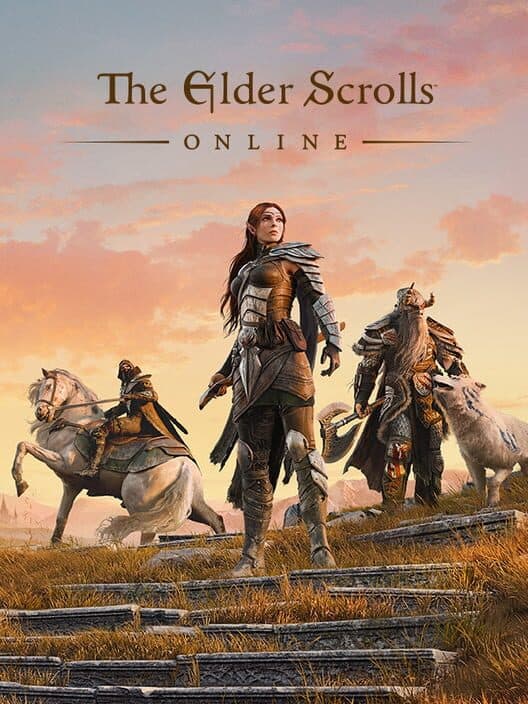
The Elder Scrolls Online cover art

The Elder Scrolls Online

Bethesda Softworks • 2014 • Google Stadia, Xbox Series X|S, PlayStation 4, PC (Microsoft Windows), PlayStation 5, Mac, Xbox One

Approachable but deepRelaxing & low-pressureClear progression

Is The Elder Scrolls Online Worth It?

The Elder Scrolls Online is worth it if you want a long-term RPG home in Tamriel rather than a single, tightly scripted story. For the base-game price you get dozens of hours of voiced quests, flexible character builds, and a world you can keep dipping into for months. The game asks for a steady time relationship: it shines when you log in regularly, learn one main character, and let its routines—quests, dungeons, crafting—become a comfortable hobby. In return, it delivers strong progression, a relaxed but engaging combat system, and plenty of Elder Scrolls flavor. The always-online requirement, optional subscription, and microtransactions add some friction, especially if you dislike cosmetic shops or convenience boosts. If you only have time for short, one-and-done single-player experiences, or you strongly dislike other people being around in your game, you may want to skip it. For everyone else, it’s a solid buy, especially on sale, with the subscription as an optional extra later.

When is The Elder Scrolls Online at its best?

When you have about an hour, want something engaging but not punishing, and feel like ticking off a few quests while slowly strengthening a favorite character.

When you’re in the mood for light social time, running a normal dungeon with friends or a guild while chatting and collecting new gear pieces along the way.

When you want a long-term game to return to several evenings a week, replacing endless scrolling with a familiar world and satisfying sense of ongoing progress.

What is The Elder Scrolls Online like?

Commitment

HIGH

Commitment

Best as a months-long hobby you visit for 60–90 minute sessions, slowly working through stories, dungeons, and character growth.

HIGH

ESO is designed as a long-term relationship rather than a quick fling. To see the main story arc, one alliance’s zones, and a healthy sample of dungeons, you’re looking at roughly 60–80 hours on a single character. For someone playing 8–10 hours a week, that’s several months of relaxed progress. The good news is that the game slices this into flexible 45–90 minute chunks: a quest chain here, a dungeon there, some crafting and inventory cleanup when you’re winding down. You can log out almost anywhere and return to find your character exactly where you left off. The tradeoff is complexity and the always-online structure. Returning after a few weeks away means re-learning your build and quest log, and group content works best when you can finish a run without interruptions. ESO fits best as a “main hobby game” for a season of your life, not something you burn through and shelve in a weekend.

Tips

  • Plan sessions around finishing one story arc or one dungeon so you have a clear ending point before real-life responsibilities call.
  • If you expect interruptions, stick to solo questing and avoid starting new group dungeons or long PvP battles.
  • When returning after a break, spend your first session just re-reading quests, rearranging skills, and doing easy fights to rebuild comfort.

Focus

MODERATE

Focus

Wants moderate, steady attention with some real-time reactions; relaxed enough for evenings but too active to truly multitask with TV or heavy phone use.

MODERATE

ESO usually asks for a moderate amount of attention. During solo questing you can relax a bit, reading dialogue at your own pace and handling easy fights without needing razor-sharp reflexes. The moment group dungeons or big world events start, though, you’ll need to watch the screen for red ground effects, heavy attacks, and ally health bars. It’s nowhere near as demanding as a competitive shooter, but you can’t reliably play well while deeply distracted. There’s also a gentle mental load from juggling quests, inventory, skills, and long-term goals between fights. For a tired adult after work, this puts ESO in a nice middle lane: enough to keep your brain engaged, not so intense that it fries you. On low-energy nights you can stick to town chores and story quests; on sharper nights you can lean into dungeons and trickier encounters that reward a bit more focus.

Tips

  • On low-energy nights, skip random dungeons and just clear story quests or do simple crafting and inventory cleanup around town.
  • Put dodge, block, and your main heal on easy buttons so reacting to telegraphed attacks feels smooth instead of stressful.
  • Spend a minute at login choosing one or two quests to focus on so you’re not constantly checking the journal mid-session.

Mastery

MODERATE

Mastery

Easy to feel comfortable within a few evenings, with clear rewards if you slowly learn better builds and combat habits.

MODERATE

ESO doesn’t take too long to feel playable, but it has real depth if you decide to lean in. Within a few evenings you’ll understand your basic abilities, how to follow quest markers, and what common dungeon mechanics look like. From there, mastering things like rotations, animation canceling, buff uptime, and smart gear choices can dramatically change how strong and smooth your character feels. The nice part for time-limited adults is that the game rarely forces this depth on you. Normal story content is perfectly doable with a rough build and imperfect execution. True optimization mainly matters when you push into tougher dungeons or organized groups. That means the game rewards curiosity and practice without punishing you for staying casual. You can happily park on a “good enough” plateau for months, or treat it as a slow-burn learning project, picking up new tricks from guides and friends as interest and time allow.

Tips

  • Pick one simple build guide for your class and follow it loosely until you understand why each skill is on your bar.
  • Practice your rotation on training dummies or easy world mobs for five minutes to build muscle memory before jumping into group dungeons.
  • Treat Champion Points and gear upgrades as long-term projects instead of urgent chores so improvement feels satisfying, not like homework.

Intensity

LOW

Intensity

Generally low-pressure and forgiving, with mild excitement spikes in dungeons but far from the constant adrenaline of shooters or brutal action games.

LOW

ESO sits on the gentler side when it comes to emotional intensity. Solo questing is forgiving: most enemies go down quickly, death barely hurts your progress, and you control the pace of conversations and exploration. Normal dungeons add some excitement as you dodge boss mechanics, revive teammates, and react to messy pulls, but wipes simply mean a quick respawn and another try. The biggest source of pressure is often social rather than mechanical—nobody wants to be the one standing in fire while three strangers watch. Compared to cinematic action games packed with explosive set pieces, ESO delivers brief spikes of adrenaline inside a mostly laid-back routine. High-intensity content like veteran trials or sweaty PvP exists, but it’s easy to avoid. For a busy adult, that means you can reliably use ESO as an evening wind-down game, choosing lighter story content on rough days and dabbling in group challenges when you feel up for it.

Tips

  • When you’re drained, avoid group finder and just wander zones doing side quests or delves at your own pace.
  • Turn off or lower damage numbers and combat text if the screen feels too busy during fights.
  • If dungeon anxiety hits, start with normal dungeons using a guild group or friends, where mistakes are easier to laugh off.

Frequently Asked Questions

You Might Also Like

Games with a similar rhythm and feel, even if they look different
Fallout 76 game cover art

Fallout 76

Commitment
HIGH
Focus
MODERATE
Mastery
MODERATE
Intensity
LOW
Where Winds Meet game cover art
Approachable but deepStory-driven

Where Winds Meet

Commitment
HIGH
Focus
HIGH
Mastery
MODERATE
Intensity
MODERATE
Diablo IV game cover art
Clear progression

Diablo IV

Commitment
MODERATE
Focus
HIGH
Mastery
MODERATE
Intensity
MODERATE
Revenge of the Savage Planet game cover art
Clear progression

Revenge of the Savage Planet

Commitment
MODERATE
Focus
MODERATE
Mastery
MODERATE
Intensity
LOW
Monster Hunter Wilds game cover art
Approachable but deepClear progression

Monster Hunter Wilds

Commitment
MODERATE
Focus
HIGH
Mastery
MODERATE
Intensity
MODERATE
Tom Clancy's The Division 2 game cover art
Clear progression

Tom Clancy's The Division 2

Commitment
MODERATE
Focus
HIGH
Mastery
MODERATE
Intensity
MODERATE
← Back to Home