Bethesda Softworks • 2018 • Xbox Series X|S, PlayStation 4, PC (Microsoft Windows), PlayStation 5, Xbox One
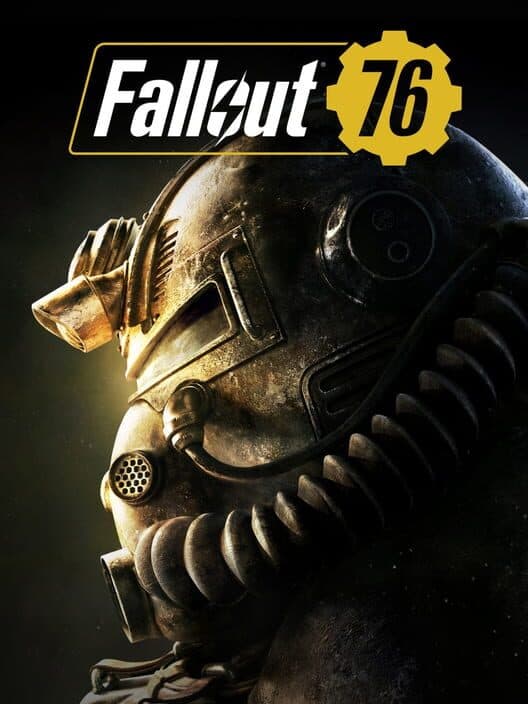
Fallout 76 is worth it now if you want a long-term Fallout sandbox and do not mind some grind and always-online quirks. The game has come a long way since launch, with proper questlines, voiced NPCs, and a surprisingly cozy shared version of Appalachia. The real joy is slowly shaping a character and C.A.M.P., running public events when they pop, and turning junk into a stronger build and a more elaborate base. In return, it asks for patience with inventory management, survival meters, and a fair amount of walking and looting between big moments. It is also structurally endless, so if you need a clear ending, you may feel adrift once the major stories are done. Microtransactions are mostly cosmetic, but the optional Fallout 1st subscription adds real convenience that can be tempting. Buy at full price if you love Fallout’s world and like the idea of a comfort game you revisit often. Wait for a sale if you mainly want to see the stories once, or skip it if you dislike live-service structures and housekeeping-heavy RPGs.

Bethesda Softworks • 2018 • Xbox Series X|S, PlayStation 4, PC (Microsoft Windows), PlayStation 5, Xbox One
Fallout 76 is worth it now if you want a long-term Fallout sandbox and do not mind some grind and always-online quirks. The game has come a long way since launch, with proper questlines, voiced NPCs, and a surprisingly cozy shared version of Appalachia. The real joy is slowly shaping a character and C.A.M.P., running public events when they pop, and turning junk into a stronger build and a more elaborate base. In return, it asks for patience with inventory management, survival meters, and a fair amount of walking and looting between big moments. It is also structurally endless, so if you need a clear ending, you may feel adrift once the major stories are done. Microtransactions are mostly cosmetic, but the optional Fallout 1st subscription adds real convenience that can be tempting. Buy at full price if you love Fallout’s world and like the idea of a comfort game you revisit often. Wait for a sale if you mainly want to see the stories once, or skip it if you dislike live-service structures and housekeeping-heavy RPGs.
Perfect when you have about an hour after work and want to wander, run a public event, and tinker with your base without needing a strict mission structure.
Great for a relaxed evening with one or two friends who enjoy loose cooperation, chatting while you clear events, share resources, and admire each other’s increasingly ridiculous C.A.M.P. creations.
Best on a weekend when you can string together two or three sessions, make big progress on a story arc, and redesign part of your base without watching the clock.
Best treated as a long-running project you revisit in hour-long chunks over many weeks, slowly finishing stories, improving your base, and refining a favorite playstyle.
Fallout 76 is built as a long-haul comfort game rather than a weekend binge-and-finish story. To feel like you have really done it you are looking at roughly 40–80 hours spread over many weeks: finishing the major questlines, exploring most regions, and building out a C.A.M.P. and character you are proud of. There is no fixed endpoint, so you decide when you are satisfied. For day-to-day play, it fits well into 60–90 minute sessions. In that time you can complete a quest or event, clean up your inventory, tweak your build, and maybe place a few new base pieces. The game autosaves constantly and lets you log out almost anywhere, but it never fully pauses, so true five-minute emergency breaks mean either finding cover or quitting to the menu. Coming back after a few weeks off does involve reorienting yourself: remembering your build, C.A.M.P. layout, and which quests you cared about. You will want a little ramp-up time. Fallout 76 pays off most for players who like having an ongoing world to drop into regularly, rather than a short, one-and-done campaign.
Steady medium-focus play where you track quests, resources, menus, and gunfights without needing razor-sharp reflexes, but you still should not multitask heavily during combat.
Playing Fallout 76 asks for steady, medium-level attention rather than laser focus. In a typical session you are constantly glancing between the world, your quest markers, and your Pip-Boy menus, making small choices about where to go, what to carry, and how to handle the next fight. Combat is real-time but not twitchy, especially if you lean on VATS, so you rarely need lightning-fast reactions. The busier part is juggling systems: ammo and weight, armor condition, hunger and thirst, and which perk cards to slot in. That mental bookkeeping can be engaging if you enjoy low-key planning. You can relax a little while idling at your C.A.M.P. or in friendly hubs, where it is safe to check your phone or talk to someone in the room. Out in the wild, though, enemies and environmental hazards punish long distractions, and the game does not pause. Fallout 76 is a good fit when you have enough bandwidth to keep one eye on an evolving checklist, but you do not want the constant execution pressure of a competitive shooter.
Takes a handful of evenings to understand the systems, then steadily rewards smarter perk choices, gear management, and positioning without demanding endless grinding or perfect execution.
Learning Fallout 76 takes a bit more time than a straightforward shooter but far less commitment than a deep MMO or strategy game. Basic movement, shooting, and using VATS make sense within your first session. The real learning curve is understanding how S.P.E.C.I.A.L. points, perk cards, crafting, weapon levels, and C.A.M.P. building all fit together. Expect several evenings before your build feels intentional instead of random and you are no longer confused by menus. Once things click, getting better actually matters. Smarter perk choices, well-maintained gear, and good positioning can turn tough events from chaotic scrambles into relaxed farming runs. You will clear enemies faster, die less, and spend less time broke or overencumbered. That said, the game does not demand perfection. You can overlevel content, rely on generous healing items, or tag along with stronger players and still succeed. For a busy adult, the sweet spot is good enough but improving. Put in some early attention to understanding one build and a couple of weapons, and the world opens up without requiring endless practice.
Moderate tension with forgiving deaths; more cozy, rambling wasteland road trip than brutal challenge or horror game, with spikes mostly in big events or tough zones.
Fallout 76 sits in the middle of the intensity spectrum. Most of the time it feels like a slow-burn adventure rather than a heart-pounding thriller. Fights can get hectic when multiple enemies swarm you or a public event ramps up, but deaths are cheap: you respawn nearby, grab your dropped junk, and try again with almost no lasting punishment. That safety net keeps tension manageable, especially if you stay in areas suited to your level. Emotionally, the game leans more towards melancholy exploration and dark comedy than fear or high drama. The ruined Appalachian landscapes, old-world music, and scattered stories of lost communities create mood, but rarely serious distress. The biggest source of bad stress is often self-inflicted—being overencumbered, low on ammo, or surprised while deep in menus—plus the low-level pressure of an online world that does not pause. If you want an exhausting challenge or horror-level scares, this will not scratch that itch. It is better when you want something engaging and occasionally tense, but still comfortable enough to unwind with after work.
Games with a similar rhythm and feel, even if they look different