Blizzard Entertainment • 2023 • Xbox Series X|S, PlayStation 4, PC (Microsoft Windows), PlayStation 5, Xbox One
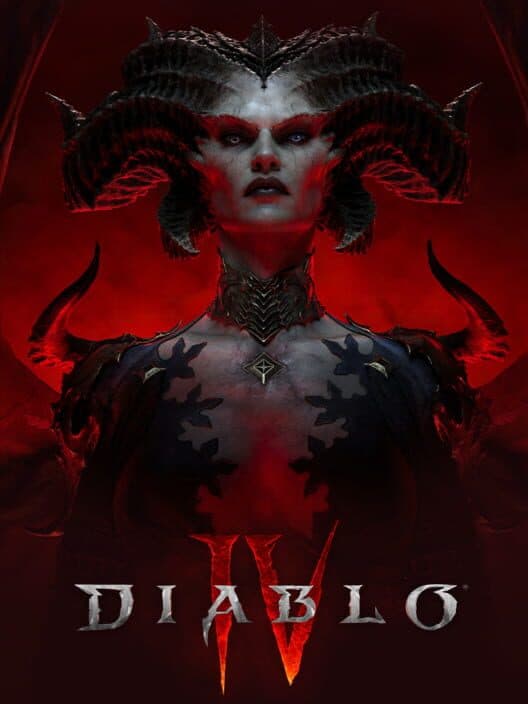
Diablo IV
Blizzard Entertainment • 2023 • Xbox Series X|S, PlayStation 4, PC (Microsoft Windows), PlayStation 5, Xbox One
Is Diablo IV Worth It?
Yes, Diablo IV is worth it if you want a dark, polished loot game with great combat and you're happy stopping after the campaign and early post-story stretch. The best part is how good it feels minute to minute. Skills hit hard, classes have clear personality, and short sessions still feel productive because gear, levels, and map progress keep moving. For a lot of players, that's enough to justify full price, especially if you know you'll finish the story with one class and sample the endgame a little. I'd wait for a sale if your main hope is a huge long-term treadmill that stays fresh for hundreds of hours. The post-story loop gets repetitive faster than the campaign, and the online-only setup is a real annoyance if you need to pause often. Skip it if you want offline play, low-gore screen safety, or handcrafted variety every hour. Buy it for the campaign, the atmosphere, and the pleasure of making a build click.
What is Diablo IV like?
Opinions of Diablo IV
What Players Love
- Players Love
Combat feels punchy and every class has strong identity
Even many critical players praise the core action. Skills hit hard, dense fights feel satisfying, and each class quickly sells a distinct power fantasy.
- Players Love
Dark art direction and cinematics give the world real weight
Players regularly highlight the bleak gothic look, creature design, music, and major story scenes. The world feels polished, grim, and memorable.
Common Concerns
- Common Concern
Post-story progression can feel repetitive sooner than players hoped
Enjoyment is often strongest through the campaign, then drops off. Reused dungeon tasks, similar enemy mixes, and treadmill progression can flatten the excitement.
- Common Concern
Always-online design creates friction for solo and interrupted play
No true pause and full server dependence remain recurring complaints. Short real-life interruptions can be annoying even when you are playing alone.
Divisive Aspects
- Divisive
Loot depth is better now, but long-term depth divides
Updates improved itemization for many players, yet debate remains over whether gear choices and long-run character growth stay rich enough to hold interest.
What does Diablo IV demand from you?
Time
MODERATETime
The campaign and early post-story stretch fit nicely into weeks of short sessions, but the online-only setup makes real-life interruptions harder than it should.
Focus
MODERATEFocus
Most of the session is active screen-reading and quick gear judgment, with enough breathing room in town that it stays engaging instead of exhausting.
Challenge
MODERATEChallenge
Easy to start, slower to truly understand, because your build matters more and more as skills, Aspects, and stats begin interacting.
Intensity
MODERATEIntensity
It looks brutal and can spike during elite fights, but the usual rhythm is controlled monster-slaying rather than constant panic or punishing pressure.
Frequently Asked Questions
You Might Also Like
Games with a similar rhythm and feel, even if they look different