Techland Publishing • 2022 • Xbox Series X|S, PlayStation 4, PC (Microsoft Windows), PlayStation 5, Xbox One
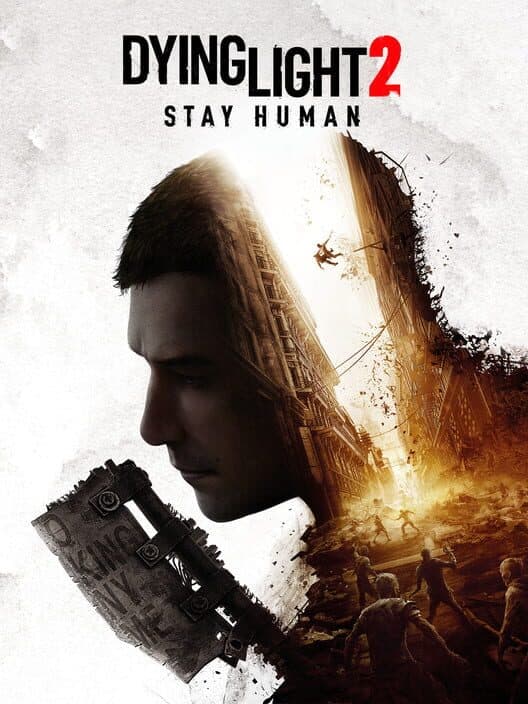
Dying Light 2: Stay Human
Techland Publishing • 2022 • Xbox Series X|S, PlayStation 4, PC (Microsoft Windows), PlayStation 5, Xbox One
Is Dying Light 2: Stay Human Worth It?
Yes, Dying Light 2: Stay Human is worth it if rooftop movement and tense zombie escapes sound more exciting to you than a great story. Its biggest strength is simple and immediate: crossing the city feels fantastic once the parkour opens up. Few open-world games make travel itself this fun, and the day-night loop gives that movement real stakes. When a quiet scavenging run turns into a rooftop sprint from a growing chase, the game delivers moments few others do. The tradeoff is that the campaign and choice system rarely live up to their promise, and a lot of side content starts to feel like map maintenance instead of discovery. Buy at full price if you want a long solo adventure built around movement, light character growth, and bursts of adrenaline. Wait for a sale if you care a lot about story quality, polish, or co-op stability. Skip it if you dislike first-person melee, weapon durability, or stressful night sequences. For the right player, the parkour alone carries the whole package.
What is Dying Light 2: Stay Human like?
Opinions of Dying Light 2: Stay Human
What Players Love
- Players Love
Parkour traversal makes every rooftop run hard to put down
Across reviews and forum posts, players keep pointing to movement as the game's real identity. Crossing the city feels fast, expressive, and satisfying even when other parts disappoint.
- Players Love
Night runs deliver the game's best adrenaline rushes
Players often single out nighttime for the most memorable moments. Chases, low visibility, and rooftop escapes give the city a momentum and danger the daytime cannot match.
Common Concerns
- Common Concern
Story and choices rarely match the setup's promise
Many players say the setup promises bigger emotional payoffs than the campaign delivers. Dialogue, characters, and faction choices often land as serviceable rather than gripping.
- Common Concern
Side activities can start feeling repetitive and checklist-heavy
Once the early novelty fades, repeated activities and heavy map icon clutter can make progress feel checklist-driven. Players most often notice this during extended side-content play.
- Common Concern
Bugs and co-op issues still hurt consistency sometimes
Current sentiment says technical issues are better than at launch, but quest bugs, rough animation moments, and co-op instability still show up often enough to matter.
Divisive Aspects
- Divisive
Loot and weapon durability split players more than expected
Some players enjoy the constant drip of gear upgrades and weapon mods, while others feel durability and loot layers add busywork that weakens the survival-action feel.
What does Dying Light 2: Stay Human demand from you?
Time
MODERATETime
It plays well in weeknight chunks, but seeing the full payoff still means a few dozen hours and a short warm-up after breaks.
Focus
HIGHFocus
Most sessions need steady attention, quick hands, and good route reading, especially once a simple rooftop jog turns into a scramble through rooftops and streets.
Challenge
MODERATEChallenge
You can survive early, but real comfort comes after several sessions of chaining movement, managing gear, and learning when to fight, flee, or climb.
Intensity
MODERATEIntensity
The mood swings between breezy movement and sharp bursts of panic, with night runs delivering the biggest adrenaline spikes and daylight giving you room to breathe.
Frequently Asked Questions
You Might Also Like
Games with a similar rhythm and feel, even if they look different