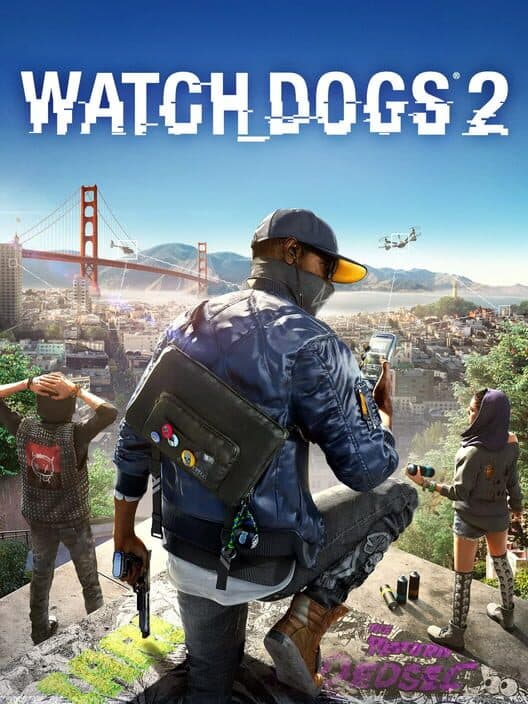
Ubisoft Entertainment • 2016 • PlayStation 4, PC (Microsoft Windows), Xbox One, Google Stadia
Yes, Watch Dogs 2 is worth it if you want a city sandbox that lets you feel clever more often than frustrated. Its best feature is the way missions support different styles: scout with a drone, sneak across rooftops, manipulate guards, trigger city traps, or go loud when a plan falls apart. San Francisco, Oakland, and Silicon Valley also give the game a brighter, more inviting feel than most crime sandboxes. What it asks from you is moderate attention and around 20 to 30 hours if you want the full campaign payoff. It is easy to make steady progress in weeknight sessions, but the driving, shooting, and enemy AI are only good, not amazing. Buy at full price if the hacker fantasy and flexible mission design sound exactly like your thing. On sale, it is an easy recommendation for most people who enjoy open-world stealth-action. Skip it if you mainly want deep gunplay, ultra-serious storytelling, or writing that never gets goofy.

Ubisoft Entertainment • 2016 • PlayStation 4, PC (Microsoft Windows), Xbox One, Google Stadia
Yes, Watch Dogs 2 is worth it if you want a city sandbox that lets you feel clever more often than frustrated. Its best feature is the way missions support different styles: scout with a drone, sneak across rooftops, manipulate guards, trigger city traps, or go loud when a plan falls apart. San Francisco, Oakland, and Silicon Valley also give the game a brighter, more inviting feel than most crime sandboxes. What it asks from you is moderate attention and around 20 to 30 hours if you want the full campaign payoff. It is easy to make steady progress in weeknight sessions, but the driving, shooting, and enemy AI are only good, not amazing. Buy at full price if the hacker fantasy and flexible mission design sound exactly like your thing. On sale, it is an easy recommendation for most people who enjoy open-world stealth-action. Skip it if you mainly want deep gunplay, ultra-serious storytelling, or writing that never gets goofy.
Players love using drones, cameras, traps, and NPC tricks to solve the same objective in different ways, making stealth, chaos, and nonlethal play all feel valid.
Players who lean on shooting or car chases more than hacking often say the core action feels competent rather than memorable, which can make longer sessions repetitive.
Some players enjoy the upbeat anti-corporate energy and constant banter, while others find the jokes forced or out of step with the game's harsher violence.
San Francisco, Oakland, and Silicon Valley are regularly praised for colorful neighborhoods, strong atmosphere, and a map that stays enjoyable even between objectives.
A recurring complaint is that the breezy prankster mood does not always match missions about crime, surveillance, and lethal force, creating some emotional disconnect.
Players love using drones, cameras, traps, and NPC tricks to solve the same objective in different ways, making stealth, chaos, and nonlethal play all feel valid.
San Francisco, Oakland, and Silicon Valley are regularly praised for colorful neighborhoods, strong atmosphere, and a map that stays enjoyable even between objectives.
Players who lean on shooting or car chases more than hacking often say the core action feels competent rather than memorable, which can make longer sessions repetitive.
A recurring complaint is that the breezy prankster mood does not always match missions about crime, surveillance, and lethal force, creating some emotional disconnect.
Some players enjoy the upbeat anti-corporate energy and constant banter, while others find the jokes forced or out of step with the game's harsher violence.
It works well in 45 to 90 minute sessions, with clear missions and quick progress, even if the open world tempts detours.
Watch Dogs 2 fits busy schedules better than many open-world games. A solid session is often 45 to 90 minutes: pick an operation, drive across the city, scout the target, finish the job, spend research points, and log off after an autosave. That structure asks for enough time to settle in, but it usually delivers a clear sense of progress before the night is over. The story campaign also has a sensible finish line. If you roll credits and sample a healthy chunk of side content, you will likely feel done in about 20 to 30 hours. You do not need every collectible or every online feature to get the point. It is built mainly for solo play, so you are not managing raid schedules or nightly team obligations. The only real time trap is the city itself. It is easy to drift into shopping, collectibles, photo ops, and one more quick mission. Coming back after a week is manageable thanks to strong map markers and clear objectives.
You plan, scout, and improvise often, but the game gives you enough breathing room that attention feels active rather than draining.
Watch Dogs 2 asks for steady screen attention, but not a white-knuckle lock-in. Most missions start with a few calm minutes of scouting. You send up the drone, tag guards, spot cameras, find doors, and look for hacks that can thin the problem out before you walk in. That planning step delivers the game's best feeling: you solve spaces like little playgrounds instead of charging straight through them. Once a plan breaks, the demand changes. Driving through traffic, escaping police, and scrambling during a firefight all need quick eyes and hands, so it is not a second-screen game. The good news is that it rarely piles everything on at once for long. Long drives, open-world wandering, and generous tools create room to breathe between busy moments. If you like choosing your route and improvising with gadgets, it feels clever without becoming exhausting. If you want something you can half-watch while answering messages, this asks for more attention than that.
You can function fast, but the real fun starts when drones, cameras, and city hacks begin to feel like one toolkit.
Watch Dogs 2 is easy to start and noticeably richer once its tools click together. You can grasp the basics fast: move through the city, mark an objective, use a phone hack, sneak a little, shoot if things go wrong. That means the first few hours are welcoming. The deeper skill comes from using the drone, jumper, cameras, traps, and city systems as one connected toolkit. That is where the game asks for a bit of patience, and it pays you back with far more freedom. Instead of feeling stuck in average shooting and driving, you start solving problems with style. You call distractions, trigger hazards, route through rooftops, steal data remotely, and leave before guards know what happened. Mistakes are usually cheap, which makes learning comfortable. You are encouraged to test ideas rather than protect every move. Most players will feel genuinely capable within 6 to 10 hours, but the bigger reward is discovering how much smoother and less stressful missions become once you stop playing it like a plain shooter.
Alarms and chases create quick spikes, yet the bright tone and soft punishment keep most sessions exciting instead of exhausting.
Most sessions feel playful rather than punishing. The pressure comes from being spotted, getting boxed in during a chase, or letting a stealth plan spiral into a shootout. Those moments can get messy fast, but the game usually answers with a short retry or a quick escape instead of a long punishment loop. That trade works well: it asks you to stay alert in the moment, then rewards you with relief and momentum instead of frustration. The tone also keeps the temperature down. Bright neighborhoods, prankster energy, and gadget-driven mischief make even hostile spaces feel lighter than a grim crime story. There is still real violence, strong language, and a few story beats with sharper edges, so it is not cozy. But compared with tenser stealth games or harsher shooters, this lands in a middle lane. It can absolutely wake you up after work, especially during police pursuits, yet it usually stops short of feeling draining.
Games with a similar rhythm and feel, even if they look different