Ubisoft Entertainment • 2024 • Xbox Series X|S, Nintendo Switch 2, PC (Microsoft Windows), PlayStation 5
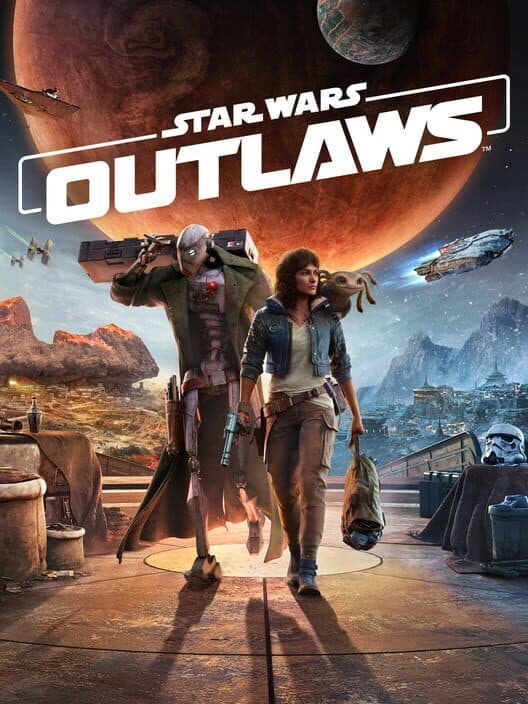
Star Wars Outlaws is worth it if you love Star Wars, enjoy cinematic open‑world adventures, and want a game that fits around adult life instead of consuming it. The big draw is fantasy: you’re a scrappy outlaw in a believable Star Wars underworld, pulling heists, talking your way out of trouble, and hanging out in smoky cantinas between jobs. In return, the game asks for moderate focus, a tolerance for some familiar Ubisoft‑style side activities, and roughly 25–40 hours if you aim to see the main story and a good slice of side content. It pays that back with steady upgrades, frequent “one more mission” hooks, and plenty of moments where the music swells and you feel like you’re in the movies. Buy at full price if you’re a Star Wars fan or you reliably finish big single‑player games. If you’re burned out on open worlds, prefer very deep RPG systems, or rarely see credits roll, this is a strong sale‑watch instead.

Ubisoft Entertainment • 2024 • Xbox Series X|S, Nintendo Switch 2, PC (Microsoft Windows), PlayStation 5
Star Wars Outlaws is worth it if you love Star Wars, enjoy cinematic open‑world adventures, and want a game that fits around adult life instead of consuming it. The big draw is fantasy: you’re a scrappy outlaw in a believable Star Wars underworld, pulling heists, talking your way out of trouble, and hanging out in smoky cantinas between jobs. In return, the game asks for moderate focus, a tolerance for some familiar Ubisoft‑style side activities, and roughly 25–40 hours if you aim to see the main story and a good slice of side content. It pays that back with steady upgrades, frequent “one more mission” hooks, and plenty of moments where the music swells and you feel like you’re in the movies. Buy at full price if you’re a Star Wars fan or you reliably finish big single‑player games. If you’re burned out on open worlds, prefer very deep RPG systems, or rarely see credits roll, this is a strong sale‑watch instead.
When you have 60–90 minutes on a weeknight and want to complete one clean heist or story mission, grab an upgrade, and log off feeling you made real progress.
When you’re in the mood for Star Wars but don’t want multiplayer obligations, just a solo adventure you can pause instantly if work, kids, or roommates need your attention.
On a relaxed weekend afternoon when you’d rather roam a new planet, play some sabacc, and do a couple of side jobs than push the main plot forward.
A one‑and‑done Star Wars adventure you can finish in a few dozen hours, sliced into mission‑sized chunks that work well for 60–90 minute sessions.
Star Wars Outlaws is built as a substantial but finite solo adventure, not a lifestyle grind. Most adults will feel satisfied after finishing the main story and a decent helping of side jobs and exploration, which usually lands somewhere around 25–40 hours of play. The structure fits weeknight gaming well: you load in near a hub, ride out to a mission, pull off a job, cash in, maybe buy an upgrade, then stop at a natural lull. Autosaves and manual saves mean you can quit almost anywhere, and pausing is instant, so family or work interruptions are rarely a problem. Clear quest logs and objective markers make it easy to remember your plans even if you only play a couple of times a week. There’s no multiplayer to schedule or seasonal content to chase, just a single‑player story told across several planets. If you want something you can enjoy over a month or two and then comfortably shelve, this fits nicely.
You’ll focus during infiltrations and fights, but travel, hubs, and cutscenes give your brain plenty of relaxed breathing room between the more demanding stretches.
Moment to moment, Star Wars Outlaws sits in the middle for how much mental and physical focus it needs. When you’re sneaking through an Imperial facility or pulling off a syndicate heist, you’ll be watching patrol routes, timing distractions with Nix, and lining up shots from cover. Those sequences want your attention, but the systems themselves are simple and readable, closer to Uncharted or Spider‑Man than to a deep stealth sim. Outside those set pieces, things calm down a lot. Riding your speeder, wandering hubs, or chatting in cantinas are good times to decompress, check your phone, or talk to someone in the room without losing the thread. The game also helps you stay oriented with clear objective markers and a tidy quest log, so you’re rarely puzzling over what to do next. For a tired adult, it asks for solid focus in bursts, then lets you coast, which makes it surprisingly easy to enjoy after work.
Easy to pick up, modest to grow in; getting better feels nice but isn’t mandatory for seeing the story through.
If you’ve played almost any third‑person action game in the last decade, you’ll slide into Outlaws quickly. Basic movement, cover shooting, stealth, and simple hacking are taught clearly in the opening hours, and by your second or third evening you’ll have seen nearly every major mechanic. The real growth comes from learning how levels tend to flow, when to lean on stealth versus going loud, and how to use Nix and gadgets to save yourself when plans go sideways. Improving at those things makes missions smoother and more stylish, but the game rarely demands high execution to progress on normal. You don’t need precise headshots or flawless stealth chains to see credits roll. For busy adults this is a good balance: there’s enough room to feel yourself improving over a full playthrough, yet you won’t feel punished if you only ever reach “competent” instead of “expert.” Mastery trims friction rather than unlocking entirely new layers.
Feels like a PG‑13 action movie: exciting firefights and chases, but generous checkpoints keep the overall stress at a comfortable, manageable level.
Outlaws aims for the rush of a Star Wars caper, not the grind of a punishing challenge run or the dread of a horror game. Gunfights, escapes, and cinematic set pieces definitely get your heart rate up, especially early on, but the game undercuts long‑term stress with frequent checkpoints and light penalties for failure. If you die or a stealth plan falls apart, you usually reload close by with gear intact, so you’re back in the action in a minute or two. On normal difficulty enemies hit hard enough that you can’t sleepwalk through encounters, yet you rarely feel backed into a corner with no way forward. The emotional tone stays pulpy and adventurous rather than grim, with plenty of quips and cozy cantina downtime between crises. For most adults this will feel energizing rather than draining: you get tense moments and satisfying wins, but not the kind of constant pressure that leaves you exhausted after each session.
Games with a similar rhythm and feel, even if they look different