Avowed

Xbox Game Studios2025Xbox Series X|S, PC (Microsoft Windows)
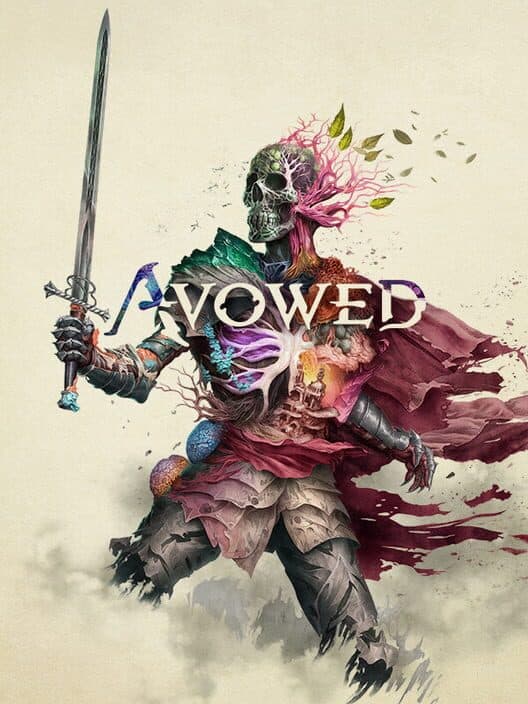
Story-driven first-person fantasy action RPG campaign

25–35 hour adventure with dense regional zones

Single-player only, flexible builds and companions

Is Avowed Worth It?

Avowed is worth it if you enjoy story-driven fantasy RPGs and want something substantial but not life-consuming. It offers a 25–35 hour first-person campaign with dense zones, memorable companions, and satisfying character growth. The combat mixes real-time action with a handy pause menu, so you can play it like a thoughtful brawler or a slower, almost tactical experience. In return, it asks for a moderate amount of focus and comfort with M-rated content: there’s blood, strong language, and dark themes around plague and fanaticism. It’s best on a normal weeknight when you can give it 60–90 minutes without multitasking. You’ll get engaging questlines, moral choices that shape endings, and plenty of character experimentation with spells, guns, and swords. Buy at full price if you love games like Dragon Age, The Outer Worlds, or The Witcher and want a polished, self-contained adventure. If you’re lukewarm on first-person combat or only dabble in RPGs, waiting for a sale is sensible. Skip it if you require co-op or can’t tolerate graphic fantasy violence.

When is Avowed at its best?

When you have a free evening and about 90 minutes to spare, perfect for knocking out one chunky quest, a dungeon, and some relaxed party-camp conversations.

On a quiet weekend afternoon when you’re in the mood for story-heavy fantasy but don’t want multiplayer commitments, letting you immerse in quests, companions, and build tinkering at your own pace.

During a busy week where interruptions are likely, since you can pause anytime, save almost anywhere, and still feel progress after just one or two fights or conversations.

What is Avowed like?

Avowed is a focused, single-player campaign that fits reasonably well into an adult schedule. A typical “get the gist” playthrough with the main story and a healthy chunk of side quests runs about 25–35 hours. That translates to a couple of weeks if you play 60–90 minutes most evenings. The game is built around large regions with clear quest beats, dungeons, and party camps, so it’s easy to stop after finishing a questline, a dungeon clear, or a round of camp conversations. You can pause at any time, even mid-fight, and save almost anywhere, which makes it forgiving if kids, pets, or life need your attention. Coming back after a week or two away usually means spending a few minutes re-reading your quest log and re-familiarizing yourself with your build, but the journal and markers are clear enough that you won’t feel completely lost. There’s no multiplayer or seasonal grind, so you can happily treat it as a one-and-done adventure.

Tips

  • Aim for sessions that finish a single quest or dungeon plus a short camp visit, which usually fits comfortably into a 60–90 minute window.
  • Make a short note in your phone about your current main goal when you finish a session; it speeds up reorientation after a break.
  • Don’t feel obligated to clear every side quest in each region; moving the main story forward often keeps the pacing healthier for limited schedules.

In Avowed, your attention stays engaged most of the time, but it rarely feels like homework. In combat you’re aiming, blocking, and dodging in first person while juggling a small set of spells or abilities. The radial pause menu lets you stop the action to swap weapons, drink a potion, or queue up a combo, so quick thinking matters more than raw twitch reflexes. Between fights you’re reading quest text, scanning the map, and deciding where to head next, which uses a different kind of concentration. You can’t really treat it like a podcast game during dungeons or boss encounters; looking away from the screen for long is risky. But camp sequences, dialogue scenes, and slower exploration stretches give you chances to relax, re-spec, and tinker with gear at your own pace. If you usually play in the evening after work, expect to feel pleasantly absorbed rather than mentally drained, as long as you stay on Easy or Normal.

Tips

  • When you’re tired, lean on Story or Easy and focus sessions on exploration and camp downtime instead of long dungeon pushes.
  • Use the radial pause often; set up spells and weapon swaps while time is frozen rather than trying to manage everything on the fly.
  • Group dialogue-heavy quests on weeknights when you’re low on reflexes but still have the focus to enjoy conversations and choices.

Avowed is welcoming to newcomers while still giving room to grow if you enjoy digging deeper. The basics—swinging a sword, blocking, aiming a bow, and casting a few favorite spells—click within the first few hours. Tooltips are clear, and you can lean heavily on pausing and companion help on lower settings. You don’t need to memorize long combo strings or frame-perfect timings to finish the story. Where improvement comes in is understanding how different ability trees, elements, and weapons fit together. Building a strong spellblade or gun-wizard, rotating the right crowd-control spells, and exploiting weaknesses will make tougher fights feel much smoother. Higher difficulties really reward that extra knowledge, but most busy adults will probably stay on Easy or Normal, where solid fundamentals are enough. If you like the feeling of your understanding sharpening over time, there’s satisfying depth here, just not on the same level as pure combat games like Sekiro or character-action classics.

Tips

  • Pick one build idea early, like spellblade or gun ranger, and stick with it instead of constantly respec’ing; this keeps learning manageable.
  • Learn two or three reliable crowd-control or defensive abilities first so you always have a “panic button” when a fight starts to go wrong.
  • Treat higher difficulties as a second-playthrough option; finish once on Normal or Easy before deciding whether deeper mastery sounds fun.

Overall, Avowed sits in the middle of the intensity spectrum. Normal difficulty combat can get tense, especially in cramped spaces or multi-wave encounters, but deaths usually just send you back to a nearby autosave. There’s no harsh death penalty like losing all your experience or gear, so mistakes sting more in the moment than long-term. The tone is dark-fantasy: plague, fanatic cults, body horror, and frequent swearing, plus lots of blood in combat. It’s not outright horror, but it’s definitely not cozy either. Big story choices and companion moments can be emotional, though the writing isn’t uniformly gut-punch level. For a busy adult, that means your heart rate will spike in some boss fights and moral decisions, but the game won’t grind you down the way a roguelike or ultra-hard action title might. If you drop the difficulty to Story Time or Easy, the experience leans more toward power fantasy and sightseeing than white-knuckle combat.

Tips

  • If fights feel stressful after work, immediately drop the difficulty; the story and buildcraft stay intact while pressure and death frequency fall sharply.
  • Take advantage of frequent autosaves before big encounters so you feel free to experiment without worrying about losing long stretches of progress.
  • If dark themes or gore bother you, play earlier in the evening and skip optional lore notes that describe the plague in detail.

Frequently Asked Questions