Take-Two Interactive • 2013 • PlayStation 4, PC (Microsoft Windows), Xbox One, PlayStation 3, Xbox 360
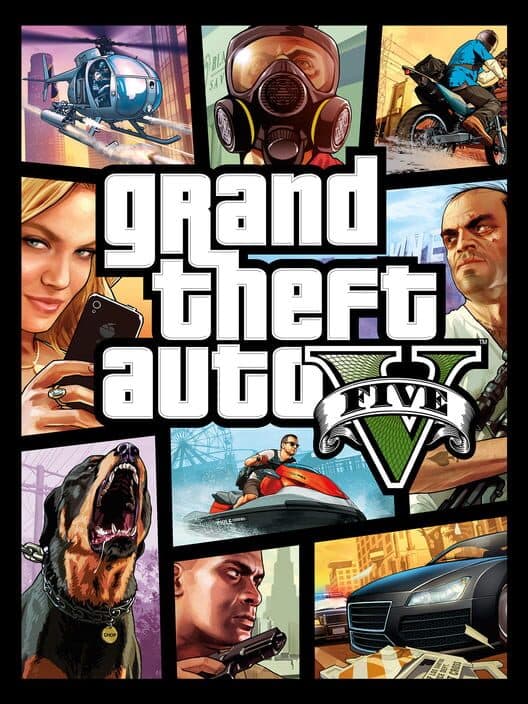
Yes—Grand Theft Auto V is still worth it if you want a huge, memorable city to mess around in and a story built on spectacle, humor, and heists. The big draw is Los Santos itself. Even in a short session, driving to a mission, hearing ridiculous radio chatter, and stumbling into a police chase can feel like you got a full anecdote out of the night. The campaign also fits real life fairly well because you can pause freely and make steady progress in hour-long chunks. The tradeoff is that the game shows its age inside missions. Free roam feels open, but story missions can be more scripted and stiff than newer open-world games, and the mature content is constant enough to rule it out for shared spaces. Buy at full price if you've somehow never played it and want a landmark sandbox story. Wait for a sale if you're mostly curious or care a lot about modern gunplay. Skip it if explicit satire, dated mission design, or package-level online baggage are deal breakers.

Take-Two Interactive • 2013 • PlayStation 4, PC (Microsoft Windows), Xbox One, PlayStation 3, Xbox 360
Yes—Grand Theft Auto V is still worth it if you want a huge, memorable city to mess around in and a story built on spectacle, humor, and heists. The big draw is Los Santos itself. Even in a short session, driving to a mission, hearing ridiculous radio chatter, and stumbling into a police chase can feel like you got a full anecdote out of the night. The campaign also fits real life fairly well because you can pause freely and make steady progress in hour-long chunks. The tradeoff is that the game shows its age inside missions. Free roam feels open, but story missions can be more scripted and stiff than newer open-world games, and the mature content is constant enough to rule it out for shared spaces. Buy at full price if you've somehow never played it and want a landmark sandbox story. Wait for a sale if you're mostly curious or care a lot about modern gunplay. Skip it if explicit satire, dated mission design, or package-level online baggage are deal breakers.
Players still praise the radio, traffic, side activities, and police chaos. Even aimless driving around the city often creates funny, memorable stories on its own.
A frequent complaint is the gap between free-roam freedom and mission rigidity. Once a mission starts, stealth, shooting, and routes can feel more locked down than expected.
Many players enjoy the abrasive jokes, radio ads, and cynical view of Los Santos. Others feel parts of the humor are dated or simply not funny for them.
The switching leads, heists, and big set pieces still stand out years later. Many players say the campaign feels distinct because its major missions rarely blur together.
Recent package-level feedback often points to grinding, matchmaking friction, and cheating, especially on PC. These issues mostly affect the online side, not the core campaign.
Players still praise the radio, traffic, side activities, and police chaos. Even aimless driving around the city often creates funny, memorable stories on its own.
The switching leads, heists, and big set pieces still stand out years later. Many players say the campaign feels distinct because its major missions rarely blur together.
A frequent complaint is the gap between free-roam freedom and mission rigidity. Once a mission starts, stealth, shooting, and routes can feel more locked down than expected.
Recent package-level feedback often points to grinding, matchmaking friction, and cheating, especially on PC. These issues mostly affect the online side, not the core campaign.
Many players enjoy the abrasive jokes, radio ads, and cynical view of Los Santos. Others feel parts of the humor are dated or simply not funny for them.
The story fits nicely into 60 to 90 minute sessions, but the open world constantly tempts you to stay longer than planned.
For a player with limited weekly time, the story mode asks for a very reasonable long-form commitment. You can get the full experience in roughly 30 to 40 hours by finishing the main campaign and sampling enough side activities to understand the city's rhythm. A normal night fits neatly into one major mission plus a little roaming, which makes 60 to 90 minute sessions feel productive. The game also plays well with real life. You can pause almost anytime, autosaves are frequent, and manual saves are easy once you're out of a mission. The catch is that missions are best treated as short self-contained blocks. If you quit halfway through one, you may need to replay a chunk later. Coming back after a week isn't too bad either. The map, phone reminders, and familiar structure help you reorient quickly. Just know that the city is a time thief. It constantly offers one more detour, one more stunt, one more chase. The main story is manageable. Your own curiosity is what stretches it.
You're usually driving, following markers, and handling simple shootouts. It wants steady eyes-on-screen attention, but not deep planning or elite reflexes.
Grand Theft Auto V asks for steady, active attention, not the locked-in concentration of a hard tactics game. Most of your time is spent driving through traffic, following GPS markers, listening to story chatter, and then snapping into simple cover shooting or a chase when a mission turns loud. That mix keeps you engaged because the game is always changing jobs on you. One minute you're cruising across town, the next you're landing a plane or escaping police. The good news is that the thinking stays readable. You usually aren't juggling complicated builds, strict stealth systems, or layered combat combos. The harder part is staying present. Look away during a freeway run or firefight and things can unravel fast. In return for that steady attention, the game delivers variety. The city feels busy, the missions feel cinematic, and even routine travel has flavor thanks to radio banter, traffic, and sudden nonsense. It's a good fit when you want to be switched on, but not mentally wrung out.
You can get comfortable within a few evenings, though switching between driving, flying, shooting, and mission rules creates brief control friction at first.
This is approachable by big open-world standards. Most people can learn enough to enjoy the game within a few evenings, and the campaign does a decent job teaching the basics through repetition. You drive to a marker, hear the setup, follow clear instructions, then handle a shootout, chase, or escape. That rhythm makes it easy to get functional fast. The main learning bump comes from how many control styles the game asks you to touch. On-foot shooting feels different from driving, bikes feel different from cars, and aircraft can be awkward until your hands catch up. Character switching also adds brief reorientation moments. Still, this is not a game about mastering elaborate systems. You are learning a broad set of readable tools, not climbing a giant skill mountain. The process is forgiving because the story keeps moving, the map is clear, and mistakes rarely do lasting damage. If you can handle mainstream action games, you'll likely settle in quickly. The reward is range: lots of toys, lots of mission types, and very little homework.
Most sessions feel lively rather than punishing, with bursts of heist panic and police chaos separated by long stretches of cruising, jokes, and breathing room.
Most sessions land in the sweet spot between relaxed and exciting. Grand Theft Auto V is rarely serene, but it also isn't built to keep your heart racing nonstop. The spikes are easy to spot: a heist going wrong, a police chase through downtown, a helicopter escape, or a mission with tight fail conditions. Those moments can feel tense and chaotic in a fun movie way. Then the game eases off and lets you drive, joke around, shop, or soak in Los Santos. That breathing room matters. It keeps the campaign lively instead of exhausting. Failure also helps keep the pressure in check. When you mess up, you usually lose a little time and restart from a generous checkpoint rather than suffering a huge penalty. The bigger friction is annoyance, not dread, especially when a mission rejects the approach you wanted to try. So the overall mood is energetic, mischievous, and occasionally stressful, but not punishing. It's best when you want stimulation and spectacle without signing up for a brutal night.
Games with a similar rhythm and feel, even if they look different