inXile Entertainment • 2020 • PlayStation 4, Linux, PC (Microsoft Windows), Mac, Xbox One
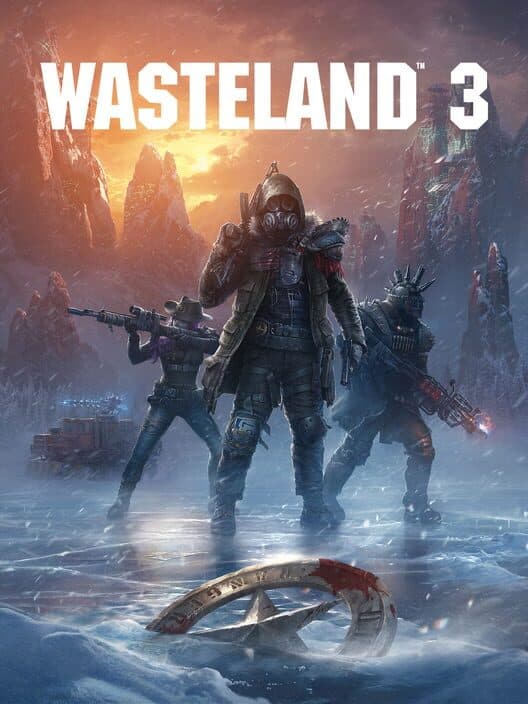
Wasteland 3 is worth it if you enjoy turn-based tactics, reactive stories, and don’t mind plenty of reading and mature themes. It delivers a long, coherent campaign where your choices genuinely reshape factions, companions, and the ending, all wrapped in sharp, darkly comic writing. In return, it asks for focus, patience with dialogue, and comfort with bleak humor and graphic violence. If you like XCOM-style planning but wish it had more story and character work, this hits a sweet spot. Busy adults get good value because it’s easy to pause, save, and make progress in 60–90 minute chunks without grinding. Buy at full price (or near it) if you love CRPGs, turn-based tactics, or narrative games with big branching decisions. If you’re only mildly curious about the genre, waiting for a sale makes sense. Skip it if you dislike heavy reading, dark content, or slower-paced, system-heavy games.

inXile Entertainment • 2020 • PlayStation 4, Linux, PC (Microsoft Windows), Mac, Xbox One
Wasteland 3 is worth it if you enjoy turn-based tactics, reactive stories, and don’t mind plenty of reading and mature themes. It delivers a long, coherent campaign where your choices genuinely reshape factions, companions, and the ending, all wrapped in sharp, darkly comic writing. In return, it asks for focus, patience with dialogue, and comfort with bleak humor and graphic violence. If you like XCOM-style planning but wish it had more story and character work, this hits a sweet spot. Busy adults get good value because it’s easy to pause, save, and make progress in 60–90 minute chunks without grinding. Buy at full price (or near it) if you love CRPGs, turn-based tactics, or narrative games with big branching decisions. If you’re only mildly curious about the genre, waiting for a sale makes sense. Skip it if you dislike heavy reading, dark content, or slower-paced, system-heavy games.
When you have about 90 minutes and enough mental energy to read dialogue, tinker with builds, and see a full quest or major battle through to its conclusion.
When you’re in the mood for a darker, choice-driven story and want to live with the consequences of your decisions over several weeks of steady, after-work play.
When you and one reliable friend want a long-term co-op campaign you can chip away at together, discussing choices and planning turns without real-time pressure.
A substantial, one-campaign journey you can comfortably spread across many 60–90 minute sessions, with great saving but some effort needed to resume after long breaks.
Wasteland 3 is a classic “one big campaign” game. Most busy adults will spend around 40–60 hours to see credits once, which translates to several weeks of evening play if you have 5–10 hours a week. The structure works well for that pace: quests and major encounters often fit into 60–90 minute chunks, and you can save almost anywhere, so sessions can end when real life calls. It’s highly pause-friendly, too, which helps if you have kids or frequent interruptions. The tradeoff is that juggling a six-person squad and multiple faction storylines makes it harder to pick back up after a long gap; returning after a month away may require a little homework. Co-op is optional and usually easier with a regular friend than drop-in partners. Overall, the game asks for a steady but manageable long-term commitment, rewarding you with a single, meaty story rather than an endless treadmill.
A thinking-person’s RPG that asks for steady attention and reading, but lets you pause and take your time whenever you need.
Wasteland 3 leans heavily on your ability to read, think ahead, and keep track of several moving parts. A typical night mixes dialogue-heavy conversations, party management, and turn-based battles where you plan out multi-character turns. You’ll be weighing tradeoffs between using scarce grenades now or later, deciding which skills to level, and choosing dialogue options that can lock off entire quest lines. The game rarely rushes you, though. Combat is fully turn-based, exploration is mostly relaxed, and you can pause or sit on your turn as long as you like. This makes it demanding in terms of thought, not speed. Multitasking is possible in the quieter stretches, but you’ll want to give fights and big story moments real focus. For a busy adult, it’s best when you have enough mental energy to read and plan, but don’t want the stress of twitch action.
Takes a few evenings to click, then rewards smarter builds and tactics with noticeably smoother fights and more confident decision-making.
Learning Wasteland 3 is less about reflexes and more about understanding its web of systems. Early on, the number of attributes, skills, perks, and weapon types can feel a bit overwhelming, especially when you’re also learning how cover, armor, status effects, and dialogue checks all work. Expect the first 8–12 hours to be a learning phase where you experiment and occasionally misbuild someone. Once things click, though, improving your squad design and tactics pays off clearly. Better skill coverage opens up new quest solutions; smarter perk combos and positioning let you demolish groups that once gave you trouble. You’ll feel the difference strongly within a single playthrough. There isn’t an endless ladder or competitive scene to showcase mastery, so the payoff is mostly finishing the story on your terms or tackling harder difficulties or Ironman if you’re inclined. For a busy adult, there’s enough depth to feel satisfying without demanding a lifestyle commitment.
Moderately tense and often dark, with some tough fights and moral choices, but rarely the heart-pounding stress of real-time action or horror.
Emotionally, Wasteland 3 sits in a middle band. Its world is violent, profane, and full of bleak humor, so you’ll see some disturbing situations and morally ugly choices. Big battles, especially if your squad is underbuilt, can feel tense as you watch enemies flank or nearly down a favorite character. However, because everything is turn-based, that tension plays out in slow motion. You always have time to breathe, think, and step away if you need to. On default difficulty, most encounters are challenging but fair, and failure usually just means reloading a recent save rather than losing hours of progress. The emotional weight comes more from themes—slavery, cults, desperate communities—than from frantic button-pressing. If you’ve had a rough day, the tone might feel heavy, but the mechanical pacing is gentle. It’s better suited to evenings when you can handle some darkness but don’t want pure stress.
Games with a similar rhythm and feel, even if they look different