Larian Studios • 2023 • Google Stadia, Xbox Series X|S, PC (Microsoft Windows), PlayStation 5, Mac
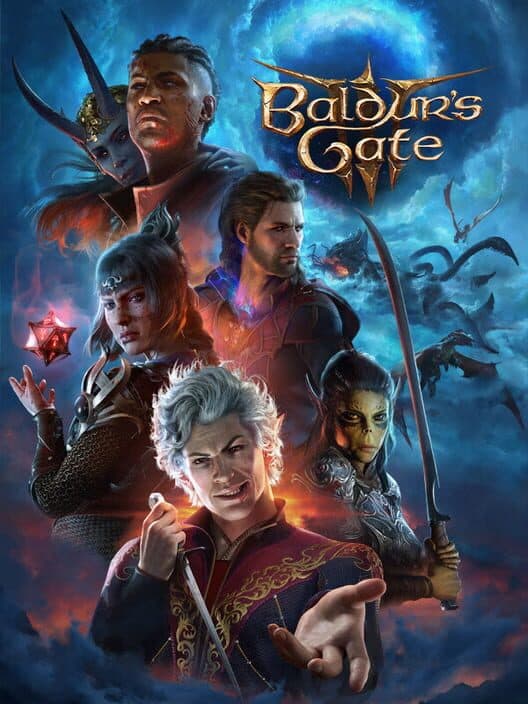
Deep, choice-driven fantasy roleplaying campaign
Long story best spread over weeks
Equally strong solo or full co-op
Baldur’s Gate III is absolutely worth it if you love rich stories, tactical combat, and have room in your life for a long campaign. It asks for steady attention, a willingness to read, and many evenings spread over weeks. In return, you get one of the best fantasy tales in games, full of memorable companions, meaningful choices, and cleverly designed battles. Every level feels impactful, your decisions reshape scenes, and finishing a run feels like closing a beloved novel you helped write. Buy at full price if you enjoy RPGs like Divinity: Original Sin, Dragon Age, or classic Baldur’s Gate and you’re excited by the idea of a 60–90 hour adventure. It’s also a great value if you like replaying with different characters or co-op groups. If you prefer short, low-reading, action-heavy games, or you rarely manage more than an hour a week, this might be better as a “someday on sale” project—or one to admire from afar.

Larian Studios • 2023 • Google Stadia, Xbox Series X|S, PC (Microsoft Windows), PlayStation 5, Mac
Deep, choice-driven fantasy roleplaying campaign
Long story best spread over weeks
Equally strong solo or full co-op
Baldur’s Gate III is absolutely worth it if you love rich stories, tactical combat, and have room in your life for a long campaign. It asks for steady attention, a willingness to read, and many evenings spread over weeks. In return, you get one of the best fantasy tales in games, full of memorable companions, meaningful choices, and cleverly designed battles. Every level feels impactful, your decisions reshape scenes, and finishing a run feels like closing a beloved novel you helped write. Buy at full price if you enjoy RPGs like Divinity: Original Sin, Dragon Age, or classic Baldur’s Gate and you’re excited by the idea of a 60–90 hour adventure. It’s also a great value if you like replaying with different characters or co-op groups. If you prefer short, low-reading, action-heavy games, or you rarely manage more than an hour a week, this might be better as a “someday on sale” project—or one to admire from afar.
When you have a quiet evening with 90–120 minutes free and want to sink into story scenes plus one or two meaningful tactical battles.
When you feel like roleplaying a character over many weeks, making slow, thoughtful choices about morals, relationships, and outcomes rather than blasting through disposable content.
When you and one to three friends can schedule a recurring game night and want a shared, couch-or-online campaign that feels like a long-running tabletop adventure.
A big, multi-week campaign best enjoyed in 60–120 minute sessions, very pause-friendly but harder to return to after long breaks.
Baldur’s Gate III is not a weekend fling; it’s a long-term relationship. One full playthrough with a healthy mix of side quests will usually take 60–90 hours, which for a busy adult means several weeks or even a couple of months. The good news is that the game is extremely friendly to real-life interruptions: you can pause and save almost anywhere, and turn-based combat waits patiently. That makes it easy to slot into 60–120 minute weekday sessions. The main friction is coming back after long gaps. With many overlapping quests, companions, and abilities, returning after a few weeks can feel like opening a dense novel mid-chapter. Co-op adds its own commitment cost: it is wonderful, but coordinating regular sessions with friends can be tricky. For most people, a single, well-paced solo campaign is the sweet spot—big enough to feel like an epic, but finite enough that you can realistically see credits without sacrificing your whole schedule.
Best when you can read, think, and plan in peace, with time to savor dialogue and puzzle through tactical fights at your own pace.
This is a game for evenings when your brain still has some fuel. You’ll be reading a lot of dialogue, weighing conversation options, scanning ability descriptions, and planning your turns in combat. There’s almost no need for fast reactions, but there is a steady stream of decisions to make. Think of it more like sitting down with a chunky fantasy novel and a tactical board game than a quick round of a shooter. You can absolutely pause, get up, and come back mid-fight, which softens the demand on constant attention. However, because your party has many spells, items, and positioning tools, you’ll get the most out of it when you’re not half-watching TV or doomscrolling. A typical 90‑minute session asks you to focus during conversations and battles, then relax a bit while wandering, looting, and managing inventory. If you like slow, thoughtful play where you decide the tempo, this style of focus feels rewarding rather than draining.
Expect a few evenings of learning the rules, then steady, satisfying gains as you discover stronger builds, combos, and encounter tricks.
Learning Baldur’s Gate III feels like joining a tabletop group mid-campaign. Early on, the action economy, advantage rules, and long spell lists can feel like a lot. With a bit of patience, though, the basics settle in within your first 8–15 hours: move, take an action, use high ground, control crowds, and save big spells for key enemies. From there, improvement brings clear rewards. You’ll start building parties that chain status effects, shove enemies into hazards, and open fights on your own terms. On the default difficulty, once you reach basic competence, you can finish the story without min-maxing. Deep mastery—perfect builds, clever item synergies, and airtight tactics—becomes more of a personal hobby than a requirement. That balance makes the game welcoming for busy adults: it asks for a real but reasonable learning phase, then lets you decide how far down the optimization rabbit hole you want to go.
Tense but rarely overwhelming; dramatic choices and tough fights bring spikes of emotion without turning most sessions into white-knuckle endurance tests.
Emotionally, Baldur’s Gate III sits in a middle band. The world is dark, bloody, and sometimes disturbing, and the story asks you to make weighty choices about allies, innocents, and your own corruption. Fights on the standard difficulty can be punishing if you walk in unprepared, and seeing a beloved companion drop to zero health will definitely raise your pulse. At the same time, generous saving, frequent rests, and the option to lower difficulty keep that tension from turning into constant dread. There are also plenty of lighter moments: camp banter, jokes, romance scenes, and absurd combat solutions (like shoving enemies off cliffs) that diffuse stress. This makes it a solid fit for after-work sessions if you like feeling invested but not wrecked. If you are sensitive to gore or heavy themes, you may want to play in shorter chunks or use filters, but mechanically the game gives you many ways to dial down pressure.
Games with a similar rhythm and feel, even if they look different