Ubisoft Entertainment • 2025 • PC (Microsoft Windows), PlayStation 5, Xbox Series X|S
Yes, Anno 117: Pax Romana is worth it if you enjoy turning messy supply lines into a beautiful, efficient city. Its best trick is how every small problem leads to a satisfying fix: one missing good becomes a new workshop, then a cleaner district, then a richer province. The Roman setting helps a lot too. Cities look great, the atmosphere is warm, and active pause makes it easier to fit into weeknight play than most real-time strategy games. Buy at full price if you already know you like builders, logistics games, or earlier Anno titles. Wait for a sale if you mainly want a big story campaign, because the campaign is shorter and lighter than the sandbox that follows, or if you are still cautious about launch-period technical issues on your platform. Skip it if you want low-memory comfort play with almost no planning, or if you hate tracing problems across several linked systems. For the right player, this is a very easy game to lose hours in for all the right reasons.

Ubisoft Entertainment • 2025 • PC (Microsoft Windows), PlayStation 5, Xbox Series X|S
Yes, Anno 117: Pax Romana is worth it if you enjoy turning messy supply lines into a beautiful, efficient city. Its best trick is how every small problem leads to a satisfying fix: one missing good becomes a new workshop, then a cleaner district, then a richer province. The Roman setting helps a lot too. Cities look great, the atmosphere is warm, and active pause makes it easier to fit into weeknight play than most real-time strategy games. Buy at full price if you already know you like builders, logistics games, or earlier Anno titles. Wait for a sale if you mainly want a big story campaign, because the campaign is shorter and lighter than the sandbox that follows, or if you are still cautious about launch-period technical issues on your platform. Skip it if you want low-memory comfort play with almost no planning, or if you hate tracing problems across several linked systems. For the right player, this is a very easy game to lose hours in for all the right reasons.
Players often say a small fix turns into a full evening, as housing upgrades, shortage hunting, and layout cleanup create a powerful one-more-task rhythm.
A common complaint is that the story campaign ends just as the systems start to blossom, leaving players wanting a longer arc with more payoff.
Newer players often welcome the smoother start, while some longtime fans feel the tradeoff leaves the late game lighter than they hoped.
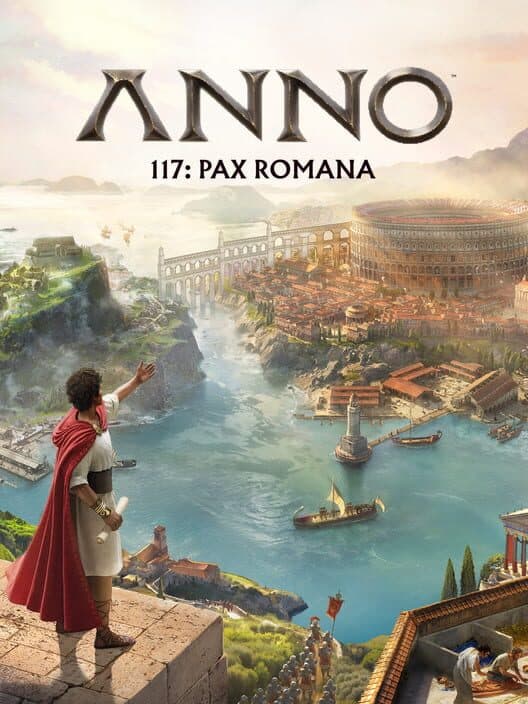
Praise goes beyond raw visuals. Players like how the architecture, color, and atmosphere make each growing settlement feel like a living Roman province.
Players and official patch notes point to real launch friction, including desyncs, save trouble, crashes, and performance hiccups on some setups.
Players often say a small fix turns into a full evening, as housing upgrades, shortage hunting, and layout cleanup create a powerful one-more-task rhythm.
Praise goes beyond raw visuals. Players like how the architecture, color, and atmosphere make each growing settlement feel like a living Roman province.
A common complaint is that the story campaign ends just as the systems start to blossom, leaving players wanting a longer arc with more payoff.
Players and official patch notes point to real launch friction, including desyncs, save trouble, crashes, and performance hiccups on some setups.
Newer players often welcome the smoother start, while some longtime fans feel the tradeoff leaves the late game lighter than they hoped.
Great for hour-long weeknights thanks to pause and quicksaves, but coming back after a week means rebuilding your map of routes and districts.
Anno 117 fits adult schedules better than most real-time strategy games, but it still asks for continuity. The excellent part is session flexibility. You can pause, quicksave, and stop cleanly, and there are frequent short-term goals like housing upgrades, new production chains, or a single province fix that feel satisfying in 60 to 90 minutes. The bigger ask comes between sessions. This is the kind of game where your city remembers everything, so you need to remember it too. After a week away, you may spend ten minutes just rebuilding your mental picture of which island makes pottery, why that ship route exists, or what problem you were solving last time. A complete feeling usually arrives well before endless-mode mastery. Many players will feel satisfied after roughly 20 to 30 hours, once the campaign is done and a stable two-region economy makes sense. After that, the long tail is optional. Solo is the default, so you are not tied to other people's schedules unless you choose co-op.
This is a read-the-city, solve-the-bottleneck game where your mind stays busy, but active pause keeps it thoughtful instead of frantic.
Anno 117 asks for steady attention and a problem-solving mindset. A typical session starts with reading your city like a dashboard, then following one shortage through farms, workshops, storage, roads, and shipping until the whole chain makes sense again. You are almost always comparing cause and effect. Why did income dip? Why are houses unhappy? Why is one island fine while another is starving for goods? That makes it a strong fit if you like planning, tidying, and turning messy systems into clean ones. It is a weaker fit if you want something you can half-watch while doing three other things. The good news is that it rarely asks for fast hands. The game gives you room to stop the clock, think, and make deliberate changes. In return for that mental effort, it delivers one of the best feelings in strategy games: seeing a messy province settle into a smooth, elegant machine because you finally understood what was wrong.
It takes a handful of sessions before the whole machine makes sense, but the game teaches better than older Anno entries and rarely feels cruel.
Anno 117 is medium-hard to learn, but not in a reflex-heavy or punishing way. The challenge comes from understanding how many moving parts connect: homes drive needs, needs drive production, production drives storage and shipping, and every expansion creates new demands somewhere else. The game is friendlier than the series' reputation suggests. Tutorials are stronger, the campaign gives you a guided ramp, and active pause lets you think instead of scramble. That makes the early hours more welcoming than something like Anno 1800, even if it is still more layered than a simpler city builder. Expect a few sessions where you fix one thing only to discover it broke something else. That is normal. The learning process works best when you treat mistakes as useful information, not failure. In exchange for that patience, the game gives you a satisfying sense of growth. By the time trade routes, research, and multi-region logistics finally click, you genuinely feel smarter than when you started.
Most nights feel calm and absorbing, then a fire, raid, or cash spiral briefly wakes you up before the game lets you think it through.
This is much closer to a calming builder than a white-knuckle strategy game. Most of the time, Anno 117 feels meditative: roads go down, districts fill in, numbers stabilize, and a rough settlement slowly starts looking prosperous. Even when problems appear, the usual response is not panic. It is diagnosis. You pause, inspect the chain, and decide what to change. That keeps the emotional pressure lower than the genre label might suggest. The sharper moments come from cascading failures. A shortage can spread. A fire can hit the wrong area. Money trouble can make the whole city feel fragile for a few minutes. Those spikes are real, but they are short and usually manageable. So the game offers good stress more than bad stress. It gives you just enough pressure to make a fix feel meaningful, without living in constant crisis mode. If you want a tense evening, this probably will not be your pick. If you want calm concentration with occasional jolts, it lands nicely.
Games with a similar rhythm and feel, even if they look different