Sega • 2024 • Xbox Series X|S, PlayStation 4, Nintendo Switch 2, PC (Microsoft Windows), PlayStation 5, Xbox One
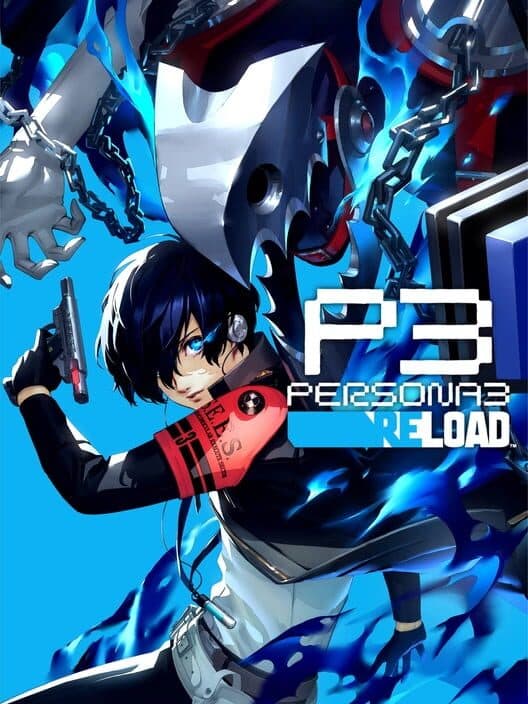
Persona 3 Reload
Sega • 2024 • Xbox Series X|S, PlayStation 4, Nintendo Switch 2, PC (Microsoft Windows), PlayStation 5, Xbox One
Is Persona 3 Reload Worth It?
Yes. If you want a stylish, emotionally heavy slow burn, Persona 3 Reload is worth your time. Its best qualities are the ones that build over many sessions: a cast you grow attached to, music and menus with real personality, and a daily routine that turns small choices into meaningful payoff. For the right player, few games make an ordinary calendar feel this purposeful. What it asks from you is patience and consistency. The opening is deliberate, the main dungeon can feel repetitive, and the full journey is long enough that you really want regular sessions instead of random dabbling. Buy at full price if you enjoy story-rich games, turn-based combat, and planning your time. Wait for a sale if repetitive dungeon climbing or slow starts usually wear you down. Skip it if you want fast action, save-anywhere freedom, or a compact experience you can finish in a few weekends. For players who click with its mood, though, the payoff is memorable and hard to replace.
What is Persona 3 Reload like?
Opinions of Persona 3 Reload
What Players Love
- Players Love
The story and friendships leave a lasting emotional mark
Players often say the cast chemistry and themes of mortality, friendship, and memory are what stay with them long after the credits roll.
- Players Love
The presentation overhaul makes the whole journey easier to love
Updated menus, animation, music treatment, and overall style are widely praised for making this version feel polished and welcoming without losing personality.
- Players Love
Combat feels smoother thanks to smart quality-of-life updates
Players frequently call out faster battle flow, cleaner menus, and less friction in party and dungeon management, especially compared with older releases.
Common Concerns
- Common Concern
Tartarus can feel repetitive across such a long campaign
Even fans often say the main dungeon shows its age, with long stretches of similar procedural floors that can wear thin over dozens of hours.
- Common Concern
The opening months take time before momentum really builds
A noticeable group of players say the early game leans heavily on routine, setup, and slower progress before the story and systems fully click.
Divisive Aspects
- Divisive
Newcomers love the polish, some veterans miss older roughness
Many new players prefer the cleaner, friendlier version, while some returning fans feel parts of the original mood, balance, or edge were softened.
What does Persona 3 Reload demand from you?
Time
HIGHTime
It pauses well in the moment, but the full journey is long, best in hour-long chunks, and a little awkward to jump back into weeks later.
Focus
MODERATEFocus
Most of the time you're reading, planning, and picking your next best move, not reacting fast, but this still isn't a good second-screen game.
Challenge
MODERATEChallenge
The first hours are a slow build, then the systems click and the game becomes a satisfying rhythm of smart planning, weakness hunting, and gradual build-making.
Intensity
LOWIntensity
It feels more moody and heavy than frantic, with calm school days broken up by darker story beats and boss fights that actually matter.
Frequently Asked Questions
You Might Also Like
Games with a similar rhythm and feel, even if they look different