Powered by IGDB•Privacy•Terms

© 2026 Slated.gg

Slated.gg
Popular GamesAbout

Wasteland 2

Deep Silver • 2014 • PlayStation 4, Linux, PC (Microsoft Windows), Mac, Xbox One
Great solo experienceStory-driven

Is Wasteland 2 Worth It?

Wasteland 2 is worth it if you crave a deep, old-school role-playing game that values planning and meaningful choices over flashy action. It asks for patience with reading, a willingness to manage a full squad of characters, and a long-term commitment to a 40–60 hour campaign. In return, it gives you tense tactical battles, a reactive world that remembers your decisions, and the satisfaction of watching a ragtag team grow into seasoned Rangers. The game shines for players who grew up on classic isometric RPGs or anyone curious about that style and ready to push through a slightly clunky interface. If you only have energy for quick, low-effort sessions, or you dislike heavy text and menus, it will probably feel like work instead of fun. For fans of tactical, narrative-rich RPGs, buying at full price is easy to justify; everyone else might want to watch some gameplay, then pick it up on sale when they’re ready for a bigger commitment.

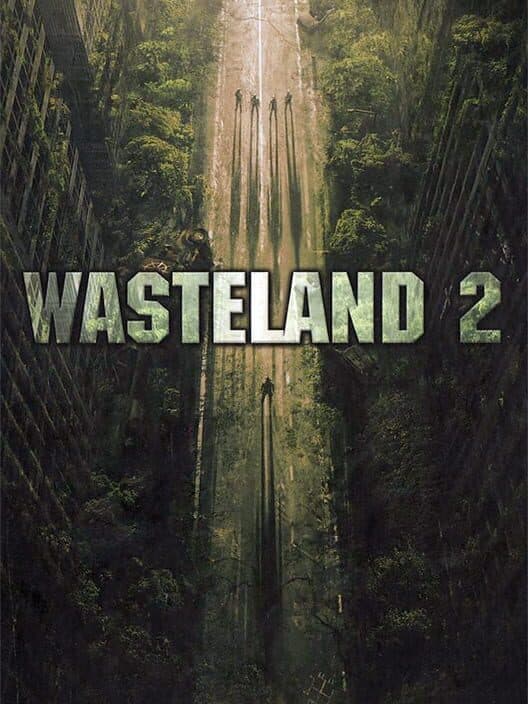
Wasteland 2 cover art

Wasteland 2

Deep Silver • 2014 • PlayStation 4, Linux, PC (Microsoft Windows), Mac, Xbox One

Great solo experienceStory-driven

Is Wasteland 2 Worth It?

Wasteland 2 is worth it if you crave a deep, old-school role-playing game that values planning and meaningful choices over flashy action. It asks for patience with reading, a willingness to manage a full squad of characters, and a long-term commitment to a 40–60 hour campaign. In return, it gives you tense tactical battles, a reactive world that remembers your decisions, and the satisfaction of watching a ragtag team grow into seasoned Rangers. The game shines for players who grew up on classic isometric RPGs or anyone curious about that style and ready to push through a slightly clunky interface. If you only have energy for quick, low-effort sessions, or you dislike heavy text and menus, it will probably feel like work instead of fun. For fans of tactical, narrative-rich RPGs, buying at full price is easy to justify; everyone else might want to watch some gameplay, then pick it up on sale when they’re ready for a bigger commitment.

When is Wasteland 2 at its best?

When you have a quiet evening and 90 minutes free, and you’re in the mood to sink into reading-heavy, tactical gameplay instead of fast action or casual distraction.

On a rainy weekend afternoon where you can play a longer stretch, slowly clearing a town, resolving its major quests, and enjoying the feeling of reshaping a struggling community.

During a period when you want one main game to live in for a few weeks, checking in most nights for a chapter of grim, choice-driven storytelling.

What is Wasteland 2 like?

Commitment

HIGH

Commitment

This is a many-week journey with flexible stopping points, great for regular 60–90 minute sessions but harder to enjoy in short, sporadic bursts.

HIGH

Wasteland 2 is a big, slow-burn campaign rather than a quick weekend fling. A single playthrough of Arizona and California will usually take a busy adult several weeks of 60–90 minute sessions. There are no fixed mission timers, and you can save almost anywhere outside combat, so it’s very friendly to pausing and stopping whenever real life calls. What it doesn’t do is hand you perfect, bite-sized chapters; quests often sprawl across multiple locations, and dungeons can spill over several evenings. The story is mostly linear but with lots of side paths, so you choose how deep to go rather than being pushed through all content. If you step away for a couple of weeks, expect to spend part of your return session re-reading logs and remembering who everyone is. This is a game to live with for a season, not something you knock out between other big releases.

Tips

  • Plan to tackle one clear objective per session—finishing a location, resolving a quest chain, or clearing a tough fight—so progress feels tangible even with limited time.
  • Always stop in a safe area after updating your quest log; returning later will be much easier than loading into the middle of a dungeon.
  • If you’ve been away for a while, spend your first 15 minutes just reading logs, checking builds, and walking around a hub to reacquaint yourself.

Focus

MODERATE

Focus

Expect long stretches of reading, planning, and juggling party details, with few demands on reflexes but plenty of demands on your attention and patience.

MODERATE

This is a very thinky game that expects you to read carefully, plan ahead, and juggle several overlapping priorities at once. In a typical session you are tracking quests, party skills, ammo, positioning, and future build plans, often all within the same area. During battles you are deciding where to move each ranger, who to target, when to use special shots, and how to avoid friendly fire. Outside combat you’re scanning the screen for traps and loot, choosing which skill to use on each obstacle, and parsing long, branching dialogues. There is no real-time pressure, so you can take as long as you want on each choice and pause whenever life intrudes. That means it suits players who enjoy slow, deliberate problem-solving more than those who want fast, reactive action. You generally can’t half-watch a show or carry a deep conversation while playing; the text and tactical details deserve your full attention when you’re actively progressing.

Tips

  • Before ending a session, quickly jot a note in the quest log or a notepad about where you are headed next and why.
  • Limit yourself to a few core skills per character so you have less to mentally track during each fight and conversation.
  • Play when you can concentrate for at least an hour; save lighter, more distracted evenings for games that require less reading.

Mastery

MODERATE

Mastery

You’ll spend several evenings learning the systems, and each step of improvement makes the campaign noticeably smoother and more satisfying to play.

MODERATE

Learning Wasteland 2 takes some commitment, but it’s not an impenetrable wall. Expect the first several hours to feel like school: you’re discovering which skills matter, how action points work, and why cover and elevation are so important. Once those basics click, the game settles into a comfortable rhythm where you understand the tools, but are still improving how you use them. Building an effective squad, planning complementary skills, and learning enemy behaviors all noticeably change how smooth the campaign feels. Early on you might scrape through every fight and constantly run out of supplies; later those same types of encounters become almost routine because you’re positioning better and using abilities wisely. The payoff for improving is real, but you don’t need to be a min-maxing expert to finish a run. For a busy adult, it rewards gradual improvement across many evenings rather than demanding constant, razor-sharp execution.

Tips

  • On your first run, follow a simple build guide for broad roles like sniper, medic, and face to avoid painful early mistakes.
  • After each tough encounter, briefly ask yourself what went wrong—positioning, target choice, or skills—and adjust rather than immediately reloading and repeating.
  • Resist the urge to spread points thinly; specializing each ranger in a couple of areas makes later mastery feel far more rewarding.

Intensity

MODERATE

Intensity

Tension comes from tough choices, scarce resources, and the risk of losing characters, not from frantic action, so it feels weighty rather than heart-pounding.

MODERATE

Despite its grim setting, this isn’t a scream-at-the-TV kind of game. Most tension comes from slow-burning pressure: running low on ammo, limping through a long dungeon, or realizing a bad choice may doom a settlement. Fights are turn-based, so your heart rate usually rises more from anticipation than from sudden panic. Mistakes can still sting, especially if a beloved ranger dies or a town you meant to save is overrun, but you almost always had time to see the danger coming. On default difficulty it sits in the medium-hard band: careless play gets punished, yet a thoughtful approach, frequent saving, and occasional difficulty tweaks keep things manageable. Sessions can feel weighty and mentally tiring, but rarely frantic or overwhelming. It’s better suited to evenings when you have the emotional bandwidth for serious decisions and rough outcomes, not nights when you’re already stressed and just want something completely gentle.

Tips

  • Use manual saves before big choices or tough fights so you can undo outcomes that feel more draining than exciting.
  • If combat or losses start to feel punishing instead of fun, drop the difficulty a notch; the story and choices remain intact.
  • Take short breaks between major fights or dark story beats to reset emotionally, especially on days when real-life stress is already high.

Frequently Asked Questions

You Might Also Like

Games with a similar rhythm and feel, even if they look different
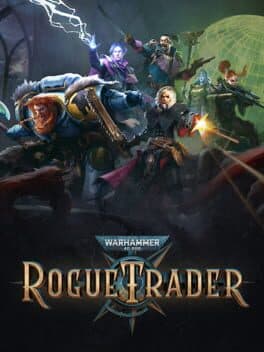
Warhammer 40,000: Rogue Trader game cover art
Great solo experienceStory-driven

Warhammer 40,000: Rogue Trader

Commitment
HIGH
Focus
MODERATE
Mastery
MODERATE
Intensity
MODERATE
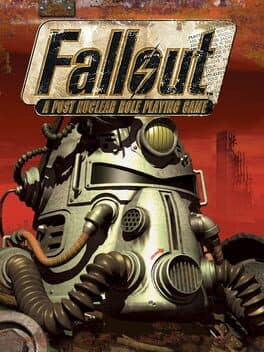
Fallout: A Post Nuclear Role Playing Game game cover art

Fallout: A Post Nuclear Role Playing Game

Commitment
MODERATE
Focus
MODERATE
Mastery
MODERATE
Intensity
MODERATE
Fallout 2 Remake game cover art
Story-driven

Fallout 2 Remake

Commitment
MODERATE
Focus
MODERATE
Mastery
MODERATE
Intensity
LOW
Wasteland 3 game cover art
Great solo experienceStory-driven

Wasteland 3

Commitment
HIGH
Focus
MODERATE
Mastery
MODERATE
Intensity
MODERATE
Fallout 2 game cover art
Story-driven

Fallout 2

Commitment
MODERATE
Focus
MODERATE
Mastery
MODERATE
Intensity
MODERATE
Octopath Traveler game cover art

Octopath Traveler

Commitment
MODERATE
Focus
LOW
Mastery
MODERATE
Intensity
LOW
← Back to Home