Owlcat Games • 2023 • Xbox Series X|S, Nintendo Switch 2, PC (Microsoft Windows), PlayStation 5, Mac
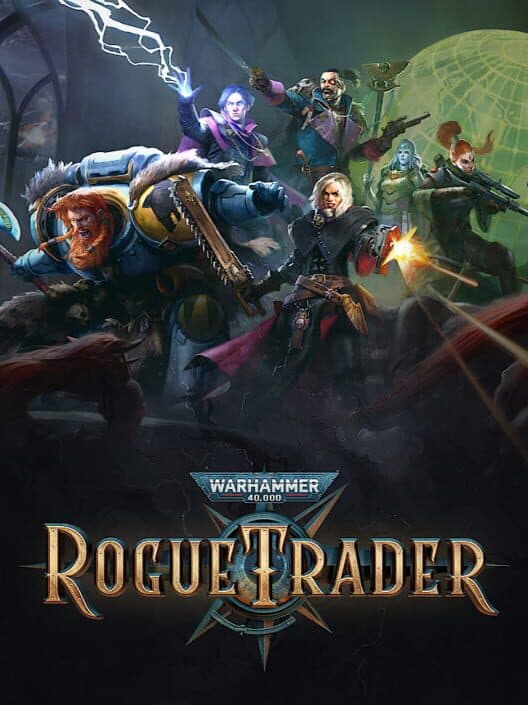
Warhammer 40,000: Rogue Trader
Owlcat Games • 2023 • Xbox Series X|S, Nintendo Switch 2, PC (Microsoft Windows), PlayStation 5, Mac
Is Warhammer 40,000: Rogue Trader Worth It?
Yes, Warhammer 40,000: Rogue Trader is worth it if you want a big, choice-heavy campaign and you enjoy reading, planning, and living with the consequences of your calls. Its best stuff is special: a nasty, convincing 40K atmosphere, companions with strong personalities, and the rare feeling that your version of the captain actually shapes the journey. Combat is thoughtful rather than fast, and when a build clicks, hard fights feel earned. The trade is time and mental energy. This is a long game, the menus are dense, and the launch-era bug reputation still hangs over it even though updates improved the experience. Buy at full price if you already love party-based role-playing games, turn-based tactics, or Warhammer's grim tone. Wait for a sale if you are curious but wary of heavy reading, UI sprawl, or technical roughness. Skip it if you want breezy action, lighthearted downtime, or something that is easy to drop for weeks and instantly remember.
What is Warhammer 40,000: Rogue Trader like?
Opinions of Warhammer 40,000: Rogue Trader
What Players Love
- Players Love
The 40K atmosphere feels rich, cruel, and authentic
Players repeatedly praise how fully the game sells the setting's scale, fanaticism, and cruelty. Even people mixed on the systems often love simply being in this world.
- Players Love
Companions and captain choices react in satisfying ways
Companions have strong voices, and captain choices usually feel acknowledged in later scenes. Many players say the game captures the joy of shaping a distinct ruler.
- Players Love
Tactical battles reward planning once the systems click
Fans of dense turn-based combat enjoy the layered talents, status effects, and party synergies. Battles become especially satisfying once careful sequencing starts paying off.
Common Concerns
- Common Concern
Bugs and rough edges still shadow its reputation
Quest bugs, broken abilities, and stability issues shaped early impressions across platforms. Patches helped, but technical trust still comes up as a common warning.
- Common Concern
Dense menus and late-game sprawl can exhaust players
Players often call out overwhelming build screens, busy menus, and later acts that run too long. The depth is real, but so is the fatigue it can create.
Divisive Aspects
- Divisive
Voidship combat adds flavor but splits opinions sharply
Some players enjoy the added command fantasy and pace change of ship battles. Others feel this subsystem is slower and less refined than the stronger ground missions.
What does Warhammer 40,000: Rogue Trader demand from you?
Time
HIGHTime
Short sessions work surprisingly well, yet one full captain story still takes weeks and long breaks make the return trip awkward.
Focus
MODERATEFocus
Read every tooltip, plan every turn, and do not expect a great second-screen experience even though the game never asks for fast hands.
Challenge
HIGHChallenge
You can learn the basics fast, but real comfort comes slowly as build systems, talent trees, and party synergies finally make sense.
Intensity
MODERATEIntensity
The pressure comes from grim choices and long tactical fights, not adrenaline spikes, so it feels heavy and draining more often than panicky.
Frequently Asked Questions
You Might Also Like
Games with a similar rhythm and feel, even if they look different