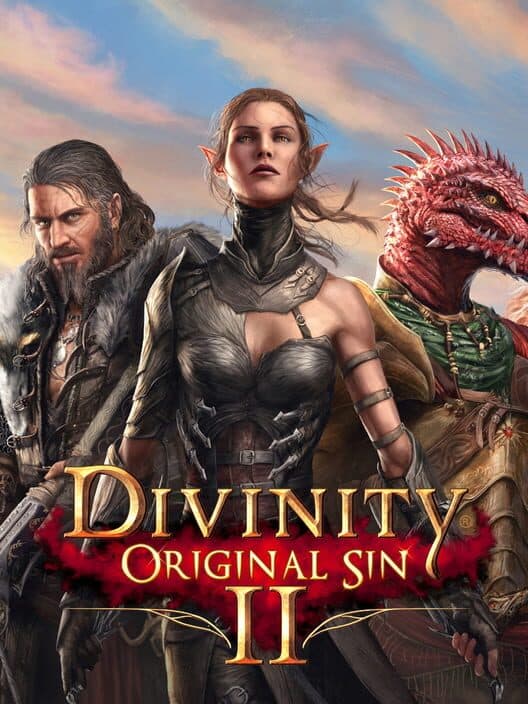
Divinity: Original Sin II

Larian Studios2017PlayStation 4, PC (Microsoft Windows), iOS, Mac, Xbox One
Deep, choice-driven fantasy RPG with turn-based battles

Long story campaign suited to multi-week play

Great solo, fantastic if schedules allow co-op

Is Divinity: Original Sin II Worth It?

Divinity: Original Sin II is worth it if you want a deep, thoughtful role-playing game you can live in for weeks. It asks for time, reading, and genuine mental effort, but pays you back with some of the best tactical battles and reactive storytelling around. You’ll build a four-person party, experiment with skills and terrain, and slowly feel yourself turn from overwhelmed to brilliantly in control. The campaign is long, so this works best as your “main game” for a while rather than something you dip into between other big titles. If you love turn-based combat, choices that actually matter, and don’t mind lots of text, it’s absolutely worth buying at full price. If you’re curious but unsure about the length or challenge, it’s a great pick on sale when you know you have a quieter month. Skip it for now if you mostly want quick, low-effort sessions or strongly prefer fast-paced real-time action over planning and reading.

When is Divinity: Original Sin II at its best?

You’ve got a relaxed weekend evening with 90–120 minutes free and want to sink into one big tactical fight plus meaningful story and character progress.

You and one close friend can reliably meet online once a week, enjoying the slow burn of debating story choices and coordinating elaborate combat setups together.

You’re between shorter games and in the mood for a single, rich RPG to live in for a month or two, treating it like your main entertainment focus.

What is Divinity: Original Sin II like?

This is a sizeable project, closer to a long fantasy novel than a weekend popcorn movie. A single, satisfying playthrough usually runs 50–80 hours, which for many adults means several weeks or a couple of months of regular play. The good news is that the game is very friendly to real-life interruptions: you can pause anytime, save almost anywhere, and wrap up sessions after a fight, a quest step, or a bit of exploration. Sessions of 60–120 minutes work well. The main downside is continuity. With many overlapping quests, characters, and builds, coming back after a long break can feel disorienting; you may need a “re-onboarding” session just to remember what you were doing. Co-op is fantastic but requires coordinating that whole timeline with friends, which can be tough. If you can carve out steady weekly time, the campaign feels like a rewarding long-term hobby; if not, consider treating it as a game you commit to for a season, not something you constantly bounce in and out of.

Tips

  • Think of it as a multi-week book club with yourself: plan when you’ll focus on it instead of juggling too many other big games.
  • Use descriptive save names or notes like “Before Blackpits fight” to make returning after breaks much smoother.
  • If co-op scheduling is hard, play solo first; save the shared run for a time when regular sessions are realistic.

This is a “sit up and think” kind of game. You’re not reacting to split-second prompts, but you are constantly reading, planning, and weighing options for a whole party. Fights feel like elaborate puzzles, where you consider armour types, elevations, surfaces, and turn order before committing. Outside combat, dense dialogue and interlocking quests ask you to pay attention to names, clues, and consequences. The upside is that you’re rarely bored; there’s almost always an interesting decision in front of you. The tradeoff is that it’s hard to play on mental autopilot or while truly multitasking. You can pause freely and nothing is time-critical, so interruptions are no big deal, but meaningful progress wants a reasonably clear head. If you enjoy chewing on problems and don’t mind lots of reading, the game rewards your attention with satisfying “aha” moments in both story and combat.

Tips

  • Schedule sessions when you’re at least somewhat fresh; tackling big fights while exhausted can turn smart puzzles into frustrating slogs.
  • Use quicksaves before major conversations or battles so you feel freer to experiment with risky decisions or creative tactics.
  • Keep brief handwritten or digital notes on key quests and NPCs; it reduces mental load when you return after a few days away.

Learning how this game works takes some commitment. Early on you’ll bump into strange armour rules, deadly elemental surfaces, and enemies that seem unfairly strong. Expect the first 10–15 hours to be a genuine learning phase where you’re reading tooltips, rethinking builds, and occasionally reloading after nasty surprises. The good news is that once the basics click, everything starts to feel more under your control. As you experiment with skill combinations and party roles, the combat system opens up in a big way. Encounters that once felt impossible become opportunities to set up elaborate chains: teleporting enemies into fire, stripping armour just in time for a stun, or coordinating summons. The game rewards curiosity and experimentation more than twitch reflex. You don’t need to min-max like a guide writer to succeed, but putting in some thought pays off with a powerful feeling of “I outsmarted that” rather than “I just out-levelled it.”

Tips

  • Aim for broad, simple builds on your first run—clear party roles beat hyper-optimized niche combos while you’re still learning.
  • When a fight feels impossible, reassess gear, skills, and positioning rather than just reloading and repeating the same plan.
  • Don’t fear respeccing once it unlocks; treating early choices as experiments makes the learning phase less stressful.

The emotional temperature here sits in a “serious but manageable” zone. Classic difficulty can absolutely punish sloppy play, and a long fight that suddenly turns against you will make you lean forward. However, because everything is turn-based, you rarely feel physically rattled or panicked. You can always pause, think, and reconsider. The story explores heavy themes—slavery, fanaticism, brutal violence—but it also injects plenty of dark humour and absurd situations to keep things from feeling relentlessly grim. Expect moments of tension, frustration after a wipe, and genuine concern for characters you’ve invested in, rather than constant adrenaline spikes. If you’re coming from ultra-chill games, the first dozen hours may feel like a step up in pressure. If you’re used to twitchy shooters or souls-likes, it’ll feel intense mentally but much calmer in your body. You’re in control of the pacing, and switching to the easier mode can significantly smooth out the roughest edges.

Tips

  • If repeated wipes start to feel draining, drop difficulty for a while; it’s better than burning out and quitting entirely.
  • Treat big story choices like slow TV episodes: take a breath, maybe stop after a major decision to let it emotionally land.
  • On stressful days, focus on lighter tasks like shopping, crafting, or easy side quests instead of diving into major boss fights.

Frequently Asked Questions