Versus Evil • 2018 • PlayStation 4, Linux, PC (Microsoft Windows), Mac, Xbox One, Nintendo Switch
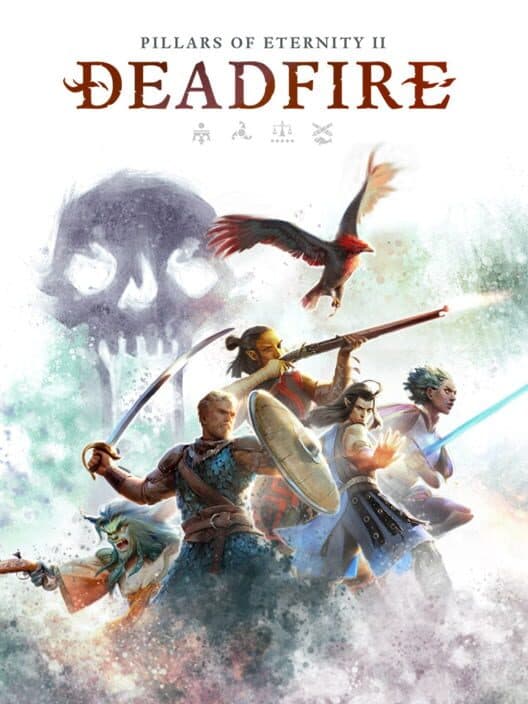
Pillars of Eternity II: Deadfire
Versus Evil • 2018 • PlayStation 4, Linux, PC (Microsoft Windows), Mac, Xbox One, Nintendo Switch
Is Pillars of Eternity II: Deadfire Worth It?
Pillars of Eternity II: Deadfire is worth it if you love rich writing, party tactics, and role-playing choices that actually change relationships and outcomes. Deadfire is at its best on PC for players who enjoy settling in for a long, thoughtful campaign and don't mind reading a lot. What makes it special is the mix of sharp companion writing, morally messy faction politics, and pausable battles that reward planning over reflexes. It asks for patience up front, though. The opening hours are dense, the interface is busy, and coming back after a long break takes a little mental reboot. Buy at full price if you already know you enjoy classic party-based RPGs or games like Dragon Age: Origins and Divinity: Original Sin 2. Wait for a sale if you're curious but unsure about the heavy text, slower start, or platform performance outside PC. Skip it if you want fast action, light menus, or a story that drives harder than its side content.
What is Pillars of Eternity II: Deadfire like?
Opinions of Pillars of Eternity II: Deadfire
What Players Love
- Players Love
Faction politics and companions make the world feel alive
Players consistently praise the morally gray factions, strong companion banter, and the way your choices reshape relationships, loyalties, and final outcomes.
- Players Love
Class building and party combat reward careful planning
Multiclass options, party setups, and pausable encounters give planners a lot to chew on. Fans love solving fights through synergy, counters, and smart positioning.
Common Concerns
- Common Concern
Main story feels less compelling than the side content
A common complaint is that the central chase lacks the pull of companion quests and faction arcs, so the game often feels best when you ignore its stated urgency.
- Common Concern
Ship combat sounds exciting but often feels shallow
Many players enjoy sailing between islands more than the naval battles themselves. Sea encounters are often seen as repetitive and much thinner than the on-foot adventure.
- Common Concern
Some versions suffer from load times and awkward controls
PC feedback is usually stronger. On some console versions, long loading, unstable performance, and a UI built for mouse control can get in the way.
Divisive Aspects
- Divisive
Turn-based mode helps readability but can drag battles
For some players, turn-based combat makes every choice clearer and more approachable. Others feel it stretches encounters that were originally paced for pausing in real time.
What does Pillars of Eternity II: Deadfire demand from you?
Time
HIGHTime
It pauses and saves beautifully, but the campaign is long, self-directed, and a little sticky to rejoin after time away.
Focus
HIGHFocus
Most sessions are spent reading, planning, and pausing fights to guide six characters, with very little need for quick hands but lots of attention.
Challenge
HIGHChallenge
The learning wall comes from understanding party systems and build logic, and once that clicks the game feels far more manageable.
Intensity
MODERATEIntensity
Serious and weighty without being nerve-shredding, with combat setbacks and political choices that matter more to your brain than your pulse.
Frequently Asked Questions
You Might Also Like
Games with a similar rhythm and feel, even if they look different