Square Enix • 2025 • Xbox Series X|S, PlayStation 4, Nintendo Switch 2, PC (Microsoft Windows), PlayStation 5, Nintendo Switch
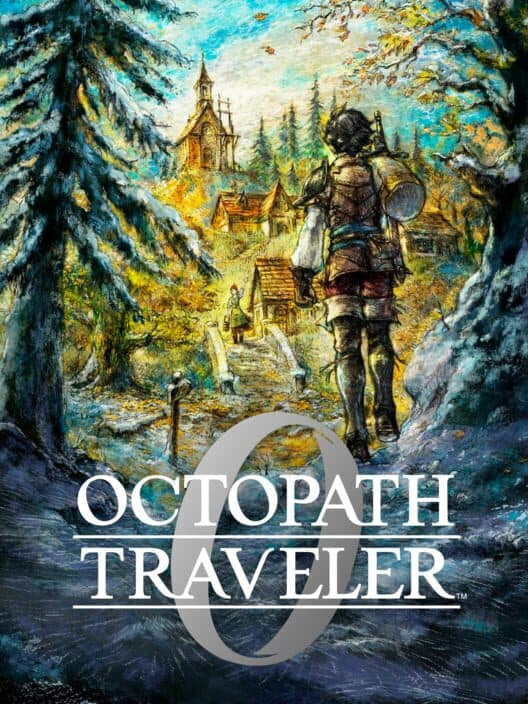
Octopath Traveler 0 is worth it if you want a long, strategic JRPG you can sink into for weeks. It delivers three big things: excellent turn-based combat, a surprisingly emotional revenge-and-restoration story, and a cozy town-building layer centered on rebuilding Wishvale. In return, it asks for real time: expect 60–80 hours for a satisfying run, plenty of reading, and a tolerance for random encounters and some pacing bloat from its mobile roots. If you enjoy planning party setups, experimenting with jobs and skills, and watching a hub town slowly come back to life, this will hit very sweet spots. Audio issues and occasional stutter can be annoying, but they rarely break the experience. Buy at full price if you already like Octopath or classic JRPGs and you’re excited by the town-building hook. Wait for a sale if you’re curious but unsure about the length or repetition. Skip it if you dislike turn-based combat, dark themes, or anything longer than a 25–30 hour story.

Square Enix • 2025 • Xbox Series X|S, PlayStation 4, Nintendo Switch 2, PC (Microsoft Windows), PlayStation 5, Nintendo Switch
Octopath Traveler 0 is worth it if you want a long, strategic JRPG you can sink into for weeks. It delivers three big things: excellent turn-based combat, a surprisingly emotional revenge-and-restoration story, and a cozy town-building layer centered on rebuilding Wishvale. In return, it asks for real time: expect 60–80 hours for a satisfying run, plenty of reading, and a tolerance for random encounters and some pacing bloat from its mobile roots. If you enjoy planning party setups, experimenting with jobs and skills, and watching a hub town slowly come back to life, this will hit very sweet spots. Audio issues and occasional stutter can be annoying, but they rarely break the experience. Buy at full price if you already like Octopath or classic JRPGs and you’re excited by the town-building hook. Wait for a sale if you’re curious but unsure about the length or repetition. Skip it if you dislike turn-based combat, dark themes, or anything longer than a 25–30 hour story.
Many players call the expanded Break and Boost system, front and back rows, and mix-and-match jobs and skills the best combat in the series and a constant highlight across the campaign.
A noticeable chunk of players report compressed English voices, uneven volume, and awkward mixing, enough that some switch to Japanese audio or rely on subtitles to reduce annoyance.
Fans celebrate having a 60–100 hour epic, while others feel midgame chapters and town tasks drag, pointing to leftover mobile-era structure as a source of fatigue and bloat.
Recruited residents, new buildings, and visual changes make restoring Wishvale feel like a heartfelt core feature, with clear bonuses that feed back into combat, resources, and long-term progression.
On some setups, especially PS5 and heavily built towns, brief freezes during autosaves and minor scaling issues interrupt the flow, even though they rarely lead to crashes or real loss of progress.
Many players call the expanded Break and Boost system, front and back rows, and mix-and-match jobs and skills the best combat in the series and a constant highlight across the campaign.
Recruited residents, new buildings, and visual changes make restoring Wishvale feel like a heartfelt core feature, with clear bonuses that feed back into combat, resources, and long-term progression.
A noticeable chunk of players report compressed English voices, uneven volume, and awkward mixing, enough that some switch to Japanese audio or rely on subtitles to reduce annoyance.
On some setups, especially PS5 and heavily built towns, brief freezes during autosaves and minor scaling issues interrupt the flow, even though they rarely lead to crashes or real loss of progress.
Fans celebrate having a 60–100 hour epic, while others feel midgame chapters and town tasks drag, pointing to leftover mobile-era structure as a source of fatigue and bloat.
A long, many-week campaign best tackled in 60–90 minute chunks, with flexible pausing but some effort needed when returning after time away.
This is a classic big JRPG commitment. For most adults playing a few evenings a week, finishing the main arcs, rebuilding Wishvale to a satisfying state, and seeing the finale will take at least a month or two. The good news is that it breaks down well into sessions: chapters, dungeons, and town tasks give you clear short-term goals, and you can pause or walk away almost anytime. Save points and autosaves are frequent, but not constant, so you’ll want to duck into a monument before long dungeons or late-night boss attempts. Returning after a couple of weeks off can be rough, since you’re juggling several storylines, an eight-person party, and a customized town; expect a reorientation period. Everything is strictly solo, so there are no social schedules or raid nights to manage. If you’re okay with a long, steady project you chip away at over many evenings, it fits nicely into a busy life.
Strategic, menu-driven battles and lots of reading, but almost no reflex pressure and plenty of chances to pause or glance away.
Octopath Traveler 0 leans heavily on thoughtful attention rather than fast reactions. In a typical night you’ll spend time reading dialogue, scanning quest logs, and then diving into turn-based battles where you’re tracking weaknesses, turn order, and your front and back rows. It’s the kind of game where your brain is ticking away on decisions, but the pace is gentle enough that you can put the controller down, grab a drink, or check your phone without anything terrible happening. Random encounters demand some light planning; bosses ask you to really focus and think a few turns ahead. Outside of combat, town management and Path Actions add more choices but very little urgency. For a busy adult, this means it’s mentally engaging without being draining. You’ll want to play it on evenings when you have a little energy left to think, but you don’t need the same locked-in concentration as a real-time action game.
Takes a few evenings to learn, and improving your understanding of jobs and Break timing noticeably makes the whole adventure smoother.
Octopath Traveler 0 doesn’t slam you with complexity all at once, but it does have a lot of layers. Within an hour or two you’ll know how to attack, defend, and break enemy shields. Over the next several evenings you’ll gradually understand how the front and back rows interact, how to juggle Boost Points, and which Path Actions and jobs suit your style. Reaching that comfort zone takes some time, especially if you’re new to JRPGs, but the game is generous while you’re learning. The real payoff comes later: as you master enemy patterns and party synergies, tough chapters that once demanded grinding become manageable puzzles. You’ll feel yourself getting faster and more efficient, not just stronger. For a busy adult, it’s a nice balance: there’s enough depth to reward sticking with it, but you don’t need to dedicate your life to memorizing obscure tricks or technical inputs to enjoy the journey.
Dark themes and tense boss fights create moderate emotional weight, but generous retries and turn-based pacing keep stress at a manageable level.
Although Octopath Traveler 0 goes to some very dark places in its story, the way you actually play it is relatively calm. Battles are turn-based, so there’s no need to dodge at the last second or react to sudden surprises. The tension mostly comes from planning: deciding whether you can survive the next big hit or need to defend and heal. Bosses can feel intense when you’re close to a wipe, but even then you’re thinking, not panicking. When you lose, you usually just retry from a nearby monument with everything intact, which keeps frustration in check. The emotional weight is more about themes—revenge, cult cruelty, exploitation—than jump scares or constant danger. For a tired adult, this means sessions can feel serious and sometimes heavy, but rarely overwhelming. It’s a good fit if you want something emotionally engaging and moderately challenging without the spike of a horror game or the pressure of hard action combat.
Games with a similar rhythm and feel, even if they look different