Square Enix • 2023 • Xbox Series X|S, PlayStation 4, PC (Microsoft Windows), PlayStation 5, Xbox One, Nintendo Switch
Octopath Traveler II
Square Enix • 2023 • Xbox Series X|S, PlayStation 4, PC (Microsoft Windows), PlayStation 5, Xbox One, Nintendo Switch
Is Octopath Traveler II Worth It?
Yes, Octopath Traveler II is worth it if you want a long, thoughtful adventure that makes turn-based combat feel fresh again. Its biggest strengths are easy to spot: beautiful HD-2D visuals, an outstanding soundtrack, and battles that reward smart timing instead of quick fingers. It also fits weeknight play better than many big Japanese role-playing games because chapters, towns, and dungeon save points give you regular places to stop. What it asks from you is patience with repetition and a real taste for menus, reading, and party setup. The eight-character structure means the story is more like several smaller arcs than one tightly bonded team drama, and random encounters can wear you down if you dislike classic JRPG rhythms. Buy at full price if smart combat and gorgeous presentation are enough to carry a 50-plus hour journey. Wait for a sale if you like the style but worry about grind or story fragmentation. Skip it if you want fast action or one strongly unified narrative.
What is Octopath Traveler II like?
Opinions of Octopath Traveler II
What Players Love
- Players Love
Break and Boost combat stays satisfying all game
Players consistently praise how enemy weaknesses, shield breaks, and saved Boost points make even regular fights feel more thoughtful than standard menu battles.
- Players Love
HD-2D art and music leave a lasting impression
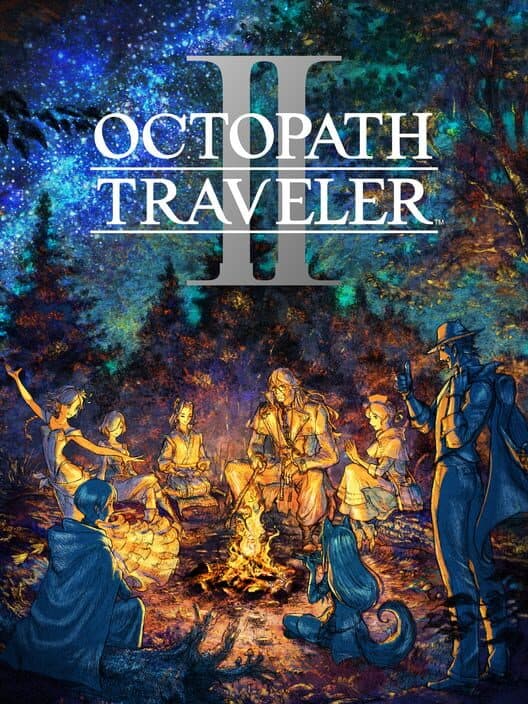
The lighting, pixel art, battle effects, and especially the soundtrack are repeatedly highlighted as major reasons the adventure feels rich and memorable.
- Players Love
Chapter structure fits shorter weeknight sessions well
Many players like that a night of play can still feel productive, whether you clear a chapter segment, recruit someone new, or finish a town-dungeon-boss loop.
Common Concerns
- Common Concern
Eight separate stories can feel emotionally disconnected
A common complaint is that the travelers sometimes feel like parallel leads sharing space rather than one tightly bonded party, which weakens the bigger journey for some.
- Common Concern
Repeated chapter rhythms and encounters may cause fatigue
Some players enjoy the classic loop less over time, pointing to frequent battles, familiar chapter pacing, and occasional leveling or setup before tougher fights.
Divisive Aspects
- Divisive
Main path feels fair, optional fights spike sharply
Players often agree the core journey is manageable, but opinions split once optional bosses enter the picture, where stronger builds and tighter planning matter much more.
What does Octopath Traveler II demand from you?
Time
HIGHTime
It fits neatly into weeknight sessions, but the full reward still asks for a long journey across eight storylines and a shared finale.
Focus
MODERATEFocus
Most nights are calm, deliberate thinking: reading weaknesses, planning turns, and tuning your party while the game gives you all the time you need.
Challenge
MODERATEChallenge
The basics come together cleanly, but true comfort arrives once jobs, support skills, and break timing start working together in your head.
Intensity
LOWIntensity
Pressure stays modest, with real tension mostly saved for bosses and darker story turns instead of constant panic or punishing moment-to-moment mistakes.
Frequently Asked Questions
You Might Also Like
Games with a similar rhythm and feel, even if they look different