Poncle • 2026 • PC (Microsoft Windows), Mac, PlayStation 5, Android, iOS, Nintendo Switch, Xbox Series X|S
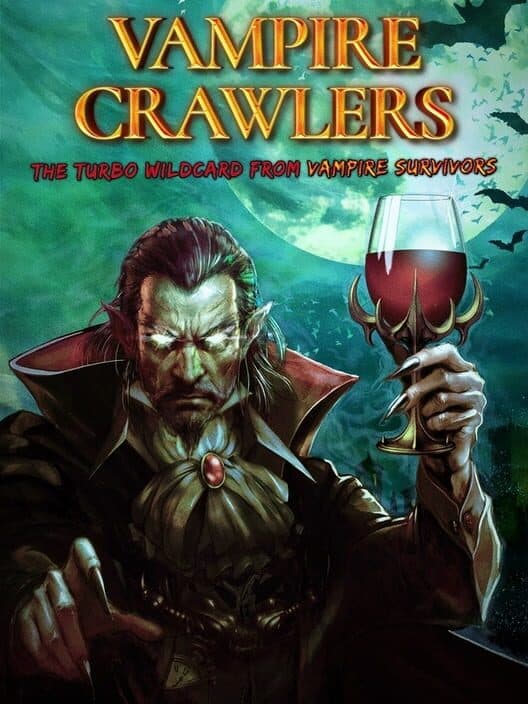
Yes, Vampire Crawlers is worth it if you love watching simple turns turn into absurdly strong combo chains. Its biggest strength is how quickly it delivers that one-more-run feeling without asking for fast hands or a huge upfront study session. You can learn the basics quickly, make progress even after a failed run, and usually stop cleanly after a fight. That makes it a strong fit if you want a smart solo game for weeknights. Buy at full price if shaping builds, unlocking new characters, and chasing bigger synergies sounds exciting, especially since the asking price is low for how much it offers. Wait for a sale if messy menus, fuzzy combat reads, or underexplained systems tend to wear you down. Skip it if you want a strong story, perfectly tuned tactical depth from the opening hour, or very short ten-minute sessions. For the right player, it is a funny, satisfying, low-stress time sink.

Poncle • 2026 • PC (Microsoft Windows), Mac, PlayStation 5, Android, iOS, Nintendo Switch, Xbox Series X|S
Yes, Vampire Crawlers is worth it if you love watching simple turns turn into absurdly strong combo chains. Its biggest strength is how quickly it delivers that one-more-run feeling without asking for fast hands or a huge upfront study session. You can learn the basics quickly, make progress even after a failed run, and usually stop cleanly after a fight. That makes it a strong fit if you want a smart solo game for weeknights. Buy at full price if shaping builds, unlocking new characters, and chasing bigger synergies sounds exciting, especially since the asking price is low for how much it offers. Wait for a sale if messy menus, fuzzy combat reads, or underexplained systems tend to wear you down. Skip it if you want a strong story, perfectly tuned tactical depth from the opening hour, or very short ten-minute sessions. For the right player, it is a funny, satisfying, low-stress time sink.
Players keep praising how small early hands snowball into wild, screen-filling turns, creating that classic one-more-run pull even late into a session.
The most common complaint is usability friction: busy menus, uneven readability, and unclear save or combat information can make the game feel rougher than it should.
Some players love that the opening hours teach the game gently. Others feel early turns have obvious answers, so the first stretch can seem too shallow.
Many players feel the unlock pace stays rewarding for hours, with lots of characters, cards, gems, and relic goals making the price feel especially good.
For some, late runs becoming absurdly powerful is the whole payoff. Others think those explosive builds flatten the challenge once a run gets rolling.
Players keep praising how small early hands snowball into wild, screen-filling turns, creating that classic one-more-run pull even late into a session.
Many players feel the unlock pace stays rewarding for hours, with lots of characters, cards, gems, and relic goals making the price feel especially good.
The most common complaint is usability friction: busy menus, uneven readability, and unclear save or combat information can make the game feel rougher than it should.
Some players love that the opening hours teach the game gently. Others feel early turns have obvious answers, so the first stretch can seem too shallow.
For some, late runs becoming absurdly powerful is the whole payoff. Others think those explosive builds flatten the challenge once a run gets rolling.
A several-week solo game with medium-length runs, clean pause points, and no social obligations, though full runs still want more than a quick break.
This fits busy schedules better than most run-based games, with one important caveat: individual runs are not tiny. Expect many sessions to land around 45 to 90 minutes, especially once builds get rolling and you want to see them pay off. The good news is that the structure respects stopping. Fights are discrete, the game pauses cleanly, and progress autosaves after encounters, so there are regular exit points that do not feel wasteful. It is also purely solo, so there is no group coordination, daily obligation, or pressure to keep up with friends. To feel like you have really seen what the game offers, plan on roughly 20 to 30 hours for a main clear plus enough unlocks to understand different build styles. Coming back after a week is mostly fine because runs are self-contained and the hub points you toward goals, though you may need a few minutes to remember what certain gems or characters do. In short, it asks for medium-length sessions across several weeks, and it pays that back with flexible solo progress.
Mostly thoughtful rather than frantic, it lets you pause and plan every turn, but later runs still want real attention for sequencing, routing, and build choices.
Most of the time, this asks for your brain more than your nerves. You can stop, think, and even look away for a moment because nothing moves until you act. That makes it friendly for weeknight play and much easier to handle than real-time action games. The catch is that your turns still matter. A good run depends on sequencing cards in the right order, choosing which rooms to tackle, and spotting when a new gem or weapon pushes your build in a better direction. Early on, many turns feel simple. Later, once your deck starts chaining effects together, each hand becomes busier and more rewarding. So the game asks for steady attention, not constant panic. You do not need lightning reflexes, but you do need enough headspace to plan a turn, read the board, and notice synergies. If you like thoughtful play with room to breathe, it gives you exactly that.
Easy to start, then gradually richer as new systems unlock, with the real hurdle being fuzzy explanations rather than brutally demanding rules.
This is approachable to learn but deeper than it first looks. You can understand the basics quickly: play cards, manage mana, pick upgrades, and guide a run through the dungeon. A lot of people who normally bounce off card-heavy games should be comfortable within the first couple of sessions. The real growth comes later. As more characters, relics, gems, and weapon evolutions open up, you start seeing how much value lives in timing, deck shape, and synergy planning. That is where the game stops being simple and starts becoming clever. The main obstacle is not brutal difficulty. It is clarity. Some stats, systems, and hidden interactions are not explained as cleanly as they should be, so part of getting better is learning through trial and error or checking the Unlocks menu and outside guides. That means the game gives you a friendly front door, then slowly reveals extra layers. If you enjoy discovering strong combinations, it rewards you well. If you want every system perfectly explained upfront, it may test your patience.
More satisfying than nerve-racking, it creates light pressure around keeping a good run alive while mostly delivering playful momentum and big payoff turns.
The emotional pull is light to medium. Most runs feel satisfying, playful, and a little greedy rather than harsh or draining. You are usually chasing the fun of making a broken build, not bracing for disaster around every corner. Losing a run can sting when a combo engine is finally coming together, but failure rarely feels crushing because you keep unlock progress and quickly get another shot. That makes the pressure feel productive instead of punishing. The game still has spikes. A weak build, a risky route, or a rough boss floor can create real tension, especially near the end of a run when you want the payoff. Even then, the stress comes from wanting your plan to work, not from fear or twitch-heavy chaos. The tone helps too. The whole thing is wrapped in exaggerated Vampire Survivors style, so the mood stays more gleeful than grim. It works best when you want stimulation and momentum without needing to emotionally recover afterward.
Games with a similar rhythm and feel, even if they look different