Netflix • 2018 • Google Stadia, PlayStation 4, Linux, Android, PC (Microsoft Windows), iOS, Mac, Xbox One, Nintendo Switch
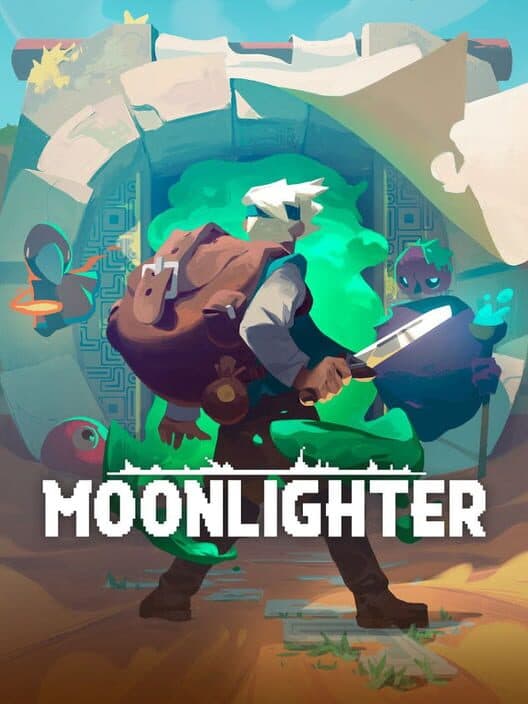
Moonlighter
Netflix • 2018 • Google Stadia, PlayStation 4, Linux, Android, PC (Microsoft Windows), iOS, Mac, Xbox One, Nintendo Switch
Is Moonlighter Worth It?
Yes, Moonlighter is worth it if you want a compact game that makes every session feel productive. Its best trick is that dungeon loot matters twice: first as survival treasure, then as shop stock and upgrade fuel. That gives the whole experience a satisfying rhythm few games match. You can play for an hour, learn a few prices, push a little deeper into a dungeon, then end the night with new gear or more gold in your pocket. The catch is depth. Combat is readable and enjoyable, but it does not grow into a very rich action game, and the merchant side can feel routine once you know the best prices. Buy at full price if a charming 12-20 hour run of risk, selling, and steady improvement sounds exactly like your thing. Wait for a sale if you like the idea but usually want deeper combat or more varied dungeons. Skip it if you want a pure cozy shop sim, a story-heavy adventure, or a run-based game meant to last for months.
What is Moonlighter like?
Opinions of Moonlighter
What Players Love
- Players Love
Dungeon loot stays meaningful in and out of runs
Players love that every haul has two uses: survival value now and sale value back in town. That back-and-forth makes even small dungeon runs feel rewarding.
- Players Love
Charming shopkeeper fantasy gives the whole game warmth
The pixel art, music, and humble merchant premise give the game a cozy tone. Many players say that charm makes setbacks easier to accept and town visits pleasant.
Common Concerns
- Common Concern
Combat and dungeon variety thin out over time
A common complaint is that later hours do not add enough new enemy behaviors, room types, or weapon depth, so the strong early hook can start to feel samey.
- Common Concern
Pricing starts clever but can become routine later
Finding item values is fun at first, but some players feel the merchant layer becomes solved once prices are known. Others dislike the early guesswork before that point.
Divisive Aspects
- Divisive
Simple combat feels relaxing to some, shallow to others
Some players enjoy the readable, low-stress fighting because it fits the shop loop. Others wanted deeper weapon feel and enemy behavior from the action side.
What does Moonlighter demand from you?
Time
LOWTime
This is a compact solo game built for weeknight chunks, with obvious stopping points and a satisfying campaign arc that does not ask for months of devotion.
Focus
MODERATEFocus
Most sessions mix calm planning with attentive dungeon rooms, so you can relax in town but need steady eyes-on play once monsters and backpack choices pile up.
Challenge
MODERATEChallenge
You'll grasp the loop quickly, but getting comfortable means learning prices, bag tricks, weapon habits, and when to retreat before greed turns a good run bad.
Intensity
MODERATEIntensity
The pressure comes from greed and possible loot loss, not nonstop brutality, creating a medium-stakes rhythm that feels tense in runs and gentle once you're back home.
Frequently Asked Questions
You Might Also Like
Games with a similar rhythm and feel, even if they look different