Mega Crit Games • 2026 • Linux, PC (Microsoft Windows), Mac
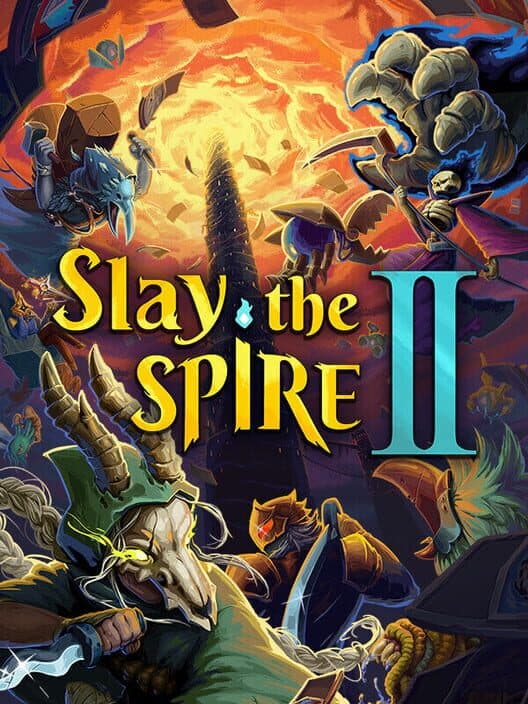
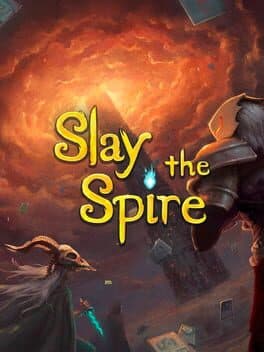
Yes, Slay the Spire II is worth it if you enjoy thinking through every move and do not mind losing entire runs while you learn. Its big strength is how quickly it creates that "one more climb" pull. In one evening, you can start with a weak pile of cards, find a weird relic, and slowly turn the whole thing into a machine that barely survives a boss. That loop is still fantastic, and the sequel adds nicer art, stronger presentation, more content, and a co-op mode people seem to genuinely like. The main caution is that this is still Early Access. Launch-week bugs were real, and some players think it feels more like an expanded follow-up than a dramatic reinvention. Buy at full price if you loved the first game or already know you like careful card-based strategy. Wait for a sale if you are curious but unsure about run resets or Early Access rough edges. Skip it if repeated losses and luck swings ruin the fun for you.

Mega Crit Games • 2026 • Linux, PC (Microsoft Windows), Mac
Yes, Slay the Spire II is worth it if you enjoy thinking through every move and do not mind losing entire runs while you learn. Its big strength is how quickly it creates that "one more climb" pull. In one evening, you can start with a weak pile of cards, find a weird relic, and slowly turn the whole thing into a machine that barely survives a boss. That loop is still fantastic, and the sequel adds nicer art, stronger presentation, more content, and a co-op mode people seem to genuinely like. The main caution is that this is still Early Access. Launch-week bugs were real, and some players think it feels more like an expanded follow-up than a dramatic reinvention. Buy at full price if you loved the first game or already know you like careful card-based strategy. Wait for a sale if you are curious but unsure about run resets or Early Access rough edges. Skip it if repeated losses and luck swings ruin the fun for you.
Most praise centers on how familiar it feels in the best way: the same gripping climb loop, now with cleaner visuals, smoother presentation, and more to explore at launch.
Crashes, black-screen launches, localization problems, and co-op softlocks showed up enough at launch to frustrate some players, even with quick hotfixes.
A notable group of fans loves the polish but wanted bigger changes, saying some returning ideas and card patterns make it feel more like a careful follow-up.
Players say runs with friends change the game in meaningful ways through shared planning, team synergies, and multiplayer-specific cards that justify the mode.
Some newer or less experienced players say early acts, bosses, and bad reward rolls can feel overtuned, while veterans often argue those losses become readable with practice.
Many players highlight the upgraded art, animation, music, and lore touches, saying the sequel feels more alive and more distinct from moment to moment.
Most praise centers on how familiar it feels in the best way: the same gripping climb loop, now with cleaner visuals, smoother presentation, and more to explore at launch.
Players say runs with friends change the game in meaningful ways through shared planning, team synergies, and multiplayer-specific cards that justify the mode.
Many players highlight the upgraded art, animation, music, and lore touches, saying the sequel feels more alive and more distinct from moment to moment.
Crashes, black-screen launches, localization problems, and co-op softlocks showed up enough at launch to frustrate some players, even with quick hotfixes.
Some newer or less experienced players say early acts, bosses, and bad reward rolls can feel overtuned, while veterans often argue those losses become readable with practice.
A notable group of fans loves the polish but wanted bigger changes, saying some returning ideas and card patterns make it feel more like a careful follow-up.
Runs fit neatly into an evening and pause well, but a late loss can still erase most of that night's progress.
This fits adult schedules better than most hard games, as long as you accept that a bad run can still eat your evening. A full climb usually lands somewhere around forty-five to ninety minutes, and the structure is clean: rooms lead to acts, acts lead to bosses, and each climb feels like a self-contained project. You can pause freely and use save-and-quit, which makes dinner, kids, or real-life interruptions much easier to handle than in real-time or schedule-heavy games. Coming back after a week is also painless because starting fresh is always an option, and the core loop is easy to remember. The bigger time ask is not one session but the pull of 'one more run.' Most people will understand what the game offers after a first clear or two across several evenings, while long-term play comes from new characters, harder climbs, co-op, and future Early Access additions. It asks for repeat attempts more than marathon sessions and gives you strong value even before you chase everything.
Mostly calm on your hands but busy in your head, with constant small choices and almost no reflex pressure at all.
Slay the Spire II asks for steady, thoughtful attention and pays you back with that great feeling of finding the right line. Most turns are small math-and-priority puzzles: how much damage you can safely take, whether to spend a potion now, which card to hold, and what today's reward means for a boss twenty minutes from now. The nice part is that none of this is rushed. You can pause, stare at the board, and think. That makes it much gentler on your hands and schedule than action-heavy games. Still, it is not a good second-screen game. If you half-watch a show while playing, you'll miss enemy plans, forget relic triggers, or draft cards that weaken the whole run. Spatial thinking barely matters, but reading patterns does. Over time you start recognizing common enemy turns, greedy route traps, and the shape of a winning deck much earlier. In short, it asks for your brain more than your reflexes and delivers a constant stream of satisfying little decisions.
Easy to start, harder to read well; the real learning is knowing which cards, routes, and risks pay off later.
This is easy to start and slower to truly understand. You can learn the buttons and card flow in one run, but real competence takes several sessions because the game teaches through consequences. A card that looks strong right now may quietly bloat your deck. A safe-looking route may leave you too weak for the boss. A relic can be amazing if you build around it and mediocre if you do not. That means the learning process is less about fast hands and more about building judgment. The game explains the basics, but it leaves plenty for you to discover through trial, failure, and comparison. That can feel rough at first because failed runs still cost time. The upside is that improvement is very visible. You start noticing bad habits, trimming weaker cards, planning for future fights, and spotting winning lines earlier. It asks for patience with early losses, then delivers one of the most satisfying 'I actually got better' arcs in strategy games.
The pressure comes from protecting a good run, not fast action, so losses sting more in your stomach than in your hands.
The pressure here is real, but it comes from stakes, not speed. A strong run can feel precious, and that makes elites, bosses, curses, and bad draws hit with a sharp jolt of worry. You will have moments where one turn decides whether the last hour was clever planning or wasted effort. The good news is that the game stays readable even when it gets scary. Enemies show what they're about to do, turns wait for you, and most losses feel traceable to draft choices, route greed, or sequencing mistakes rather than sudden chaos. That creates a very specific kind of stress: tense and absorbing, but rarely exhausting in the way horror games or fast action games can be. When the mood clicks, that tension is part of the reward. Squeaking past a boss with a deck that finally came together feels fantastic. When you're already mentally drained, though, the same tension can feel punishing because a late loss wipes out a whole climb.
Games with a similar rhythm and feel, even if they look different