Powered by IGDB•Privacy•Terms

© 2026 Slated.gg

Slated.gg
Popular GamesAbout

Octopath Traveler

Nintendo • 2018 • Google Stadia, PlayStation 4, PC (Microsoft Windows), PlayStation 5, Xbox One, Nintendo Switch
Is Octopath Traveler Worth It?

Octopath Traveler is worth it if you enjoy classic, turn-based RPGs and can commit to a long but flexible adventure. Its biggest strengths are the gorgeous HD-2D art, excellent music, and satisfying tactical combat built around breaking enemy defenses and timing big attacks. Each session tends to deliver visible progress, whether that’s finishing a chapter, gaining levels, or unlocking new jobs. In return, it asks for patience with random encounters, a lot of reading, and a total playtime that can easily stretch over months for a busy adult. The eight separate stories are engaging and often emotional, but they never fully fuse into one grand narrative, which may disappoint players expecting something as cohesive as a prestige TV drama. Buy at full price if you love JRPGs, turn-based combat, and nostalgic pixel art presented with modern flair. It’s a solid sale pick if you’re more lukewarm on grinding or unsure about the time commitment. If you dislike random battles, menu-driven combat, or text-heavy storytelling, you’re likely better off skipping it.

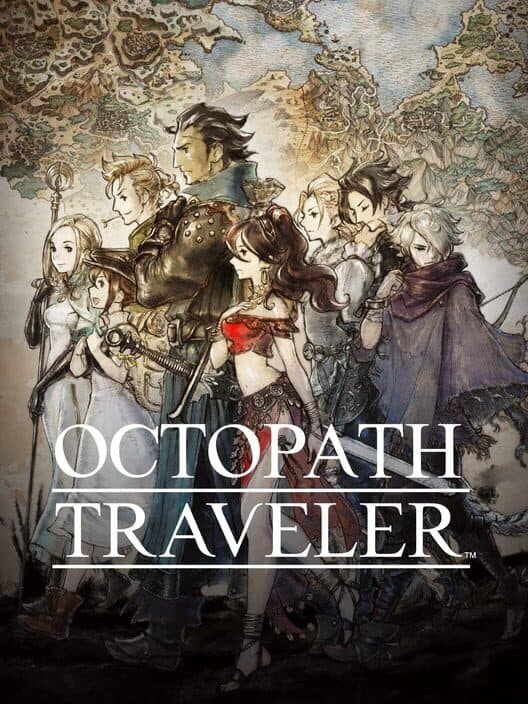
Octopath Traveler cover art

Octopath Traveler

Nintendo • 2018 • Google Stadia, PlayStation 4, PC (Microsoft Windows), PlayStation 5, Xbox One, Nintendo Switch

Is Octopath Traveler Worth It?

Octopath Traveler is worth it if you enjoy classic, turn-based RPGs and can commit to a long but flexible adventure. Its biggest strengths are the gorgeous HD-2D art, excellent music, and satisfying tactical combat built around breaking enemy defenses and timing big attacks. Each session tends to deliver visible progress, whether that’s finishing a chapter, gaining levels, or unlocking new jobs. In return, it asks for patience with random encounters, a lot of reading, and a total playtime that can easily stretch over months for a busy adult. The eight separate stories are engaging and often emotional, but they never fully fuse into one grand narrative, which may disappoint players expecting something as cohesive as a prestige TV drama. Buy at full price if you love JRPGs, turn-based combat, and nostalgic pixel art presented with modern flair. It’s a solid sale pick if you’re more lukewarm on grinding or unsure about the time commitment. If you dislike random battles, menu-driven combat, or text-heavy storytelling, you’re likely better off skipping it.

When is Octopath Traveler at its best?

Perfect when you have a quiet evening and about an hour free, want something thoughtful but not twitchy, and can comfortably finish a dungeon and boss in one sitting.

Ideal for relaxed weekend sessions where you feel like tinkering with builds, swapping jobs, and watching your party noticeably power up over one or two chapters.

Great after a physically tiring day when your hands are tired but your mind is awake, and you want calming music, pretty visuals, and strategic battles at your own pace.

What is Octopath Traveler like?

Commitment

MODERATE

Commitment

A long but flexible 50–70 hour adventure, broken into chapter-sized chunks that fit well into 60–90 minute solo sessions with easy pausing.

MODERATE

This is a substantial time commitment, closer to a big paperback series than a single novel. Seeing all eight character stories through to their finales will likely take 50–70 hours for a typical adult on normal difficulty. The good news is that the game is built around chapter arcs and dungeons that often fit neatly into an evening session. You can meaningfully progress a story or clear a dungeon in 60–90 minutes, then put it down. It’s also very friendly to real-life interruptions. You can pause at any time, and the turn-based nature means you can even step away mid-battle without penalty. Save points and autosaves are frequent, though not literally everywhere, so you might occasionally replay a short stretch if you have to quit abruptly. Coming back after a few weeks away requires a brief reorientation with the journal and map, but not a full restart. It’s a big journey, but one that respects weeknight schedules as long as you’re okay with a slow, steady pace.

Tips

  • Think of each character’s set of chapters as its own mini-season and aim to finish one or two arcs rather than rushing the entire cast at once.
  • During busy stretches of life, accept slower progress; even short grind sessions that earn a few levels keep you moving toward later chapters.
  • Use fast travel aggressively to reduce backtracking time and keep more of each session focused on meaningful dungeons and story beats.

Focus

LOW

Focus

Calm, turn-based battles and story scenes ask for steady attention, but exploration and easy fights comfortably tolerate glancing at your phone or chatting.

LOW

This is a game you mostly play with your brain, not your reflexes, but it rarely demands total tunnel vision. Battles are fully turn-based, so you can sit and think through each move without any time pressure. Bosses and tougher encounters do ask you to pay attention to turn order, weaknesses, and resource use, so you’ll want to be reasonably alert when you tackle those. Story scenes involve a fair bit of reading or listening, which rewards being present enough to follow each character’s emotional arc. Outside of those moments, the game gives you plenty of mental breathing room. Walking between towns, grinding a few levels, or clearing simple routes can be done while half-watching a show or chatting with someone nearby. Our busy adult player can comfortably fit this in after work without needing to be “on” the whole session. It asks for periodic bursts of thoughtfulness, but not the exhausting, continuous focus of intense action games.

Tips

  • Start new chapters when you have a clear hour so you can enjoy the full dungeon and boss without feeling rushed or distracted.
  • On low-energy nights, stick to grinding or light side content so you can safely multitask podcasts or TV without missing important story beats.
  • After each session, quickly tidy your party’s gear and jobs so you spend less mental effort re-orienting next time you sit down.

Mastery

MODERATE

Mastery

Easy to understand after a few evenings, with extra depth in party building and combat that rewards curiosity more than obsessive optimization.

MODERATE

Octopath Traveler is approachable for anyone who’s played a turn-based RPG before, yet still offers room to grow if you enjoy tinkering. You’ll grasp the basics of breaking enemy shields and using boosted attacks within the first couple of hours. Over the next few sessions, you’ll layer on ideas like secondary jobs, support skills, and smarter use of buffs and debuffs. Once those concepts click, you’re comfortably equipped to finish all eight stories without guides. There is deeper mastery available—stacking specific passives, planning multi-turn setups, and designing specialized roles—but the game doesn’t demand that level of optimization on normal play. The payoff for improving your understanding is smoother boss fights, fewer wipes, and the satisfaction of turning once-scary enemies into routine encounters. As a busy adult, you can stop learning the moment you feel things are running smoothly and still see credits. The game warmly rewards extra effort but doesn’t hold your enjoyment hostage to it.

Tips

  • Focus on learning a couple of reliable party setups you enjoy instead of constantly reshuffling everything in search of a perfect build.
  • Read skill and passive descriptions before spending points so your choices feel intentional and you avoid regretting early investments.
  • Treat optional superboss-style content as a bonus playground for deeper mastery, not as mandatory goals for a satisfying playthrough.

Intensity

LOW

Intensity

Mostly relaxed and low-adrenaline, with occasional tense boss fights and some surprisingly dark storylines that can feel heavy but not overwhelming.

LOW

Emotionally, Octopath Traveler sits in a mostly gentle place with some meaningful spikes. The turn-based structure keeps your heart rate low; there’s no frantic button-mashing or sudden quick-time events to punish you for looking away. Boss fights can feel tense, especially if you’re low on healing or trying to line up the perfect boosted strike, but the stress is more like solving a hard puzzle than surviving a horror game. The writing adds a different flavor of intensity. Several character arcs touch on murder, abuse, and exploitation, which can be emotionally heavy even though the pixel art keeps the imagery restrained. Failure never wipes out hours of progress, but losing a 15–20 minute dungeon run right before a boss can still be frustrating. Overall, it’s a good fit if you want something engaging and occasionally dramatic without constant pressure. It’s less ideal if you’re very sensitive to darker themes, or if you’re seeking pure comfort after a rough day.

Tips

  • Tackle chapters close to their recommended level to keep boss fights challenging but fair instead of turning them into stressful brick walls.
  • If a boss wipes you twice, take a short break, adjust gear and jobs, then retry instead of forcing attempts while frustrated.
  • When you’re emotionally drained, favor lighter character arcs or simple grinding sessions instead of diving into the darkest storylines.

Frequently Asked Questions

You Might Also Like

Games with a similar rhythm and feel, even if they look different
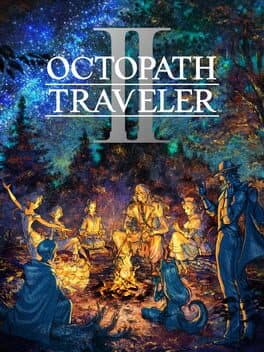
Octopath Traveler II game cover art

Octopath Traveler II

Commitment
HIGH
Focus
LOW
Mastery
MODERATE
Intensity
LOW
Paper Mario: The Thousand-Year Door game cover art

Paper Mario: The Thousand-Year Door

Commitment
MODERATE
Focus
MODERATE
Mastery
LOW
Intensity
LOW
Octopath Traveler 0 game cover art

Octopath Traveler 0

Commitment
HIGH
Focus
MODERATE
Mastery
MODERATE
Intensity
MODERATE
Warhammer 40,000: Rogue Trader game cover art

Warhammer 40,000: Rogue Trader

Commitment
HIGH
Focus
MODERATE
Mastery
MODERATE
Intensity
MODERATE
Sea of Stars game cover art

Sea of Stars

Commitment
MODERATE
Focus
MODERATE
Mastery
MODERATE
Intensity
LOW
Wasteland 2 game cover art

Wasteland 2

Commitment
HIGH
Focus
MODERATE
Mastery
MODERATE
Intensity
MODERATE
← Back to Home