Unicorn Overlord

Atlus2024Xbox Series X|S, PlayStation 4, PlayStation 5, Nintendo Switch
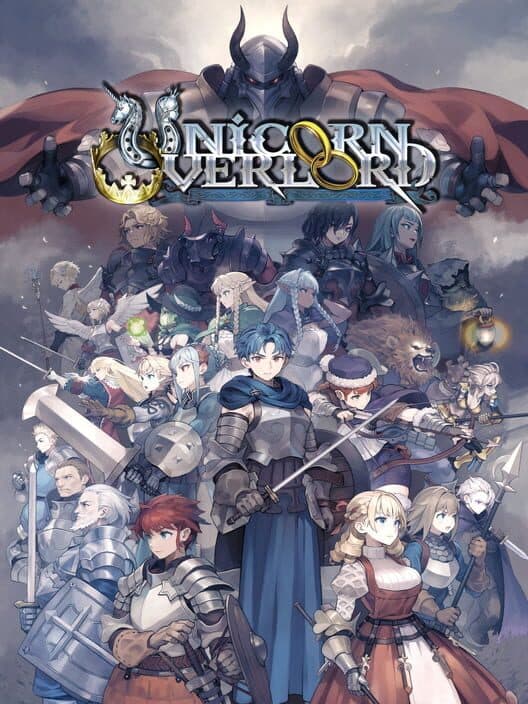
Deep tactical JRPG focused on army-building

Roughly 60-hour solo campaign with clear missions

Pausable real-time battles with lavish 2D art

Is Unicorn Overlord Worth It?

Unicorn Overlord is absolutely worth it if you enjoy tactical RPGs, squad-building, and rich fantasy art, and you can handle a 40–60 hour campaign. Its main strength is how satisfying it feels to assemble and refine a custom army, then watch your plans play out in pausable real-time battles. The game does ask you to read tooltips, think through formations, and invest attention into learning how classes interact, especially in the first several sessions. In return, you get a steady sense of growth as your ragtag force becomes a well-oiled machine and the world visibly changes around you. It’s also very friendly to evening play thanks to clear mission chunks and generous pausing. Buy at full price if you love strategy-heavy JRPGs or already like Vanillaware’s previous work. Wait for a sale if you’re only mildly interested in tactics or worried about the length. Skip it if you want fast-paced action, heavy multiplayer focus, or very short, strictly linear stories.

When is Unicorn Overlord at its best?

When you have a focused 60–90 minute evening and want something thoughtful but not twitchy, perfect for clearing a mission and tweaking squads before bed.

On a relaxed weekend afternoon where you can sink a few hours into back-to-back battles, experimenting with new formations and watching your army roll across the map.

During a quieter season of life when you can commit a few weeks to one big game and enjoy slowly reclaiming nations and building a powerful, personalized army.

What is Unicorn Overlord like?

Unicorn Overlord asks for a real but manageable time investment. For most busy adults, seeing the main story and a healthy slice of side content will take around 45–60 hours. That’s several weeks of regular evening play, not something you knock out in a weekend. The good news is that the structure respects your schedule. Content is broken into missions, skirmishes, and town liberations that typically fit into 20–30 minute windows, and you can chain a couple together for a 60–90 minute session that feels complete. Saving is easy outside combat, and you can pause anywhere, so interruptions from kids, roommates, or life aren’t a big problem. The main catch is coming back after a long break: with a large cast and many systems, you’ll need a short reorientation period. There’s no social pressure, raid schedules, or online obligations, though—this is entirely on your own time. If you can reliably carve out one or two focused evenings a week, the campaign fits comfortably.

Tips

  • Aim to finish at least one mission or town liberation per session so you always end with a clear sense of progress.
  • When you’re short on time, prioritize quick skirmishes or map clean-up rather than starting a long, multi-part story battle.
  • If you know you’ll be away for a while, leave yourself a note in the quest log or a screenshot of current squads to ease returning.

Unicorn Overlord leans heavily on thoughtful attention rather than quick reactions. Most of your time is spent comparing units, adjusting formations, reading skills, and choosing which fights to tackle. In battle you’re directing several squads on a real-time map, deciding who should intercept which enemy, when to trigger special abilities, and whether to reroute someone to protect an objective. You can pause at any time, so you’re rarely rushed, but you do need to stay mentally present and think a couple of moves ahead. This isn’t a second-screen kind of game during its main missions; looking away for too long can let a bad matchup slip through. Overworld exploration and town visits are calmer yet still filled with small decisions about gear, promotions, and quests. If you like slow, deliberate planning and watching your strategies unfold, that focus will feel satisfying. If you prefer games you can half-watch while chatting or streaming, it may feel more demanding than you want after a long workday.

Tips

  • Do heavier squad tweaking and reading when you’re fresh, and save simple skirmishes or town visits for nights when you’re tired.
  • Use the pause function liberally in big battles to scan the map, check matchups, and queue orders without feeling rushed.
  • Keep a small core of favorite squads you understand well so you’re not mentally juggling dozens of unit combinations every session.

Learning Unicorn Overlord is less about memorizing combos and more about understanding how classes, formations, and tactics scripts interact. The basics—move squads, fight enemies, capture points—make sense within the first couple of hours. True comfort, though, comes after several sessions of experimenting with who belongs in the front or back, which passives stack well, and how to script actions so your units behave intelligently without constant micromanagement. For a busy adult, that means expecting the first 5–10 hours to feel mentally heavier as you experiment and occasionally misbuild a squad. The nice part is that the game lets you win through leveling and retries on normal difficulty, so you never need perfect execution to progress. If you enjoy refining teams and seeing previously tricky maps become smooth, the sense of growth is strong. If you’d rather not think hard about builds, you can still finish on easier settings, but you’ll leave some of that deeper satisfaction on the table.

Tips

  • Focus on mastering a few reliable squad archetypes instead of trying to optimize every single character on your first run.
  • When a map feels unfair, assume your formation or tactics need tweaking before blaming reflexes or luck.
  • Treat early hours as experimentation time, and don’t be afraid to rebuild squads completely once you better understand class roles.

Emotionally, Unicorn Overlord sits in a comfortable middle zone. Battles can absolutely be tense, especially large story maps or boss encounters where multiple objectives are under threat at once. You’ll feel a bit of pressure when reinforcements arrive or a key fort starts taking damage. But because there’s no permadeath, generous retries, and the option to over-level through side content, the overall stress level stays reasonable. Losing a map is disappointing rather than crushing; you regroup, tweak squads, and try again. The tone of the story is heroic and hopeful more than bleak, so you’re not constantly bracing for tragedy. Expect your heart rate to rise occasionally during tough fights, then settle back into a more relaxed, puzzle-like rhythm. This is a good fit if you like challenge and some excitement but don’t want white-knuckle action after a tiring day. If you’re sensitive to time pressure at all, the pause button goes a long way toward keeping things comfortable.

Tips

  • If a map feels overwhelming, drop the difficulty or do a few side battles to reduce pressure before retrying.
  • Pause whenever new enemy waves appear to re-evaluate calmly instead of reacting in a panic.
  • Play tougher story missions when you’ve got energy, and leave easy skirmishes for times you want something low-stress.

Frequently Asked Questions