Sony Interactive Entertainment • 2020 • PlayStation 4
Cinematic katana duels and stealth
Stylized open-world samurai adventure
Works well in 60–90 minute sessions
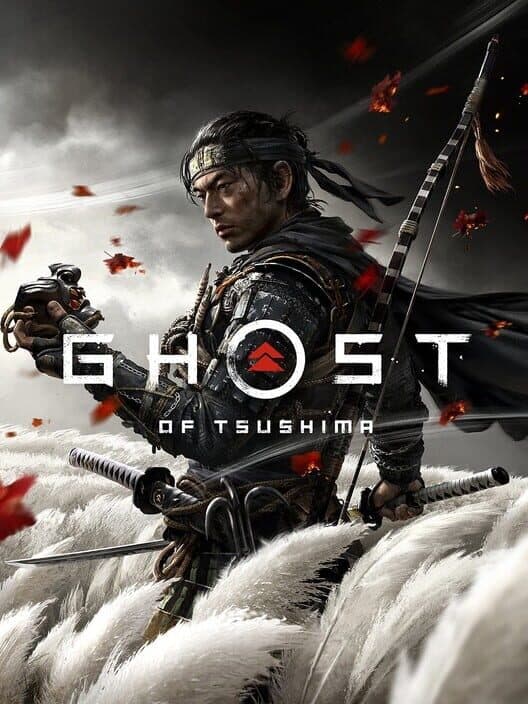
Ghost of Tsushima is absolutely worth it if you like open-world action games, samurai fantasy, and strong atmosphere. It delivers a complete, polished single-player journey with satisfying combat, gorgeous visuals, and a clear narrative payoff. The game asks for a moderate time investment and a bit of focus for real-time swordplay and stealth, but it doesn’t demand perfection or endless grinding. If you enjoy exploring maps, upgrading gear, and watching a character grow over a 30–40 hour story, buying at full price (or a modest discount) makes sense. If you’re only mildly interested in samurai themes or tend to bounce off open worlds, it’s a great sale pickup you can savor over several weeks. You can definitely play it casually in 60–90 minute sessions and still feel progress. People who dislike combat-heavy games, graphic violence, or checklists may want to skip it, but for most action-adventure fans, it’s a strong, self-contained experience.

Sony Interactive Entertainment • 2020 • PlayStation 4
Cinematic katana duels and stealth
Stylized open-world samurai adventure
Works well in 60–90 minute sessions
Ghost of Tsushima is absolutely worth it if you like open-world action games, samurai fantasy, and strong atmosphere. It delivers a complete, polished single-player journey with satisfying combat, gorgeous visuals, and a clear narrative payoff. The game asks for a moderate time investment and a bit of focus for real-time swordplay and stealth, but it doesn’t demand perfection or endless grinding. If you enjoy exploring maps, upgrading gear, and watching a character grow over a 30–40 hour story, buying at full price (or a modest discount) makes sense. If you’re only mildly interested in samurai themes or tend to bounce off open worlds, it’s a great sale pickup you can savor over several weeks. You can definitely play it casually in 60–90 minute sessions and still feel progress. People who dislike combat-heavy games, graphic violence, or checklists may want to skip it, but for most action-adventure fans, it’s a strong, self-contained experience.
When you have about an hour or so after work and want a focused, cinematic mission or camp assault without dealing with online teammates or timers.
On a relaxed weekend afternoon when you can sink a few hours into exploring new regions, following foxes, and clearing several quests in one satisfying arc.
When you’re in the mood to unwind visually but still play something engaging, riding across Tsushima, taking photos, and picking smaller fights instead of pushing tough story duels.
A finite 30–40 hour journey built from 20–40 minute quests and flexible saves that fit comfortably into weeknight or weekend sessions.
Ghost of Tsushima is a sizable but manageable commitment for a busy adult. Expect around 30–40 hours to complete the main story and a healthy slice of standout side quests, spread across three acts. Each act unlocks new regions, but most activities are bite-sized: a tale here, a camp there, a quick shrine or fox den. You can often finish something meaningful in 30–45 minutes. The game saves frequently and lets you save manually, so you can stop mid-exploration without losing progress. It’s entirely offline and solo-focused, so there’s no scheduling with friends or fear of missing seasonal events. Coming back after a week or two off may require a short reorientation—remembering stance controls and where you left various character arcs—but the quest log and map help. The game asks you to invest a few dozen hours over several weeks, and in return gives you a complete, polished adventure that fits around real-life obligations rather than consuming them.
You’ll stay mentally and physically engaged during fights and infiltrations, with calmer exploration stretches that keep it engaging without overwhelming you after work.
Ghost of Tsushima expects a decent amount of attention, especially during combat and stealth. You’re reading enemy types, swapping stances, choosing when to parry or dodge, and watching for archers or flankers. Infiltrating camps adds another layer as you track patrol routes, sightlines, and noise. Outside fights, focus eases up: riding across the island, following the wind, or stopping at shrines and hot springs is more relaxing and scenic than demanding. You probably won’t want to multitask with shows or podcasts during serious encounters, but you also won’t feel mentally fried like after a long strategy session. The game asks for steady, present attention and moderate reflexes and, in return, gives you a strong sense of flow: stylish duels, well-earned victories, and the pleasure of moving smoothly through a beautiful world.
Easy to learn in a few sessions, with noticeable payoff if you invest time into sharpening timing, stance choices, and tool usage.
Ghost of Tsushima is approachable, but it rewards practice. Within a couple of evenings you’ll understand basic sword swings, blocks, dodges, and stealth takedowns. The game gradually introduces stances and tools, so you’re not juggling everything at once. To really shine, though, you’ll learn which stance counters each enemy type, how long you can safely trade blows, and when to spend resolve on healing or powerful strikes. You do not need near-perfect timing or deep system knowledge to finish on normal difficulty; basic competence carries you far. But as your skills mature, fights shift from scrappy survivals to graceful, cinematic encounters where you control the pace. The game asks for a modest learning period and, if you choose, continued practice, and it pays that back with increasingly smooth, stylish combat and a strong sense of personal improvement without the pressure of ranked modes or strict performance tracking.
Fights and story moments feel tense and exciting, but forgiving deaths keep the overall experience thrilling rather than punishing or exhausting.
This game hits a middle ground on intensity. Swordfights, duels, and stealth sections can get your heart rate up, especially when you’re surrounded or trying to pull off a perfect standoff. The story deals with war, sacrifice, and betrayal, so certain scenes land emotionally. However, quick reloads and light penalties mean failure rarely feels crushing. You’re encouraged to try again rather than dreading a huge loss of time or progress. Between these spikes of tension are long stretches of calm: riding through golden fields, following foxes, composing haiku, or soaking in hot springs. Those quiet interludes let you decompress before the next battle. The game asks you to tolerate moderate stress and some heavy themes, and in exchange delivers adrenaline during climactic fights plus genuine emotional impact from its characters and choices, without the relentless pressure of horror games or brutally punishing action titles.
Games with a similar rhythm and feel, even if they look different