Electronic Arts • 2024 • Xbox Series X|S, PC (Microsoft Windows), PlayStation 5
Story-driven fantasy with rich companion relationships
Mission-based structure fits 60–90 minute sessions
Customizable action combat, difficulty highly tunable
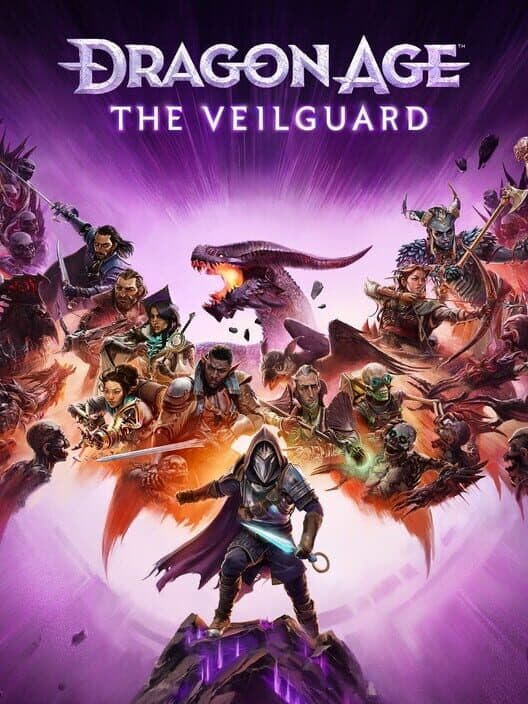
Dragon Age: The Veilguard is worth it if you want a big, character-driven fantasy adventure you can finish without sacrificing your entire life. Its main strength is the companion cast: their banter, personal quests, and romances create a warm found-family feel that makes each session emotionally rewarding. You’ll be exploring handcrafted levels, fighting in real-time with a tactical pause wheel, and making dialogue choices that genuinely affect relationships and some outcomes. In return, it asks for a moderate but finite time investment: roughly 35–50 hours for a satisfying run, usually in 60–90 minute sessions. Combat and systems are deep enough to stay interesting, yet flexible difficulty and accessibility options mean you can always tilt things toward story-first comfort. There are no microtransactions or live-service grinds, so you can play at your own pace. Buy at full price if you love story-heavy RPGs, BioWare-style companions, or want a meaty single-player game for the next month or two. Wait for a sale if you’re lukewarm on dialogue-heavy games. Skip if you dislike long narratives, reading, or party-based combat entirely.

Electronic Arts • 2024 • Xbox Series X|S, PC (Microsoft Windows), PlayStation 5
Story-driven fantasy with rich companion relationships
Mission-based structure fits 60–90 minute sessions
Customizable action combat, difficulty highly tunable
Dragon Age: The Veilguard is worth it if you want a big, character-driven fantasy adventure you can finish without sacrificing your entire life. Its main strength is the companion cast: their banter, personal quests, and romances create a warm found-family feel that makes each session emotionally rewarding. You’ll be exploring handcrafted levels, fighting in real-time with a tactical pause wheel, and making dialogue choices that genuinely affect relationships and some outcomes. In return, it asks for a moderate but finite time investment: roughly 35–50 hours for a satisfying run, usually in 60–90 minute sessions. Combat and systems are deep enough to stay interesting, yet flexible difficulty and accessibility options mean you can always tilt things toward story-first comfort. There are no microtransactions or live-service grinds, so you can play at your own pace. Buy at full price if you love story-heavy RPGs, BioWare-style companions, or want a meaty single-player game for the next month or two. Wait for a sale if you’re lukewarm on dialogue-heavy games. Skip if you dislike long narratives, reading, or party-based combat entirely.
When you have an hour or so on a weeknight and want to advance the story, clear a mission, and enjoy meaningful conversations without staying up too late.
On a quieter weekend afternoon when you can chain two sessions together, sinking into combat, experimenting with builds, and finishing a full companion questline in one go.
When you’re craving a rich single-player escape after work but still need to pause for family or phone calls, valuing flexibility and story over high-pressure, tightly timed gameplay.
A single run feels like a long fantasy season you can clear in a few weeks of 60–90 minute sessions.
Veilguard is built to be substantial but finite. One full playthrough of the main story plus a reasonable amount of side and companion content will take most busy adults around 35–50 hours. At 8–10 hours a week, that’s a comfortable three to six weeks, more like reading a big novel than joining a forever-game. Structurally it’s very kind to real-life schedules. Missions launch from a central hub and naturally break into 60–90 minute chunks that include exploration, combat, and story, so you can sit down after work, finish a whole arc, and log off satisfied. You can pause anytime, save frequently outside of cutscenes and dialogue, and play completely offline, which makes it easy to handle kids, roommates, or sudden calls. Coming back after a gap does require a short reacquainting with quests and systems, but the journal and codex help. Since there’s no multiplayer or live events, you can progress entirely on your own terms.
You’ll stay mentally engaged juggling party combat, builds, and dialogue, but generous pauses and clear goals keep it from feeling exhausting.
This is a game that wants your brain switched on but respects that you might be playing after a long day. In a typical session you’ll read quest text, choose dialogue options, plan which companions to bring, and use the combat wheel to coordinate abilities. That mix keeps you mentally engaged across combat, exploration, and conversations. At the same time, the game gives you tools to manage your attention: you can pause freely, slow down mid-fight to queue abilities, and rely on clear objective markers when your energy is low. There are pockets of lower-focus play too, like wandering the Lighthouse hub, checking in with companions, or doing simple fetch-style tasks. Overall it asks for steady but not razor-sharp concentration, closer to following a dense TV drama while occasionally making important choices than to running a high-speed competitive match.
Simple to get comfortable with, yet rewarding if you enjoy refining builds, timing, and party synergies over many sessions.
You don’t need to be a technical action-game expert to enjoy Veilguard. Core controls and concepts click within a few evenings: dodge the big glowing attacks, watch stagger bars, pop open the wheel to trigger abilities, and spend points in obvious skill tree upgrades. That quick onboarding makes it friendly for lapsed gamers or people who mainly come for the story. Beneath that accessible surface, there’s still room to grow. Learning enemy patterns, fine-tuning your class build, and pairing the right companions unlock more efficient and stylish combat. Higher difficulties particularly reward good positioning, smart cooldown use, and exploiting weaknesses. The nice thing is that this depth is optional: you can play on easier settings and never sweat perfect execution, or you can lean in and treat combat as a playground for experimentation. Either way, the game steadily shows you that you’re getting better, without demanding a huge time investment to get started.
Dramatic fights and big story turns get tense, but difficulty options keep the overall ride more thrilling than punishing.
Emotionally and physically, Veilguard lands in the middle of the spectrum. On standard settings, combat can absolutely get your heart going during boss encounters or chaotic waves, especially if you push into higher difficulties. But for a typical busy adult on Storyteller, Keeper, or Adventurer, tension rarely becomes outright stress. Mistakes cost only a few minutes thanks to generous checkpoints, and you can always reduce difficulty if deaths start to grate. Most of the emotional weight actually comes from story moments: arguments with companions, tough moral choices, or heart-wrenching personal quests. Those scenes can hit hard, but they’re experienced at your pace, without timers or twitch demands. Overall it feels like watching and steering a high-stakes fantasy series rather than surviving a horror game or sweaty ranked shooter. If you’re sensitive to pressure, it’s easy to tune the combat down and lean into the narrative instead.
Games with a similar rhythm and feel, even if they look different