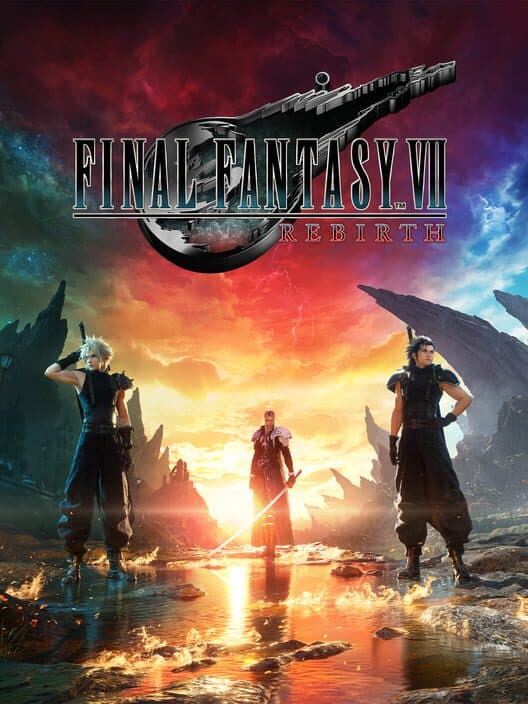
Final Fantasy VII Rebirth

Square Enix2024PC (Microsoft Windows), PlayStation 5

Story-driven JRPG with strategic party combat

Large semi-open regions packed with activities

40–60 hour adventure, easy to chunk

Is Final Fantasy VII Rebirth Worth It?

For most story-loving RPG fans, Final Fantasy VII Rebirth is worth it at full price. You’re getting a long, polished adventure with high-end visuals, a great soundtrack, and a character-driven story that meaningfully reimagines an all-time classic. The combat system hits a sweet spot for adults: deep enough to be interesting, but flexible and forgiving on Normal so you don’t need esports reflexes or endless grinding. What it asks of you is time and attention. Expect several weeks of play if you want to see the credits, and understand that some chapters have long cutscenes and mini-games you can’t just blast through. In return, you get memorable set pieces, satisfying party growth, and sessions that usually feel productive even if you only had an hour. Buy at full price if you loved Remake, enjoy JRPGs, or care a lot about cinematic storytelling. Wait for a sale if you’re unsure about the genre or rarely finish long games. Skip if you dislike cutscenes, anime-style drama, or can only tolerate very short, ultra-skimmed play sessions.

When is Final Fantasy VII Rebirth at its best?

When you have a quiet evening with 60–90 minutes free and want to sink into story chapters, cutscenes, and a couple of meaningful battles without coordinating with anyone else.

Perfect for weekends when you can play two or three back-to-back sessions, knocking out a full region’s Intel board and really feeling your party’s builds come together.

Best when you’re in the mood for a visually lush, slightly nostalgic escape and don’t mind reading dialogue or watching long scenes between bursts of interactive combat and exploration.

What is Final Fantasy VII Rebirth like?

Rebirth is a big commitment, but a flexible one. Most busy adults will spend several weeks working through the main story and a sampling of side content, landing around 40–60 hours. That sounds like a lot, yet the game divides itself well into evening-friendly pieces. Side quests, Intel tasks, and many dungeons fit into 60–90 minute sessions where you can meaningfully advance the plot or clear a region chunk. Frequent autosaves and manual saving let you stop almost anywhere, even mid-dungeon, and full pause support makes sudden real-world interruptions easy to handle. The flip side is that long cutscenes and sprawling chapters can sometimes spill over a night, and taking long breaks means reorienting yourself with the quest log and menus. There’s no social obligation or raid schedule to worry about, only your own desire to see what happens next. If you can consistently carve out a couple of focused evenings each week, the game slots surprisingly well into an adult life.

Tips

  • Plan sessions around natural breakpoints like finishing an Intel board segment, clearing a dungeon, or wrapping a key story scene instead of watching the clock alone.
  • If you know you only have 30–45 minutes, stick to quick tasks like Intel markers, hunts, or card games instead of starting a major chapter beat.
  • After longer breaks, spend the first ten minutes just reading quest text, checking builds, and jogging your memory before jumping into a demanding fight.

This is a game that wants your attention, but not every second of it. During combat and key story scenes, you’ll be reading enemy tells, juggling party actions, and following often dense dialogue. The materia system, weapon boards, and synergy skills give you satisfying build puzzles to think through, especially when bosses force you to adjust roles. Outside of fights, your focus shifts toward choosing which quests or Intel tasks to pursue, navigating varied regions, and keeping track of character arcs. However, there are plenty of lighter moments too: wandering the countryside on a chocobo, playing a goofy mini-game, or casually clearing map icons. You can pause freely, use Tactical Mode to slow time, and rarely feel punished for taking a second to think. It isn’t a background podcast game, but it also isn’t a nonstop test of concentration. For a tired adult, it asks for solid but manageable attention, with enough low-key segments to let your brain breathe.

Tips

  • When you’re low on energy, stick to roaming a region, doing Intel markers and mini-games instead of starting a long story dungeon or boss.
  • Use Tactical Mode often in combat so you can pause, think through options, and avoid feeling rushed by real-time button mashing.
  • Turn on more generous difficulty if fights feel mentally draining; that lets you enjoy the story without constantly sweating every encounter.

Getting comfortable with Rebirth doesn’t take forever. Within the first few hours, you’ll learn how to dodge, block, build up ATB, and use basic spells or abilities. That’s enough to enjoy the main story on Normal if you pay a little attention. Over time, the game quietly invites you to go deeper: experimenting with materia combinations, assigning party roles, learning which skills build stagger quickly, and making good use of synergy abilities. This deeper understanding makes fights smoother and turns tricky bosses into satisfying victories, especially if you ever decide to try the unlocked Hard mode or optional challenges. Importantly, you don’t have to master everything to see the credits. The systems are there for you if you enjoy tinkering, not to lock out casual players. For a busy adult, it offers a nice balance: you can treat it as a straightforward action RPG or as a playground for build-crafting, depending on how much mental energy you want to invest.

Tips

  • Let the game’s recommended materia and weapon suggestions guide you early on, then slowly experiment with one or two new ideas each session.
  • Focus on learning a small number of strong combos for each character instead of trying to use every skill; depth beats breadth for busy players.
  • Treat Hard mode and superbosses as optional long-term projects, not required goals, unless you genuinely enjoy pushing your skills and builds.

Rebirth lives in a middle zone between cozy and stressful. Most sessions give you a mix of chill exploration, party banter, and silly side activities alongside a few more intense combat encounters or emotional cutscenes. Boss fights and set-piece moments can be thrilling, especially when health is low or mechanics ramp up, but quick restarts and generous healing keep that tension from turning into misery. The story hits some heavy themes—trauma, loss, corporate abuse—but it’s wrapped in colorful visuals and frequent humor, so it rarely feels relentlessly bleak. You’ll likely feel invested and occasionally anxious about what’s coming, without the constant dread of a horror game or the sweaty pressure of a pure action title. It’s engaging enough to pull you out of your day, yet most people won’t walk away shaken or exhausted. For a busy adult, it’s well-suited to evenings when you want excitement and emotion, but not something that leaves your nerves frayed.

Tips

  • If you’re coming off a stressful workday, focus on side content or exploration and save main-story boss battles for when you feel fresher.
  • Lower the difficulty before a big fight if repeated failures start to sour your mood; there’s no shame in preserving your enjoyment.
  • Take short breaks after heavy story scenes to decompress, grab a drink, or chat about what happened before diving into the next chapter.

Frequently Asked Questions