Sony Interactive Entertainment • 2025 • PlayStation 5
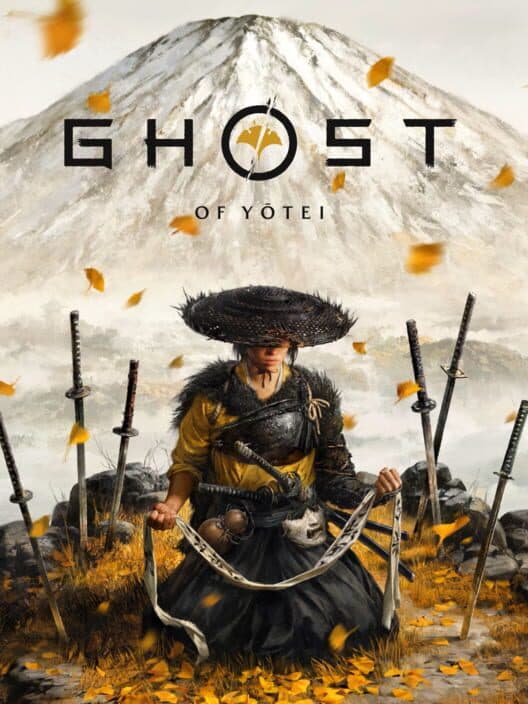
Ghost of Yotei
Sony Interactive Entertainment • 2025 • PlayStation 5
Is Ghost of Yotei Worth It?
Ghost of Yotei is worth it if you want a polished, beautiful revenge adventure with excellent sword combat and enough flexibility to fit into weeknight sessions. Its best moments come from the rhythm between peaceful rides through Ezo, clue-led exploration, and sudden duels that feel sharp and weighty. The world usually rewards curiosity with something useful or memorable, so wandering rarely feels like pure filler at first. What it asks from you is moderate attention and a willingness to learn parry timing, weapon matchups, and a familiar open-world loop. What it gives back is style, atmosphere, clean usability, and satisfying fights. Buy at full price if you loved Ghost of Tsushima or want a big single-player game that looks and feels premium. Wait for a sale if repetitive side activities or safe storytelling tend to wear you down. Skip it if you want constant novelty, deep role-playing choice, or a lighter tone.
What is Ghost of Yotei like?
Opinions of Ghost of Yotei
What Players Love
- Players Love
Combat feels weighty and is the clear standout
Players regularly say the swordplay is the biggest upgrade, with duels, weapon variety, and impact making fights rewarding even when other parts feel familiar.
- Players Love
Ezo's world makes exploration feel worth your time
Beautiful vistas, clue trails, and useful discoveries make wandering feel rewarding. Many players say the world itself is a major reason to keep going off the main path.
Common Concerns
- Common Concern
Side activities can start to feel familiar over time
Several players enjoy the polish but say camps, checklists, and optional tasks eventually repeat a recognizable formula, especially if you try to clear too much of the map.
Divisive Aspects
- Divisive
The revenge story works, but rarely steals the show
Many players stay engaged by the main hunt, but a noticeable group feels the writing is less memorable than the combat, scenery, and moment-to-moment adventure.
- Divisive
Sharper parry timing excites some players and frustrates others
For some, tougher duels add welcome bite and drama. For others, stricter timing windows push them toward lower settings to keep the flow enjoyable.
What does Ghost of Yotei demand from you?
Time
MODERATETime
This is a sizable but manageable solo journey, with clean stopping points, easy saves, and enough structure that weeknight sessions still feel productive.
Focus
MODERATEFocus
You need steady attention for enemy tells, spacing, and route choices, but quiet rides and clear objectives keep it from feeling mentally exhausting all night.
Challenge
MODERATEChallenge
It is not brutally hard, but you do need to learn parries, weapon matchups, and stealth basics before the combat really starts to click.
Intensity
MODERATEIntensity
Most of the game feels controlled and cinematic, with tension spikes during duels and camp fights instead of constant panic or punishing dread.
Frequently Asked Questions
You Might Also Like
Games with a similar rhythm and feel, even if they look different