Assassin's Creed Shadows

Ubisoft Entertainment2025Xbox Series X|S, Nintendo Switch 2, PC (Microsoft Windows), PlayStation 5, Mac
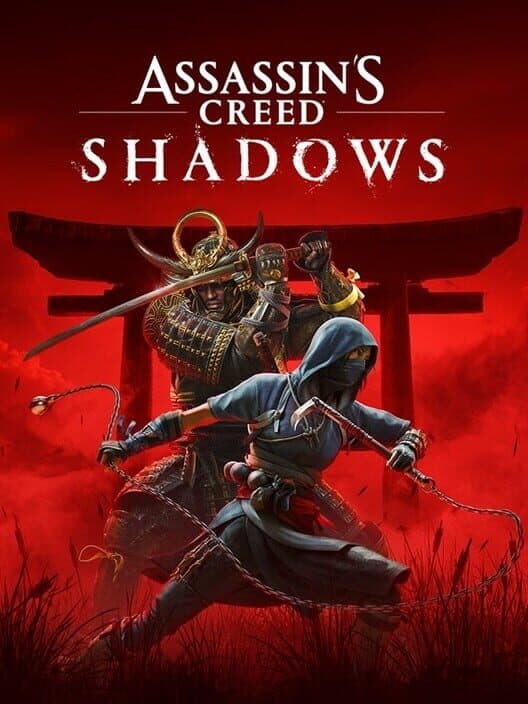
Dual-protagonist stealth and samurai action

Sprawling Sengoku Japan open world

Long story-driven campaign with progression

Is Assassin's Creed Shadows Worth It?

Assassin’s Creed Shadows is worth it if you want one big, lavish single-player game to sink into for several weeks. It shines for players who like both careful stealth and chunky melee combat, with a strong dose of historical tourism across feudal Japan. In return, it asks for a decent amount of time and attention: you’ll get the most out of it if you can regularly spare 60–90 minute sessions and tolerate some open-world repetition. The story and dual protagonists are engaging, though not quite on the level of the very best narrative games, and the real hook is long-term progression. Leveling two heroes, expanding your Hideout, and collecting legendary gear feels consistently rewarding. If you’re burned out on Ubisoft-style maps or only want something short and tightly focused, you might be happier waiting for a sale or skipping it. But if you’re craving one big, beautiful stealth-and-sword saga to live in for a while, it’s an easy recommendation at full price.

When is Assassin's Creed Shadows at its best?

When you have a focused 60–90 minutes in the evening and want to clear a single fortress or contract from start to finish, including planning, infiltration, and a quick Hideout upgrade.

On a laid-back night after work when your brain is tired, using auto-follow to ride, sightseeing, doing light side quests, and casually investing resources back at the Hideout.

During a quiet weekend session when you can play two or three hours, advancing several story missions in a row and really sinking into the world, characters, and progression systems.

What is Assassin's Creed Shadows like?

Shadows is built as a long, single-player journey rather than something you burn through in a weekend. A focused main-story run is around 30–40 hours, and most busy adults who mix in side content will likely spend 40–60 hours before credits. That translates into several weeks of play at 5–10 hours per week. The good news is that the structure respects typical adult sessions reasonably well. Castles, contracts, and assassination targets can often be scoped and completed in 60–90 minutes, especially if you know where you’re heading when you start. You can pause freely, and autosaves are frequent, though manual saving takes a few menu steps and isn’t always available mid-fight. Coming back after a break involves re-learning builds, Hideout plans, and which province you were focused on, so expect a brief “what was I doing?” moment. It’s a great fit if you want one big game to live in for a month or two, played entirely on your own schedule.

Tips

  • Aim to start a session by picking one castle, contract, or board target so you have a clear goal you can finish in under two hours.
  • Try to stop after returning to the Hideout and spending new resources; that’s a natural breakpoint that makes it easier to remember your plans later.
  • If you’ll be away from the game for a while, jot a quick note on your next objective and upgrade plans before quitting.

Moment to moment, this is a game that wants you reasonably alert but not wired. Infiltrating castles as Naoe means reading patrol paths, sight lines, and vertical routes, then threading your way through without getting spotted. Swapping to Yasuke asks you to time blocks, parries, and dodges, though enemy attacks are clearly telegraphed and the timing windows are generous on normal settings. Outside of danger zones, horse auto-follow and calmer traversal let you relax a bit, enjoy the scenery, or sip a drink between objectives. You’ll also check maps, manage gear, and assign scouts, but none of these menus are so dense that they demand full mental bandwidth. It’s not a background podcast game during stealth or combat, yet it’s far from a pure twitch test. If you can give it solid, undistracted attention—especially for infiltrations—you’ll be fine, and you can always lean on assists when you’re playing tired.

Tips

  • Save complex castle infiltrations for nights when you’re alert; on low-energy evenings, just explore, gather resources, or tinker with Hideout upgrades.
  • Use Guided Exploration, Observe, and map markers so you spend less effort remembering objectives and more enjoying the world and moment-to-moment choices.
  • Lean on horse auto-follow during long rides to reduce micro-steering and give your eyes and brain regular breaks between tense missions.

Getting comfortable in Shadows doesn’t require hardcore dedication, but it does ask for a little patience. The first several hours introduce two very different heroes, stealth tools, melee stances, and the Hideout layer. Expect a couple of sessions before everything feels natural. Once you’re there, improving your skills absolutely pays off. Learning how guards react, finding cleaner routes through castles, and timing parries better all make missions flow more smoothly and stylishly. That said, the game is kind to players who don’t care about perfect execution. You can rely on gear upgrades, allies, and lower difficulty settings to brute-force past tricky sections if your timing or stealth instincts aren’t amazing. For busy adults, that’s the sweet spot: you’re rewarded for getting better, but not walled out if you’re rusty or only playing a few hours per week.

Tips

  • Early on, focus on a single main playstyle, either stealth-first Naoe or direct-combat Yasuke, instead of trying to master everything at once.
  • Don’t be shy about choosing Story or Forgiving modes while learning; you can always raise difficulty later once movement and tools feel natural.
  • Treat Hideout upgrades as long-term goals, not chores; invest in buildings that match how you actually play rather than chasing every possible unlock.

This is a moderately intense game rather than a soul-crushing one. Sneaking through castles can feel genuinely tense: a single mistake might trigger alarms, armored guards, and province-wide hunters. Combat is bloody and weighty, with brutal finishers that can feel heavy after a long day. However, when things go wrong, the consequences are usually short-term. You reload nearby, you don’t lose hard-earned gear, and you can immediately try a different approach. On lower difficulty settings, enemies hit less hard and spot you more slowly, turning many encounters from nail-biting to comfortably exciting. The violence is graphic by default, but you can tone down blood and dismemberment if that imagery adds unwanted stress. Overall, this sits in the same emotional band as other cinematic action games: enough pressure to keep your heart engaged, not so much that you’ll walk away shaken. If you’re already wired from work, dialing difficulty down a notch keeps the experience more relaxing than punishing.

Tips

  • If stealth tension spikes your anxiety, drop stealth and combat difficulty a notch so mistakes feel like quick do-overs instead of exhausting slogs.
  • Turn on blood and dismemberment filters if graphic violence bothers you or you’re playing in a more public or family space.
  • Plan shorter sessions when tackling tough fortresses; ending after a win keeps the experience exciting instead of draining.

Frequently Asked Questions