Annapurna Interactive • 2027 • Xbox Series X|S, Nintendo Switch 2, PC (Microsoft Windows), PlayStation 5
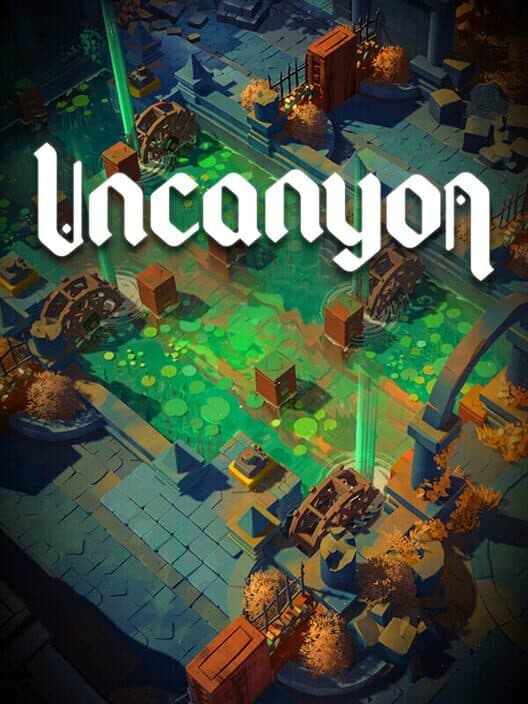
Uncanyon
Annapurna Interactive • 2027 • Xbox Series X|S, Nintendo Switch 2, PC (Microsoft Windows), PlayStation 5
Is Uncanyon Worth It?
Uncanyon looks promising, but this is still a pre-release read rather than a firm day-one verdict. If you love brainy adventures where the big reward is understanding a strange place, this already looks like a strong fit. Its best hook is simple and appealing: shift a room between realities, keep part of one version, and suddenly a blocked path or impossible bridge makes sense. That should make it great for players who want satisfying nightly puzzle wins instead of combat-heavy spectacle. What it seems to ask from you is steady attention, some spatial thinking, and a willingness to leave yourself notes if you take long breaks. In return, it looks ready to deliver scenic exploration, clever room design, and that great 'aha' feeling when a chamber clicks. If launch reviews confirm the puzzle design really lands, full price could make sense for puzzle-first players. If you want clear marketing, heavy action, or easy pickup after weeks away, wait for a sale or skip.
What is Uncanyon like?
Opinions of Uncanyon
What Players Love
- Players Love
Reality-shifting spaces are the clear early hook here
Early reactions keep circling back to the shifting architecture and reality-blending rooms. That central idea already feels distinct and is doing most of the game's early selling.
- Players Love
Art direction gives the world warmth, charm, and calm
Comments often praise the colorful ruins and calm fantasy mood. Even with limited footage, the world already reads as inviting, stylish, and easy to spend time in.
Common Concerns
- Common Concern
The trailer shows mood better than moment-to-moment play
A common hesitation is that the reveal trailer sells atmosphere better than the basic loop. Players want a clearer sense of how much time goes to puzzles, exploration, and combat.
Divisive Aspects
- Divisive
Hints of combat split early reactions more than expected
A few viewers worry that combat could distract from the puzzle-first identity, while others think the trailer showed too little fighting to judge either way.
What does Uncanyon demand from you?
Time
MODERATETime
It looks built for steady weeknight play: one chamber, one breakthrough, then stop, though long breaks may blur your memory of half-solved spaces.
Focus
MODERATEFocus
Most of your attention goes into reading shifting rooms and planning sequences, with far more thinking than fast input and only a little downtime between puzzle chambers.
Challenge
MODERATEChallenge
The trick is learning the world’s shifting-room logic, not mastering hard controls, so the early hours should feel thoughtful and teachable rather than punishing.
Intensity
LOWIntensity
This leans toward curiosity and mild puzzle pressure, not panic, with setbacks that look short and local even when a room gets stubborn.
Frequently Asked Questions
You Might Also Like
Games with a similar rhythm and feel, even if they look different