Annapurna Interactive • 2023 • Xbox Series X|S, PlayStation 4, PC (Microsoft Windows), PlayStation 5, Xbox One, Nintendo Switch
Cocoon
Annapurna Interactive • 2023 • Xbox Series X|S, PlayStation 4, PC (Microsoft Windows), PlayStation 5, Xbox One, Nintendo Switch
Is Cocoon Worth It?
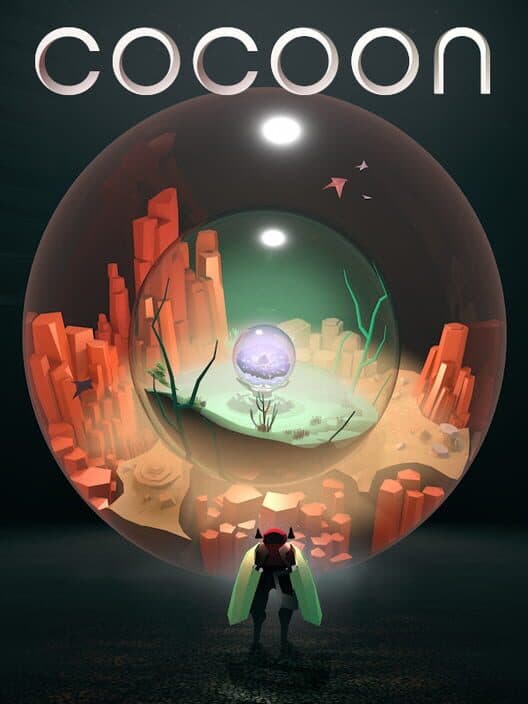
Yes, Cocoon is worth it if you want a short, elegant game built around pure discovery rather than long-term progression. Its big trick, carrying worlds inside orbs and using those worlds as puzzle pieces, stays fresh all the way through, and the wordless presentation gives the whole thing a memorable, alien mood. What it asks from you is steady attention and a willingness to think through space instead of expecting constant hints. What it gives back is a steady run of satisfying aha moments with very little filler, grind, or wasted time. Buy at full price if you love smart design, atmospheric presentation, and concise games you can finish in a few nights. Wait for a sale if you mainly judge value by hours or want something you will replay for months. Skip it if you need strong story explanation, lots of combat, or puzzle games that let you brute-force your way forward. For the right player, it is one of the cleanest premium experiences of its size.
What is Cocoon like?
Opinions of Cocoon
What Players Love
- Players Love
Nested world puzzles stay clever from start to finish
Players consistently praise how the orb-world idea keeps evolving. Later solutions feel clever and earned, with each new twist building cleanly on what you already learned.
- Players Love
Atmosphere and sound carry the story without heavy dialogue
The alien art, sound, and wordless delivery make the journey memorable without heavy dialogue. Many players say the world communicates mood and meaning through pure design.
- Players Love
Short runtime feels polished instead of stretched with filler
A lot of fans like that the game ends before the idea wears out. The campaign stays focused, cuts filler, and delivers a complete arc in just a few sittings.
Common Concerns
- Common Concern
Short campaign can feel pricey at full price
The biggest complaint is value for money. Even happy players sometimes feel a 5 to 7 hour first run, with little reason to replay, is better bought on sale.
Divisive Aspects
- Divisive
Wordless design delights some players but leaves others lost
Some players love piecing things together from visuals alone, while others want clearer story beats or stronger hints when a later puzzle chain stops making sense.
What does Cocoon demand from you?
Time
LOWTime
A short, self-contained journey that fits neatly into weeknights, though returning after a break may mean a few minutes of remembering your current puzzle chain.
Focus
MODERATEFocus
Mostly quiet, brain-on play where you study rooms, juggle nested spaces, and test ideas, with only short bursts of dodging or timing.
Challenge
MODERATEChallenge
Easy hands, trickier brain: you learn the controls fast, then spend the rest of the game getting better at seeing how spaces relate.
Intensity
LOWIntensity
This stays calm far more often than it spikes, trading panic for curiosity and making its boss moments feel sharp without turning the whole journey stressful.
Frequently Asked Questions
You Might Also Like
Games with a similar rhythm and feel, even if they look different