Outer Wilds

Annapurna Interactive2019Xbox Series X|S, PlayStation 4, PC (Microsoft Windows), PlayStation 5, Xbox One, Nintendo Switch
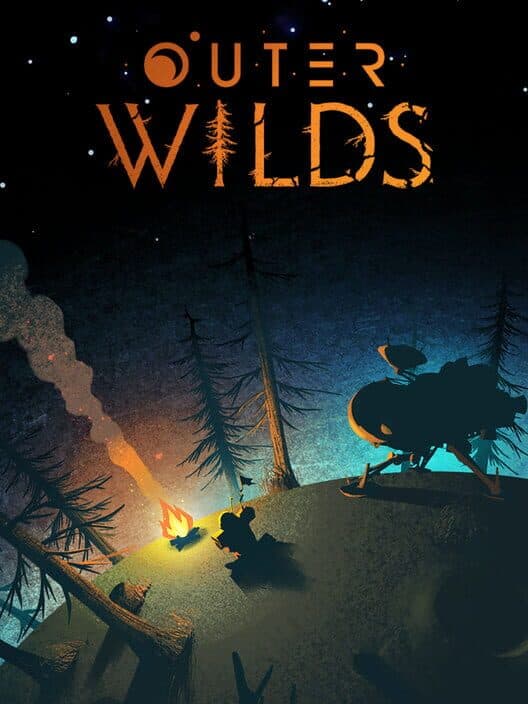
Open-ended space exploration time-loop mystery

Short 20-minute loops structure play

Thoughtful, solitary, story-driven journey

Is Outer Wilds Worth It?

Outer Wilds is absolutely worth it if you enjoy exploration, mysteries, and games that trust you to figure things out. There’s no loot treadmill or skill tree; instead, the entire experience is about learning how this tiny solar system works and what happened here. That means it asks for patience, curiosity, and a willingness to poke at problems from different angles rather than brute‑forcing them. In return, you get one of the most memorable stories in modern games, delivered almost entirely through your own discoveries. The finale lands especially hard if you’ve followed the clues yourself instead of using a guide. For busy adults, the short loops and 15–25 hour length are a big plus: you can make real progress in an evening and see the whole journey in a few weeks. Buy at full price if you love narrative puzzles, environmental storytelling, or games like Myst or Return of the Obra Dinn. Wait for a sale if you mainly crave combat or hate feeling stuck. Skip it if reading, wandering, and quiet reflection just don’t appeal.

When is Outer Wilds at its best?

When you have about an hour and the mental energy to read, think, and fly without background distractions, perfect for following one or two rumor threads to a fresh discovery.

On a relaxed weekend evening when you can chain several loops, slowly untangling a tricky planet’s secrets and enjoying the cozy campfire breaks and music between attempts.

When you and a partner or friend feel like sharing a thoughtful experience on the couch, taking turns at the controls and debating theories together, even though the game is strictly single-player.

What is Outer Wilds like?

For a busy adult, Outer Wilds fits nicely into a few weeks of regular play. Most people will see the credits in 15–25 hours, which is long enough to feel substantial but not a months‑long commitment. Because each loop caps at 22 minutes, you can make real progress in a 45–90 minute session—enough time for several attempts and at least one meaningful breakthrough. The game is very friendly to pausing and stopping mid‑evening. You can pause anywhere, and quitting usually sends you back to the campfire with your log fully updated. The tradeoff is that it relies heavily on your memory: if you leave it for a few weeks, you may need a full night just to re‑orient. There’s no co‑op pressure, no dailies, and no raid schedule, just a single-player journey on your own terms. If you can manage a couple of focused sessions each week, the whole story is comfortably achievable.

Tips

  • Try to end sessions after reviewing your ship log at the campfire so you start next time with clear, fresh leads in mind.
  • Avoid multi-week gaps if possible; even one short “refresher” session can keep the solar system’s layout and open questions alive in your memory.
  • If life gets busy, jot down one or two next-step ideas at the end of a session so returning feels less overwhelming.

Playing Outer Wilds feels a bit like juggling a star map and a notebook in your head. You’re always tracking which clues you’ve followed, which planets you’ve checked, and what a new discovery might mean for the bigger picture. Reading Nomai conversations, watching how sand moves or structures collapse, and then deciding your next loop’s route all keep your mind engaged. On the physical side, piloting and basic platforming aren’t trivial, but they’re not the main show. Once you’ve internalized the controls, they mostly fade into the background so you can focus on observation and planning. This isn’t a game to half‑watch while scrolling your phone; it rewards paying attention to small environmental details and to your log. At the same time, its calm pace and lack of frantic combat mean you don’t need arcade reflexes or constant peak focus, just a steady, curious mindset.

Tips

  • Start each session by rereading your ship log and picking one or two specific leads so your attention stays focused instead of drifting aimlessly.
  • If you’re tired, favor calmer tasks like reading logs or revisiting known areas rather than diving into Dark Bramble or tricky platforming sections.
  • Consider jotting short notes or taking screenshots of key clues if you only play a few nights a week, so you don’t rely purely on memory.

Outer Wilds isn’t “hard” in the traditional sense, but it does ask you to learn a new mental toolkit. Early hours are about getting a feel for zero‑G flight, how your ship handles, how gravity varies, and what the 22‑minute timer really means. Once those basics settle, the main challenge shifts toward paying attention, remembering details, and drawing connections across distant locations and logs. There’s a real sense of growth as you become the kind of player who can land precisely, thread dangerous areas confidently, and plan intricate loops that hit multiple objectives before the sun goes. The payoff for that improvement is smoother, less frustrating exploration and the satisfaction of pulling off a clean final run. However, there’s not a long tail of escalating mechanical difficulty afterward; once you’ve solved things and reached the ending, there isn’t a deep mastery ladder to climb. Skill matters, but understanding matters more.

Tips

  • Give yourself a few dedicated early sessions to practice flying, landing, and suit use without worrying too much about “progress.”
  • When something feels impossible, assume you’re missing information rather than raw skill; revisit other clues before grinding attempts on a single puzzle.
  • Try to mentally rehearse a loop before you launch—what you’ll do first, second, and third—so you gradually build better routes.

Moment to moment, Outer Wilds is gentler than it sounds: there’s a cozy campfire, friendly Hearthians, and a playful tone to much of your exploration. Many loops feel relaxed, even meditative, as you drift through space or read logs in quiet ruins. But layered under that is a ticking clock and the knowledge that the sun will explode, which adds a subtle background tension. Certain places turn that tension way up. Dark Bramble’s fog, the collapsing core of Brittle Hollow, or timing puzzles on the Hourglass Twins can absolutely spike your heart rate. You’re rarely under attack, yet the fear of falling, getting lost, or running out of air creates real nerves. Fortunately, because you don’t lose long-term progress on death, the emotional stakes never become brutal frustration. It’s intense in brief, memorable bursts, not a constant barrage, making it a good fit if you like a bit of dread but not sustained stress.

Tips

  • Avoid exploring the scariest areas, like Dark Bramble, on nights when you’re already anxious; tackle them when you feel steady and curious.
  • Remember that death costs only a few minutes, not your overall progress, which can help reframe tense moments as experiments instead of high-stakes failures.
  • If late-loop races stress you out, intentionally reset early sometimes so you can practice tricky segments with a full timer and less pressure.

Frequently Asked Questions