Zadbox Entertainment • 2026 • Xbox Series X|S, Linux, PC (Microsoft Windows), PlayStation 5, Mac
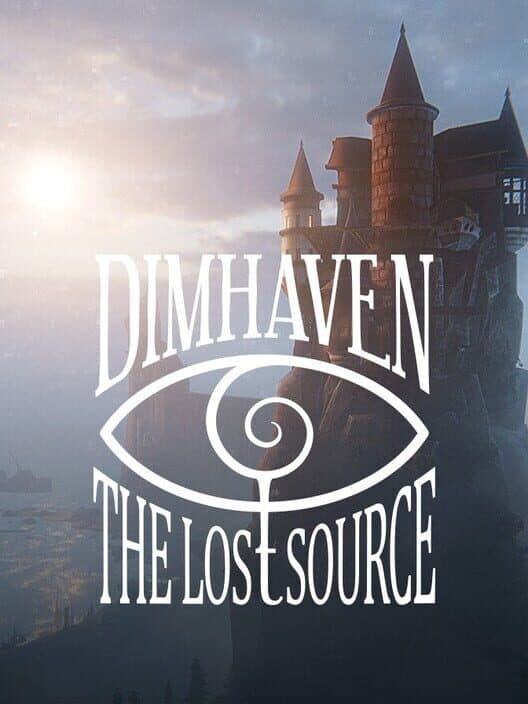
Dimhaven: The Lost Source
Zadbox Entertainment • 2026 • Xbox Series X|S, Linux, PC (Microsoft Windows), PlayStation 5, Mac
Is Dimhaven: The Lost Source Worth It?
Yes, Dimhaven: The Lost Source is worth it if you enjoy being dropped into a moody mystery and solving your way forward with very little hand-holding. Its best trick is how it turns observation into payoff. Snapping photos, checking your notes, and finally making sense of a strange device gives the game real eureka energy that many first-person adventures never reach. It also respects your schedule better than most big releases: one run is finite, saves are flexible, and you can feel done after a strong weekend of play. Buy at full price if you already love Myst-like puzzle adventures, escape-room thinking, or games that trust you to figure things out. Wait for a sale if you like the atmosphere but get frustrated by opaque logic, because the late game and ending are the biggest sticking points. Skip it if you want combat, clear quest markers, or a story-first ride where the plot carries you even when the puzzles do not.
What is Dimhaven: The Lost Source like?
Opinions of Dimhaven: The Lost Source
What Players Love
- Players Love
Atmosphere, music, and art leave a strong lasting impression
Even mixed reviews praise the misty island mood, strong sound work, and bold art style. The place feels distinctive enough to carry quieter stretches of play.
- Players Love
Camera and notebook make puzzle breakthroughs feel earned
Players love using photos and notes to turn scattered clues into real solutions. When a multi-room puzzle clicks without a guide, the payoff feels especially earned.
Common Concerns
- Common Concern
Ending and story payoff leave many wanting more clarity
The mystery setup hooks people early, yet the finale is often called abrupt or under-explained. If story closure matters most to you, keep expectations measured.
- Common Concern
Promising early freedom narrows into a more guided second half
The opening suggests a broader island adventure than the later hours deliver. Some like the tighter path, while others miss the early sense of space and freedom.
Divisive Aspects
- Divisive
Minimal hand-holding makes puzzles thrilling or frustrating
Many players love being trusted to figure things out alone, but others feel some late puzzles lean too hard on ambiguity, visual precision, or weak hint wording.
What does Dimhaven: The Lost Source demand from you?
Time
LOWTime
This is a tidy mystery you can finish in a handful of evenings. Saves are flexible, but coming back cold means rebuilding your clue web.
Focus
MODERATEFocus
Most of your time goes into scanning spaces, spotting patterns, and connecting clues. It asks for real concentration, but almost never quick hands.
Challenge
MODERATEChallenge
You can learn the tools fast, but learning how the game hides answers takes longer. Patience and clue-tracking matter far more than dexterity.
Intensity
LOWIntensity
The pressure comes from being stuck, not being chased. Calm exploration can turn into stubborn puzzle frustration, then snap back into a satisfying breakthrough.
Frequently Asked Questions
You Might Also Like
Games with a similar rhythm and feel, even if they look different