hello@slated.gg
Powered by IGDB•Privacy•Terms

© 2026 Slated.gg

Slated.gg
Popular GamesAboutDiscover Games
Ondeh Ondeh Kaya's Tasty Tale

Bandai Namco Entertainment • 2027 • Xbox Series X|S, Nintendo Switch 2, PC (Microsoft Windows), PlayStation 5
Satisfying to completeGreat for winding downEasy to jump into
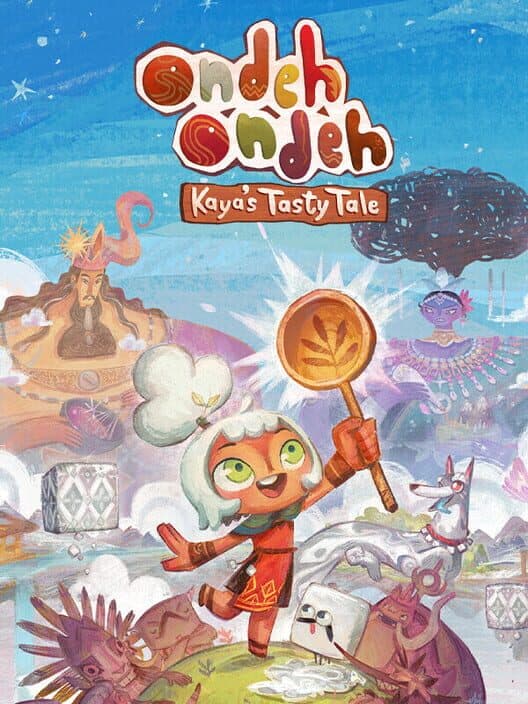
Ondeh Ondeh Kaya's Tasty Tale cover art

Ondeh Ondeh Kaya's Tasty Tale

Bandai Namco Entertainment • 2027 • Xbox Series X|S, Nintendo Switch 2, PC (Microsoft Windows), PlayStation 5

Satisfying to completeGreat for winding downEasy to jump into

Is Ondeh Ondeh Kaya's Tasty Tale Worth It?

Potentially yes, but because it is still unreleased, this is more a wait-for-reviews recommendation than a blind buy. If the finished game matches current footage, it looks like a strong pick for anyone who wants a warm, colorful journey with real cultural personality, light combat, and puzzles that do more than fill space between cutscenes. The big appeal is the blend of music, exploration, and heart. You should get a compact story, memorable worldbuilding, and enough variety to make weeknight sessions feel rewarding without turning into a second job. The main risk is depth. We still do not know whether the rhythm layer stays clever across the whole campaign or fades into a light gimmick after the opening hours. Buy at full price if early reviews say the puzzles and music stay fresh and you already love guided adventures like this. Wait for a sale if you need proof first. Skip it if you want deep combat systems, open-ended creativity, or a huge time sink.

What is Ondeh Ondeh Kaya's Tasty Tale like?

Opinions of Ondeh Ondeh Kaya's Tasty Tale

What Players Love

  • Players Love

    Fresh, playful reveal stands out right away for many viewers

    Early reactions keep circling back to the bright look, warm tone, and inviting energy. Even with limited footage, people say it feels distinct at a glance.

  • Players Love

    Southeast Asian identity gives the world real personality

    Players respond strongly to the dessert theme, music cues, and regional touches. The setting feels specific and heartfelt instead of like a generic fantasy backdrop.

  • Players Love

    Rhythm mixed with puzzles feels like a strong hook

    Using music across exploration, obstacles, and fights is the main mechanical draw so far. It gives the adventure a clear identity in early previews and store pages.

Common Concerns

  • Common Concern

    Players still need proof the full game has depth

    Interest is high, but reveal-era reactions also show caution. People want to see whether the rhythm ideas stay fresh and meaningful across the whole story.

What does Ondeh Ondeh Kaya's Tasty Tale demand from you?

Time

LOW

Time

This looks like a compact solo trip made for weeknights, though checkpoint saving may matter if you often need to stop in the middle of a puzzle.

LOW

This asks for a modest, manageable slice of your week and seems ready to pay it back with clean progress. Current estimates point to a compact story journey, likely around 8 to 16 hours for most people, which makes it feel more like a short project than a long-term hobby. The structure also looks friendly to 45 to 90 minute sessions. A typical night should let you clear a puzzle chain, explore a small region, or reach the next story beat before stopping. Because it is single-player and offline, there are no group schedules, no daily chores, and no ladder pressure pulling you back. The main caveat is saving. Checkpoint-based progress means pausing should be easy, but quitting at the exact second you want may depend on where the last checkpoint sits. Even so, this looks far easier to fit into real life than an online or open-ended game. Step away for a week and you should need only a brief memory refresh, not a full restart.

Tips
  • 8-16 hour story
  • Great for weeknight chunks
  • Checkpoint saves, not anywhere

Focus

MODERATE

Focus

You'll be reading spaces, following rhythm cues, and solving room-sized problems most of the time, with enough action to stay lively but rarely enough to feel frantic.

MODERATE

This asks for steady attention and rewards you with variety. A normal session should have you scanning a 3D space, listening for musical cues, spotting a hidden path, solving a room-sized obstacle, then handling a short enemy encounter. That means you probably won't want to play with half your attention on a phone or TV show. The thinking itself does not look exhausting, though. It seems concrete and readable: look around, notice the pattern, line up your timing, use the right ability, move forward. For busy players, that mix is a plus. You get the nice feeling of being actively engaged without the brain-burn of a giant skill tree, open-ended crafting system, or brutally fast action loop. If the final build matches the reveal, the game should sit in a sweet spot between cozy wandering and full-on action pressure. It wants your eyes, ears, and a little problem-solving energy, then pays that back with colorful spaces, satisfying room-by-room progress, and a steady sense of discovery.

Tips
  • Read spaces before moving
  • Keep the music audible
  • Not ideal background play

Challenge

LOW

Challenge

The first few hours should teach a musical puzzle language that may feel odd at first, then settle into a friendly, learnable rhythm.

LOW

This asks for a little adaptation early and then likely settles into comfortable forward motion. The main learning hump should be understanding how rhythm connects to everything else. Once that language clicks, the rest of the game looks more about recognizing recurring ideas than surviving a brutal skill test. That is a good fit for people who like learning a game's logic more than grinding perfect execution. Expect the first few sessions to feel busier as you absorb movement rules, ability uses, and the rhythm of hazards and encounters. After that, the challenge should come from applying what you know in slightly new spaces. Because the game appears family-friendly and checkpoint-based, mistakes probably cost a little time, not a huge emotional setback. The reward for that gentler learning curve is steady satisfaction. You should feel yourself getting more fluent fairly quickly, with puzzles and fights becoming smoother instead of dramatically harsher. If you want a game that teaches well and rarely slaps your hands, this looks promising.

Tips
  • Basics should click fast
  • Timing needs some practice
  • Learn abilities as verbs

Intensity

LOW

Intensity

Expect warm, playful energy with brief boss and hazard spikes, so sessions feel alert and upbeat far more often than nerve-racking or exhausting.

LOW

This asks for light alertness and delivers a mostly comforting ride. Even though there are enemies, hazards, and boss-style moments, the overall tone looks bright, warm, and inviting. That matters. A game can be active without being stressful, and this one seems built around short spikes of pressure rather than constant fear or punishment. You may feel a quick burst of tension when a rhythm section tightens up or a fight asks you to dodge cleanly, but the emotional baseline should stay low. The friendly art, younger age rating, and heartwarming pitch all suggest the game wants you energized, not drained. For many players, that makes it ideal for weeknights when you want something lively but not overwhelming. The likely tradeoff is that players chasing hard-earned victory highs may find it too gentle. If the final game lands as expected, it will keep you engaged through charm, pacing, and momentum, not through relentless danger.

Tips
  • Warm tone, light stakes
  • Bosses add brief spikes
  • Mistakes should bounce quickly

Frequently Asked Questions

Probably easy-to-medium overall, with the trickiest part being timing and pattern reading rather than brutal punishment. Based on current footage, this looks much gentler than a hard rhythm game or a demanding action game. Think closer to a friendly 3D adventure with beat-based obstacles than anything built to test elite reflexes. Learning it may take a few sessions because you are not just moving and fighting; you are also learning how the music connects to traversal, puzzles, and hazards. That is hard to learn in a light way, not hard to survive in a punishing way. Once the rules click, the moment-to-moment challenge should come from reading the room, matching timing, and using the right ability at the right spot. Players who dislike rhythm cues or struggle with timed platforming may find it tougher than the art style suggests. Players used to Zelda-style puzzle adventures will probably settle in quickly. Until reviews confirm the final tuning, expect thoughtful and occasionally demanding, not punishing.

Expect roughly 8 to 16 hours for a normal story-focused playthrough, with optional secrets likely pushing that a bit higher. For most people, that makes it a short multi-week game rather than a monthslong project. If you play in 60 to 90 minute chunks, it seems well suited to finishing one puzzle chain, exploring one sub-area, or reaching the next story beat before bed. Current technical info points to checkpoint saving rather than full save-anywhere freedom, so the cleanest stopping points may come after a puzzle room, ability unlock, or village return. That does not sound rigid, but it may be less flexible than quitting at any exact second. Completionists who chase hidden routes and backtrack with later abilities could likely stretch it into the mid-to-high teens. Replay value looks modest, so most of the value should come from one solid first playthrough rather than repeated runs.

Probably low-stress overall. The main feeling looks warm, playful, and curious, with brief spikes of pressure during rhythm puzzles, hazards, and boss moments. That kind of stress is the good kind for most people: stay alert, read the pattern, nail the timing, move on. It does not look like the bad kind that comes from horror, severe punishment, or constant fear of losing major progress. The E10+ tone, colorful art, and family-friendly framing all point toward a game that wants you engaged, not frazzled. You may still feel a little tense if you are bad at timed inputs, especially when a puzzle asks you to move to a beat or dodge something in real time. Even then, the overall mood should cool things back down quickly between spikes. This looks like a better fit for a normal weeknight than for those moments when you want pure background comfort. If you are choosing between cozy and chaotic, it lands closer to cozy with a lively pulse.

Yes, completely. In fact, it appears built entirely for solo play, so you will not be juggling party schedules, voice chat, or online obligations. That alone makes it friendlier than most games with rhythm or action hooks, because your progress depends only on your own time and attention. Current store pages point to a fully offline-capable single-player adventure with full pause support, which is great for real-life interruptions. The main caveat is the likely checkpoint-based saving. You should be able to stop moment to moment by pausing, but the cleanest quit points may still come after finishing a puzzle section or reaching a safe area. Rejoining after a few days also looks manageable. This does not seem like the kind of game where you need to remember a giant skill tree or a dozen overlapping systems. You may need a few minutes to remember an ability or where a path was blocked, but it should come back quickly. If you mainly want something personal, self-paced, and easy to fit around life, this looks well aligned.

No, it does not appear pay-to-win at all. Everything public so far points to a normal one-time purchase with no advertised power sales, battle pass, or competitive shortcuts. That matters here because the game is also single-player only, so there is no ranking ladder or player economy for paid advantages to even make sense. As of now, store pages on PC and console read like a standard premium release: buy the game, play the game. There is still a small pre-release caveat. Because the game has not launched yet, storefront details could change, and future cosmetic add-ons or soundtrack bundles are always possible. Even so, nothing in the current listings suggests paid boosts, paid unlocks, or any system where spending extra money would make Kaya stronger or let you bypass meaningful progress. Unless the monetization plan changes between now and release, this looks like the clean, old-fashioned kind of purchase many players prefer.

You Might Also Like

Games with a similar rhythm and feel, even if they look different

Explore more→
Spyro: A Realm Beyond game cover art
Satisfying to completeGreat for winding down

Spyro: A Realm Beyond

Time
LOW
Focus
MODERATE
Challenge
LOW
Intensity
LOW
Kirby and the World Beyond game cover art
Satisfying to completeGreat for winding down

Kirby and the World Beyond

Time
LOW
Focus
MODERATE
Challenge
LOW
Intensity
VERY LOW
Stray game cover art
Satisfying to completePerfect for a weekend

Stray

Time
VERY LOW
Focus
LOW
Challenge
LOW
Intensity
LOW
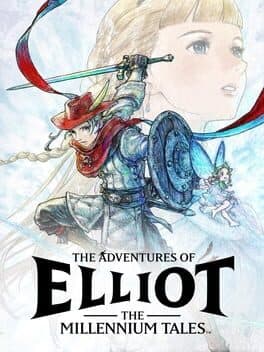
The Adventures of Elliot: The Millennium Tales game cover art
Satisfying to completePerfect for a weekend

The Adventures of Elliot: The Millennium Tales

Time
MODERATE
Focus
MODERATE
Challenge
MODERATE
Intensity
MODERATE
Indiana Jones and the Great Circle game cover art
Satisfying to completeEasy to jump into

Indiana Jones and the Great Circle

Time
MODERATE
Focus
MODERATE
Challenge
LOW
Intensity
LOW
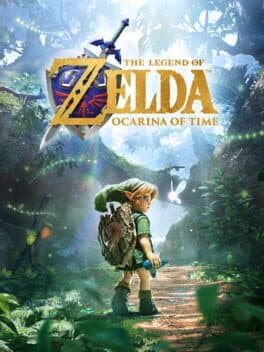
The Legend of Zelda: Ocarina of Time game cover art
Satisfying to complete

The Legend of Zelda: Ocarina of Time

Time
MODERATE
Focus
MODERATE
Challenge
MODERATE
Intensity
LOW
← Back to Home