hello@slated.gg
Powered by IGDB•Privacy•Terms

© 2026 Slated.gg

Slated.gg
Popular GamesAboutDiscover Games
The Legend of Zelda: Ocarina of Time

Nintendo • 2026 • Nintendo Switch 2
Satisfying to completeQuick sessions
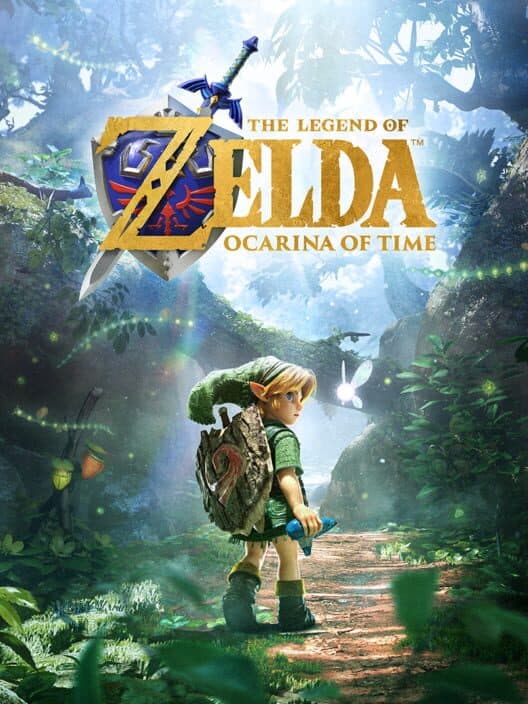
The Legend of Zelda: Ocarina of Time cover art

The Legend of Zelda: Ocarina of Time

Nintendo • 2026 • Nintendo Switch 2

Satisfying to completeQuick sessions

Is The Legend of Zelda: Ocarina of Time Worth It?

Probably yes, if you want a focused quest built around puzzle dungeons, memorable places, and steady forward progress. Based on what Nintendo has shown, this remake looks like the best fit for people who always meant to play Ocarina of Time but bounced off older controls or visuals. What makes it special is the rhythm: explore a region, learn a song or get a new tool, watch a whole dungeon open up around that idea, then leave feeling like you truly accomplished something. It asks for some patience with older quest logic and a willingness to remember clues between sessions, but it does not demand fast reflexes or a huge weekly commitment. At 20 to 30 hours, it is long enough to feel epic without becoming your whole life. Buy at full price if classic puzzle-heavy design and Nintendo polish are exactly what you want. Wait for reviews or a sale if you are unsure about the art direction, voice acting, or how faithful the remake stays. Skip it if you want sandbox freedom, deep character builds, or constant action.

What is The Legend of Zelda: Ocarina of Time like?

Opinions of The Legend of Zelda: Ocarina of Time

What Players Love

  • Players Love

    The visual overhaul lands as pure nostalgia payoff

    Preview reactions are strongest around seeing familiar places rebuilt at modern scale, with many fans saying this feels like the version they imagined for years.

  • Players Love

    Modern controls look like the right kind of update

    Free camera, dash movement, faster swimming, and cleaner controls are widely seen as upgrades that could make the classic quest easier to enjoy today.

Common Concerns

  • Common Concern

    Some fans wanted a bolder remake than faithfulness offers

    One recurring worry is that Nintendo may preserve the original structure too closely, leaving less room for bigger surprises or expanded new areas.

Divisive Aspects

  • Divisive

    The new art direction and models split opinion sharply

    A sizable group loves the extra detail, while others think some faces and textures look uncanny or too close to a polished fan remake.

  • Divisive

    Full voice acting is already a major tonal flashpoint

    Voiced cutscenes are exciting for players who want more character presence, but others worry the performances may clash with Hyrule's old tone.

What does The Legend of Zelda: Ocarina of Time demand from you?

Time

MODERATE

Time

This is a complete solo journey you can pause and save easily, with satisfying 60 to 90 minute sessions and a clean ending after 20 to 30 hours.

MODERATE

For most people, this is a 20 to 30 hour journey, with maybe 30 to 40 if you chase a healthy chunk of secrets. That makes it a solid short-to-medium project rather than an endless hobby. A normal session works well at 60 to 90 minutes because the game naturally breaks into travel, town errands, dungeon rooms, mini-bosses, and boss doors. It is also a very good fit for unpredictable evenings. You can pause fully, save without much fuss, and walk away without fearing a ruined run or a team depending on you. The only real time tax appears after longer breaks. If you leave in the middle of a tricky temple and come back a week later, you may need a few minutes to remember which song, tool, or locked room mattered next. That is not disastrous, just a little awkward. The payoff is that progress usually feels tangible. Even shorter sessions often end with a shortcut opened, a puzzle chain solved, a new item found, or a clear next step waiting. If you want a complete solo journey you can actually finish, it respects your week much better than giant open-ended games do.

Tips
  • Aim for dungeon chunks, not full dungeons, on busy nights; getting one item, shortcut, or mini-boss done still feels like real progress.
  • Before saving, stand somewhere meaningful like a town, temple entrance, or newly opened room so your next session starts with context.
  • If you only play once or twice a week, keep a simple note about your next destination and last unlocked song or tool.

Focus

MODERATE

Focus

Most of the time you're reading rooms, recalling songs and tools, and handling light real-time fights, with quieter travel stretches that keep it from feeling exhausting.

MODERATE

This asks for steady, medium attention rather than constant strain. Most sessions are built around reading a dungeon room, remembering what your newest item or song does, and testing how spaces connect. That means your brain is usually working, but in a pleasant how-does-this-place-fit-together way, not a frantic keep-up-or-die way. The real-time parts matter, yet they are simple enough that thinking matters more than finger speed. You can breathe during town visits, horse riding, menu time, and short stretches between big puzzle chains. The catch is that half-solved dungeons are bad places for divided attention. If you're cooking, texting, or helping someone every few minutes, it is easy to lose track of a locked door, a clue, or the reason you moved a block five minutes ago. In return for that attention, the game gives frequent little aha moments. You are not just moving forward. You are noticing patterns, understanding spaces, and feeling smarter each time a new tool makes old problems click.

Tips
  • Try to stop after opening a shortcut, getting a dungeon item, or reaching a boss door so your next session starts with a clear goal.
  • If you return after a break, spend two minutes checking your songs, key items, and map before moving; it saves a lot of aimless wandering.
  • When a room stalls you, look for what your newest tool changes first; progress usually hides in recent abilities, not obscure combat tricks.

Challenge

MODERATE

Challenge

It teaches you gently, then asks you to think like classic Zelda: notice hints, test new tools, and learn dungeon language more than chase perfect execution.

MODERATE

This is a medium challenge, with the main difficulty coming from old-school adventure logic more than brutal combat. The basics are friendly. Moving, locking on, swinging a sword, and using simple items should click quickly, especially with the remake's modern camera and movement changes. The real learning curve comes from understanding how Zelda dungeons think. A torch, a song, a block, or a strange wall often matters more than your combat skill, and the game does not always spell that out as clearly as newer big-budget adventures do. For a first-time player, the opening stretch should be approachable, then a few later dungeons will likely slow you down as the puzzles become more layered. That friction is usually satisfying rather than punishing, because mistakes rarely erase much progress. You are more likely to feel stuck than crushed. If you enjoy noticing patterns, revisiting old places with new tools, and having rooms suddenly make sense, it teaches well. If you want constant clarity and fast answers, it can feel a little old-fashioned.

Tips
  • When you're stuck, revisit nearby NPCs and read item descriptions; classic Zelda often hides the answer in a simple hint you brushed past.
  • Treat each dungeon like a puzzle box, not a gauntlet; mapping doors, switches, and locked paths helps more than forcing every fight.
  • Don't be shy about using the notes app or your own phone notes after longer breaks, because memory is the biggest hurdle here.

Intensity

LOW

Intensity

The mood is adventurous first and tense second, with a few creepy dungeons and boss fights raising your pulse without making the whole journey draining.

LOW

The emotional feel is usually adventurous, curious, and lightly heroic. Most of the game is not stressful in a bad way. You are exploring fields, entering strange temples, meeting odd characters, and building toward a big showdown, but the minute-to-minute mood stays measured. The spike moments come from boss fights, darker areas, timers, and a few monster designs that can still feel creepy. Those sections raise the pressure just enough to make victories feel memorable, especially if you do not already know every dungeon. Even then, the game rarely becomes exhausting. It is much calmer than survival horror or fast action games, and failure usually costs a bit of time instead of a major emotional crash. That makes it easy to enjoy on a weeknight. The best way to think about it is good adventure tension: enough danger to make a new item, shortcut, or boss win feel earned, but not so much that you need to recover afterward. If you like a touch of spooky atmosphere without constant dread, it lands in a very friendly middle ground.

Tips
  • If a dungeon's mood is getting to you, finish one objective like a small key or shortcut, then save and come back fresh.
  • Use shields, fairies, and stocked healing items before bosses; the game feels much less tense when you remove the fear of a sloppy retry.
  • Play darker temples earlier in the evening if possible, especially if creepy imagery bothers you more than actual difficulty.

Frequently Asked Questions

Ocarina of Time looks moderately challenging, not brutally hard. Based on the original game and the remake footage, the biggest hurdle is not raw combat skill. It is learning how the game thinks. Dungeons ask you to notice hints, remember what songs and items do, and understand how rooms connect. Bosses and enemies usually rely on readable patterns, lock-on movement, and basic timing, so it should feel much easier than Elden Ring or fast character-action games. It can still be trickier than modern story-first adventures because classic Zelda design is willing to let you feel stuck for a while. That means it is easier to play than it is to read perfectly on the first try. Most people should feel comfortable within the first 5 to 10 hours, especially if the modern camera and movement upgrades smooth things out. If you like puzzle dungeons and patient exploration, the challenge should feel satisfying. If you want constant quest markers and instant answers, it may feel more stubborn than truly hard.

Plan on about 20 to 30 hours for a first playthrough, with 30 to 40 if you chase a solid share of heart pieces, Skulltulas, and side activities. That makes it a manageable long quest rather than a months-long commitment. The game should work well in 60 to 90 minute sessions because it naturally breaks into travel, town errands, dungeon rooms, mini-bosses, and boss doors. Shorter sessions can still be worthwhile if you use them to reach a temple, open a shortcut, or collect an item. Nintendo lists save-anywhere support, and full pausing should make weeknight play much easier than older action games. The only catch is memory. If you stop in the middle of a tricky dungeon and return a week later, you may need a few minutes to remember which song, tool, or locked door mattered next. At around 10 hours a week, most people should finish the main adventure in two to three weeks, maybe four if they like to wander.

Most of the time, Ocarina of Time should feel exciting rather than stressful. The core mood is adventurous curiosity: you explore new places, solve room-scale puzzles, and slowly open up Hyrule with new songs and items. There are some real pressure spikes, though. A few dungeons lean spooky, some bosses hit hard enough to keep you alert, and certain rooms create that classic what-am-I-missing-here tension. The good news is that this is usually good stress, not bad stress. You are not dealing with relentless timers, punishing loss, or pressure from other players. When something goes wrong, the cost is usually a bit of time and a retry, not the feeling that your whole night is ruined. That makes it a nice fit for evenings when you want something engaging but not overwhelming. If creepy monster imagery bothers you, a handful of later areas may feel intense. If you want calm exploration with a light edge of danger, it should land comfortably in the middle.

Yes. This is built as a fully solo journey, and it should be fairly easy to fit into a busy routine. You are not scheduling raids, waiting on friends, or worrying about online events. Most sessions have clean stopping points too. Town visits, dungeon entrances, shortcuts, newly found items, and boss doors all make natural places to save and walk away. Nintendo's listed save-anywhere support and full pause behavior are a huge plus for family life or interrupted evenings. The main caveat is not the stopping itself. It is what happens when you come back later. If you leave during a half-solved dungeon, you may need a few minutes to remember which room, song, or tool mattered next. That makes it much more manageable than demanding live-service games, but a little less effortless than something like Animal Crossing. The safest way to play casually is to end right after a clear piece of progress. Do that, and it should feel very workable in 45 to 90 minute chunks.

No. This is a standard one-time purchase, and nothing public suggests a pay-to-win system. There is no ranked play, no economy to shortcut, and no design built around buying power. Nintendo has shown optional amiibo extras and the ZELDA NOTES companion features, but those appear to be small bonuses rather than anything needed to beat the game or keep up with other players. Since this is a fully solo quest, the idea of paying for an advantage barely applies in the first place. The real question is whether optional extras change convenience. Based on what is public, they may add small perks, tracking help, or novelty rewards, but the main story, puzzle dungeons, and progression are not locked behind extra purchases. Unless Nintendo reveals something major before launch, this looks clean and old-fashioned in the best way: you buy the game, you play the game, and success still comes from solving dungeons and using your tools well.

You Might Also Like

Games with a similar rhythm and feel, even if they look different

Explore more→
Tomb Raider: Legacy of Atlantis game cover art
Satisfying to complete

Tomb Raider: Legacy of Atlantis

Time
MODERATE
Focus
MODERATE
Challenge
MODERATE
Intensity
MODERATE
Indiana Jones and the Great Circle game cover art
Satisfying to complete

Indiana Jones and the Great Circle

Time
MODERATE
Focus
MODERATE
Challenge
LOW
Intensity
LOW
The Adventures of Elliot: The Millennium Tales game cover art
Satisfying to complete

The Adventures of Elliot: The Millennium Tales

Time
MODERATE
Focus
MODERATE
Challenge
MODERATE
Intensity
MODERATE
Uncanyon game cover art
Satisfying to complete

Uncanyon

Time
MODERATE
Focus
MODERATE
Challenge
MODERATE
Intensity
LOW
Ondeh Ondeh Kaya's Tasty Tale game cover art
Satisfying to complete

Ondeh Ondeh Kaya's Tasty Tale

Time
LOW
Focus
MODERATE
Challenge
LOW
Intensity
LOW
Star Wars Outlaws game cover art

Star Wars Outlaws

Time
MODERATE
Focus
MODERATE
Challenge
MODERATE
Intensity
MODERATE
← Back to Home