Two Point Hospital

Sega2018PlayStation 4, Linux, PC (Microsoft Windows), Mac, Xbox One, Nintendo Switch
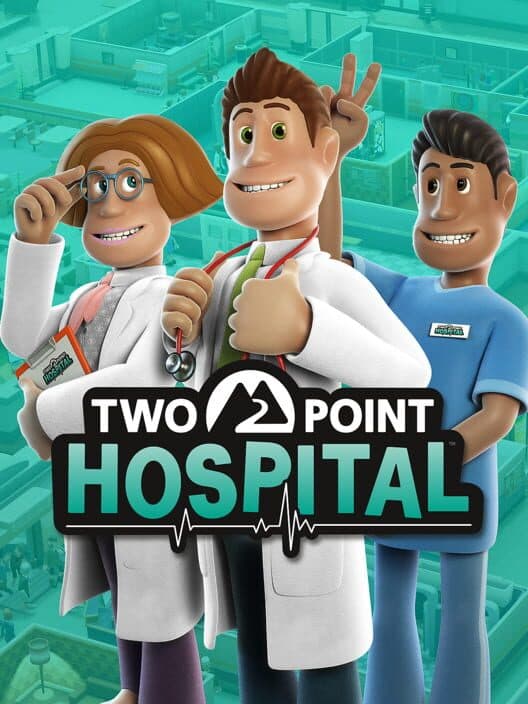
Whimsical but thoughtful hospital management sim

Great for 60–90 minute evening sessions

Fully pausable, forgiving, single-player experience

Is Two Point Hospital Worth It?

Two Point Hospital is absolutely worth it if you enjoy management or “tycoon” games and want something playful rather than stressful. The core loop—designing hospitals, hiring staff, fixing bottlenecks, and watching everything run smoother—is consistently satisfying. It asks you to think and plan, but at a relaxed pace, with full pause and save-anywhere support that suits adult life. You’re not grinding for loot or grinding through cutscenes; you’re nudging a messy system toward order and seeing results almost every session. What it doesn’t offer is deep story, intense action, or rich co-op. If you mainly want narrative drama or fast combat, this will feel light. For players unsure about the genre, it’s a great entry point and an easy recommendation on sale. For anyone who already knows they like games like Theme Hospital, Cities: Skylines, or Planet Coaster, it’s worth buying at full price and settling in for a charming campaign.

When is Two Point Hospital at its best?

When you have an hour or so on a weeknight and want something engaging but gentle, where you can pause freely and still feel tangible progress afterward.

On a lazy weekend afternoon when you feel like tinkering with layouts and decorations, happily watching your once-chaotic hospital slowly become efficient and attractive.

After a stressful day when you want light humor and low-pressure problem-solving, not twitch combat or heavy story, and you’re fine advancing a long-term campaign in small steps.

What is Two Point Hospital like?

Two Point Hospital fits neatly into a busy schedule. A single hospital can span several evenings, but you’ll usually hit satisfying milestones—fixing queues, earning a star, unlocking a key room—within 60–90 minutes. Because you can pause at any time and save almost anywhere, it works well around kids, roommates, or chores. There’s no pressure to finish a mission in one sitting, and stepping away mid-month is totally fine. Reaching the point where you feel you’ve “seen what the game offers” typically takes 20–30 hours: enough time to play through most hospitals at one or two stars and experience the main systems. Chasing three stars everywhere or replaying maps for cleaner designs is optional rather than essential. The game is entirely solo, so you never have to schedule around friends or guilds. Overall, it asks for regular but modest blocks of time and pays them back with clear progress and low-stress sessions.

Tips

  • Aim to finish a small objective each night—a star, a research unlock, or fixing one troublesome queue—to keep sessions feeling complete.
  • Don’t hesitate to pause and save mid-crisis if real life intrudes; you can resume that exact moment later.
  • If you’re short on time, revisit an earlier, calmer hospital for a quick tune-up instead of starting a brand-new, complex map.

Playing Two Point Hospital asks for steady, low-pressure concentration. Most of your time goes into watching how patients move through rooms, keeping an eye on money, and checking staff mood and maintenance overlays. You’re rarely doing just one thing; instead, you’re juggling several small concerns at once and deciding what matters most right now. Because you can pause or slow time whenever you like, this mental load feels deliberate rather than frantic. You might pause to redesign a wing, then unpause and simply watch the new layout in action for a while. The game is best when you have enough headspace to think about patterns—like recurring queues or frequent breakdowns—rather than skimming the surface. If you enjoy calmly picking apart systems and making small, smart adjustments, it fits very well. If you prefer something you can mostly play on autopilot while watching TV, this will probably ask for more attention than you’d like.

Tips

  • Use pause and normal speed while you’re learning; only jump to fast-forward once queues and finances look stable.
  • Check overlays regularly for maintenance, queues, and attractiveness so you can spot trends instead of reacting to full-blown crises.
  • When you’re tired, set one narrow goal for a session, like fixing GP queues, instead of trying to overhaul the entire hospital.

Two Point Hospital is friendly to newcomers but has enough depth to reward improvement. The first few hospitals gradually introduce new mechanics—staff training, research, disasters—so you can focus on one layer at a time. Within a handful of hours you’ll understand how to keep a basic hospital afloat without needing guides. From there, the real fun for many players is in refinement: shortening walking distances, specialising staff, scheduling training sensibly, and knowing when to expand versus consolidate. As you learn, you’ll feel later hospitals become calmer and more profitable much earlier. Crucially, the game doesn’t demand perfection; you can bumble through with suboptimal layouts and still succeed. That makes it forgiving for busy adults who don’t want homework, while still giving system-lovers plenty to chew on. If you enjoy noticing patterns and gradually upgrading your approach, you’ll feel your growing skill pay off across the campaign.

Tips

  • Pay attention to how far patients walk between key rooms; tightening those paths is one of the biggest mastery gains.
  • Specialise staff instead of making everyone a generalist; focused roles boost cure rates and reduce wasted time.
  • After each failed or stressful hospital, take a moment to note what actually broke—money, queues, or training—so you can target that next time.

Emotionally, Two Point Hospital stays on the gentle side. The bright visuals, goofy illnesses, and tongue-in-cheek DJ chatter keep the mood light even when things go wrong. You’ll occasionally feel a twinge of stress when your bank balance dives red, cure rates drop, or an epidemic threatens your reputation, but the presentation turns these into comic setbacks rather than gut-punch failures. Difficulty ramps up across the campaign, yet generous tools—pause, loans, reselling rooms—mean you almost always have ways to recover. There’s no horror, no sudden jump scares, and no punishing sequences where one mistake ruins hours of progress. For most adults, this makes it a good “engaged but not draining” choice after work. You’re involved and occasionally tense, but you’re unlikely to go to bed wired or frustrated. If you crave intense adrenaline or brutally hard challenges, it may feel too soft; if you’re wary of stressful games, it lands in a very approachable middle ground.

Tips

  • Treat failures and bankrupt hospitals as learning experiments, not disasters; you can always restart that map with new ideas.
  • If an epidemic or crisis stresses you out, pause immediately and handle it step by step instead of reacting in real time.
  • Stick to early and mid-campaign hospitals on tired evenings; save the trickier late-game maps for when you feel fresher.

Frequently Asked Questions