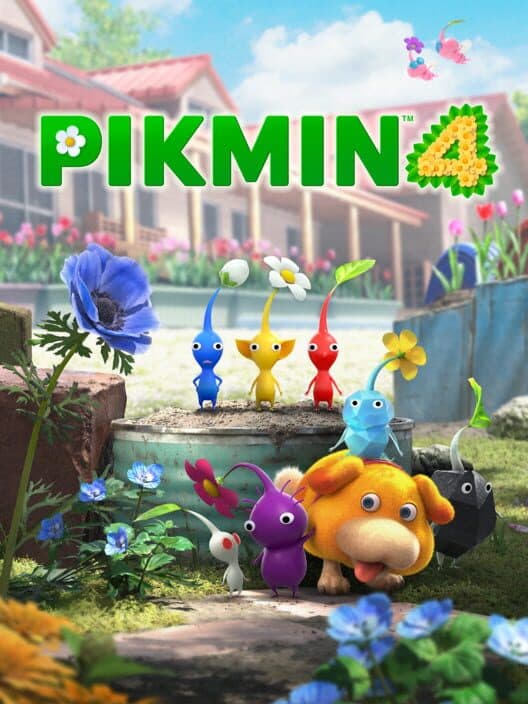
Pikmin 4

Nintendo2023Nintendo Switch

Cozy real-time strategy and exploration

Short, self-contained in-game days

Charming, low-stress, family-friendly adventure

Is Pikmin 4 Worth It?

Pikmin 4 is worth it if you enjoy gentle strategy, exploration, and Nintendo’s brand of charm, and you want something cozy but still mentally engaging. You’ll spend most of your time planning small missions, directing your Pikmin and dog around handcrafted maps, and watching each day’s haul turn into visible progress. It never becomes brutally hard or grindy, which makes it a great fit for adults who only have an hour or so in the evening. The game asks for a bit of planning energy and attention to the clock, but it gives back a strong sense of order and accomplishment. Each session feels like you tidied up a messy space and made the world friendlier. If you love deep character builds, heavy stories, or intense combat, this may feel too light to justify a full‑price buy; waiting for a sale could make more sense. But if “relaxed strategy in a beautiful miniaturized world” sounds appealing, Pikmin 4 is an easy recommendation at full price.

When is Pikmin 4 at its best?

When you have 45–90 minutes after work and want something gentle but mentally engaging, one or two in-game days make a perfect, self-contained evening session.

When kids or family are in the room and you want a game that’s safe, cute, and understandable to watch, its bright visuals and low-stakes action work really well.

When you’re too tired for twitchy shooters but still want to feel productive, planning routes, clearing caves, and tidying a region scratches that satisfying ‘organize and finish tasks’ itch.

What is Pikmin 4 like?

Pikmin 4 is unusually kind to a busy schedule. The main campaign typically wraps up in around 20–30 hours, enough to feel like a full journey without taking over your life. Crucially, that time is broken into small, self‑contained pieces. Each in‑game day, cave, or Dandori scenario takes roughly 15–40 minutes and ends with a summary screen, giving you perfect ‘just one more’ stopping points. You can pause whenever you like, and the Switch’s sleep mode means you can literally close the console mid‑action if something comes up. Clear objective lists and area completion meters make it easy to remember what you were doing after a few days—or weeks—away. Social obligations are minimal; co‑op is a light assist mode, not a commitment to friends. Altogether, it asks for modest, flexible time slices and gives you a complete, satisfying arc without demanding nightly sessions.

Tips

  • Aim for one or two in-game days per session; that usually lands in the 30–60 minute window and feels naturally complete.
  • Use Switch sleep mode if real life interrupts mid-day instead of rushing to finish before the timer hits sunset.
  • After a long break, start with a low-stakes cleanup day in a familiar area to quickly remember controls and goals.

Moment to moment, Pikmin 4 asks you to think more than to react. You’re planning routes, choosing which Pikmin types to bring, splitting groups, and keeping an eye on a very forgiving day timer. Because enemies are slow and indicators are clear, you don’t need lightning reflexes or constant micromanagement. The game gives you time to look at the map, set two or three priorities, then calmly work through them. This makes it great when you have some mental energy left but don’t want anything intense or twitchy. You should stay engaged with the screen—this isn’t background‑podcast material—but you can comfortably play after work without frying your brain. Caves feel like small puzzles, the surface feels like a tidy to‑do list, and the interface keeps you oriented. Overall, it asks for steady, moderate focus and rewards you with a pleasant sense of organizing and executing a plan.

Tips

  • Start each in-game morning by picking two or three clear goals instead of chasing everything on the map at once.
  • Save new regions or complex caves for nights when you feel fresher, and use tired evenings for simple cleanup and treasure hauling.
  • If you feel overwhelmed, bring fewer Pikmin types so there are fewer abilities to juggle in your head at once.

Getting comfortable in Pikmin 4 doesn’t take long. The game introduces Pikmin types, Oatchi’s abilities, and basic systems slowly, with generous tutorials and very low penalties early on. Within a few evenings you’ll understand how days flow, what each color does, and how to handle most common enemies without trouble. For a busy adult, that means you can enjoy the core loop quickly without studying guides or memorizing complex controls. The deeper side of the game appears if you chase high ranks in Dandori challenges or try to clear regions in as few days as possible. Here, careful routing, smart splitting of squads, and precise timing start to matter more. Mastery noticeably boosts efficiency and feels satisfying, but the main story doesn’t require that level of play. You can largely choose how far down the optimization rabbit hole you want to go, making the game welcoming to both laid‑back players and quiet perfectionists.

Tips

  • Let the early game teach you naturally; don’t worry about perfect play until you’re familiar with each Pikmin type and Oatchi’s moves.
  • If you want to improve, replay a finished day just once, focusing on one small change like better pathing or fewer idle Pikmin.
  • Treat Dandori challenges as optional mastery tests; ignore gold medals unless chasing them sounds genuinely fun to you.

Pikmin 4 sits firmly on the low end of the stress spectrum. The world is colorful and friendly, the music is relaxed, and the default difficulty is forgiving. When things do get tense, it’s usually because the sun meter is dropping or a boss looks scary, not because you’re about to lose an hour of progress. If a day goes badly, you can just try it again with a better plan. You might feel a pang when a batch of Pikmin gets eaten, but the game softens the blow with cute visuals and how quickly you can grow replacements. Dandori challenges add a short burst of timer pressure, yet runs are so brief and repeatable that they rarely feel punishing. This is much closer to a cozy puzzle or management game than a heart‑pounding shooter or horror title. It’s ideal when you want something engaging that won’t spike your heart rate or leave you wired before bed.

Tips

  • If timers make you anxious, favor caves and early areas, which either pause the clock or give you generous time to finish.
  • When a day goes poorly or you lose many Pikmin, treat it as a practice run and redo it immediately for a cleaner, less stressful outcome.
  • Avoid Dandori challenges when you’re already tense; save them for when you feel like a playful test of efficiency.

Frequently Asked Questions