Powered by IGDB•Privacy•Terms

© 2026 Slated.gg

Slated.gg
Popular GamesAbout

Cities: Skylines II

Paradox Interactive • 2023 • Xbox Series X|S, PC (Microsoft Windows), PlayStation 5
Relaxing & low-pressureGreat solo experience

Is Cities: Skylines II Worth It?

Cities: Skylines II is worth it if you enjoy thoughtful planning and the slow satisfaction of watching a city come to life. It asks for patience, a reasonably powerful PC, and a willingness to learn how roads, zoning, and services interact. In return, it gives you a deep, flexible sandbox where every improvement to traffic or budgets feels like your own achievement. There’s no story pressure or multiplayer grind, just a long-running project you can revisit over many evenings. Sessions are easy to pause and save, so it slips around work and family life well, as long as you can spare focused hour-long blocks. Performance and balance have improved since launch but can still be rough on weaker machines and in very large cities, so checking current patch status is smart. If you already like city-builders or management sims, it’s a strong full-price buy. If you’re only mildly curious or mostly play fast, story-driven games, waiting for a sale is the safer move. Skip it if juggling numbers, layouts, and slow-burn projects simply doesn’t appeal to you.

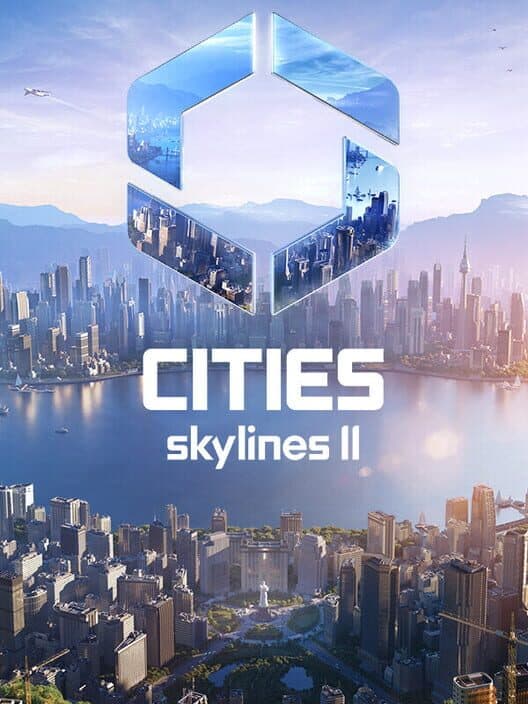
Cities: Skylines II cover art

Cities: Skylines II

Paradox Interactive • 2023 • Xbox Series X|S, PC (Microsoft Windows), PlayStation 5

Relaxing & low-pressureGreat solo experience

Is Cities: Skylines II Worth It?

Cities: Skylines II is worth it if you enjoy thoughtful planning and the slow satisfaction of watching a city come to life. It asks for patience, a reasonably powerful PC, and a willingness to learn how roads, zoning, and services interact. In return, it gives you a deep, flexible sandbox where every improvement to traffic or budgets feels like your own achievement. There’s no story pressure or multiplayer grind, just a long-running project you can revisit over many evenings. Sessions are easy to pause and save, so it slips around work and family life well, as long as you can spare focused hour-long blocks. Performance and balance have improved since launch but can still be rough on weaker machines and in very large cities, so checking current patch status is smart. If you already like city-builders or management sims, it’s a strong full-price buy. If you’re only mildly curious or mostly play fast, story-driven games, waiting for a sale is the safer move. Skip it if juggling numbers, layouts, and slow-burn projects simply doesn’t appeal to you.

When is Cities: Skylines II at its best?

When you have a quiet evening, a drink, and about 60–90 minutes to focus on one project, like untangling a highway or building a new neighborhood.

On a relaxed weekend afternoon when you can stack two sessions, perfect for pushing your city through a big growth milestone and watching the skyline transform.

When you want something engaging but not loud or stressful after work, ideal for tinkering alone without needing friends online or following a complex story.

What is Cities: Skylines II like?

Commitment

MODERATE

Commitment

Best as a long-running city project you revisit for 60–90 minute sessions, with flexible saving, easy pausing, and zero social obligations.

MODERATE

Cities: Skylines II fits neatly into an adult schedule if you treat one city as a long-term project. You’ll likely spend 30–60 hours guiding a single map from small town to big, stable metropolis, spread across many evenings. The game doesn’t care how you slice that time: sessions of 60–90 minutes work perfectly, and you can save and quit at almost any moment. Natural stopping points appear when you finish a district, stabilize a budget, or test a big redesign. Because there’s no story, no seasons, and no multiplayer, there’s also no fear of missing out if you step away for a week or two. Coming back mostly means remembering your last project and scanning overlays to see how things are doing. It’s forgiving of interruptions and real-life chaos, but still asks you to commit enough time that your mental model of the city doesn’t completely fade between sessions.

Tips

  • Aim each session at a single clear goal, like “fix this interchange” or “build a new suburb,” so progress feels concrete.
  • Stop after you reach a natural stability point rather than pushing into a new project when you’re already tired.
  • If you’ve been away for a while, spend your first 10 minutes just paused, panning around, and reading city stats before changing anything.

Focus

MODERATE

Focus

Thoughtful city planning that keeps your brain busy, but lets you pause, think, and tinker without any need for fast reactions.

MODERATE

Cities: Skylines II keeps your mind engaged nearly the whole time you’re playing. You’re constantly weighing tradeoffs between traffic flow, land value, pollution, and budgets while scanning overlays and graphs to see what your last change did. It’s very much a thinking game, not a reaction game. Because time can be paused whenever you like, you decide when to lean in and when to relax and simply watch your city breathe. A typical session swings between concentrated planning, careful road redesign, and calmer stretches where you just observe the results. You don’t need to stare at the screen every second, especially if you’re running the simulation slowly, but the experience is best when you can give it a decent chunk of your attention. Multitasking with a podcast or light TV works, yet true progress still comes from sitting forward, studying data views, and iterating on your design ideas.

Tips

  • Pause often while redesigning road networks so you can think clearly without worrying about things breaking in the background.
  • Keep overlays and info views open while you build; treating them like a dashboard reduces how much you need to mentally juggle.
  • If you’re tired, stick to simple expansions or cosmetic tweaks and leave major traffic or budget surgery for fresher sessions.

Mastery

MODERATE

Mastery

Takes several sessions to click, but understanding how systems interact makes your cities run smoother and feel far more satisfying.

MODERATE

Learning Cities: Skylines II is less about memorizing buttons and more about internalizing how its many systems feed into each other. Early on you’ll probably struggle with cash flow or traffic and lean heavily on trial and error. After a handful of evenings, basic patterns become familiar: road hierarchies, service coverage, how zoning demand behaves, and why bottlenecks form. That’s when the game opens up. As you master its logic, you’re rewarded with visibly cleaner layouts, stable finances, and cities that grow without constant firefighting. The payoff is real but subtle—no boss kills or ranking badges, just smoother graphs and a skyline you’re proud of. For a busy adult, this is a slow-burn kind of mastery: each week you understand a little more, and that knowledge carries into every new city you build. It’s meaningful growth without feeling like homework, especially if you enjoy learning through tinkering rather than reading long guides.

Tips

  • Focus on learning one big concept at a time, like road hierarchy or public transport, instead of trying to master everything at once.
  • When a design works well, save a separate copy of your city so you can revisit and study what you did right.
  • Don’t be afraid to abandon an early, messy city; starting fresh with your new knowledge often feels better than endlessly patching mistakes.

Intensity

LOW

Intensity

Mostly a calm, low-stress builder with brief spikes of tension when money or traffic go wrong, rarely anything heart-pounding or brutal.

LOW

Despite its complexity, Cities: Skylines II feels surprisingly gentle moment to moment. There’s no combat, no timers pushing you to react instantly, and no big cinematic crises that jack up your heart rate. Most of the time you’re in a relaxed, almost meditative flow: laying out roads, placing zones, watching little cars and people go about their routines. Stress shows up when something clearly breaks—your budget dives into the red, a highway clogs solid, or services get overwhelmed. Those moments can feel tense and even frustrating, but they’re rarely overwhelming because you can always pause, think, and fix things gradually. The game doesn’t punish failure with a game over screen; it lets problems snowball until you either unwind them or decide this city was a learning experience. For busy adults, that means you can play after work without feeling wrung out, while still getting enough challenge to stay awake and engaged.

Tips

  • If you feel overwhelmed, immediately pause and switch to slower game speed before making any decisions.
  • Treat big crises as learning labs, not disasters; experiment with bold changes knowing you can always reload an older save.
  • Avoid playing large, fragile cities when you’re already stressed from real life, and instead start a smaller, low-stakes map.

Frequently Asked Questions

You Might Also Like

Games with a similar rhythm and feel, even if they look different
Manor Lords game cover art

Manor Lords

Commitment
MODERATE
Focus
MODERATE
Mastery
MODERATE
Intensity
LOW
Cities: Skylines game cover art
Relaxing & low-pressureGreat solo experience

Cities: Skylines

Commitment
HIGH
Focus
MODERATE
Mastery
MODERATE
Intensity
LOW
Two Point Hospital game cover art

Two Point Hospital

Commitment
MODERATE
Focus
MODERATE
Mastery
MODERATE
Intensity
LOW
Anno 117: Pax Romana game cover art

Anno 117: Pax Romana

Commitment
HIGH
Focus
MODERATE
Mastery
MODERATE
Intensity
LOW
Sid Meier's Civilization VI game cover art
Great solo experience

Sid Meier's Civilization VI

Commitment
HIGH
Focus
MODERATE
Mastery
MODERATE
Intensity
LOW
Sid Meier's Civilization VII game cover art
Relaxing & low-pressureGreat solo experience

Sid Meier's Civilization VII

Commitment
HIGH
Focus
MODERATE
Mastery
HIGH
Intensity
LOW
← Back to Home