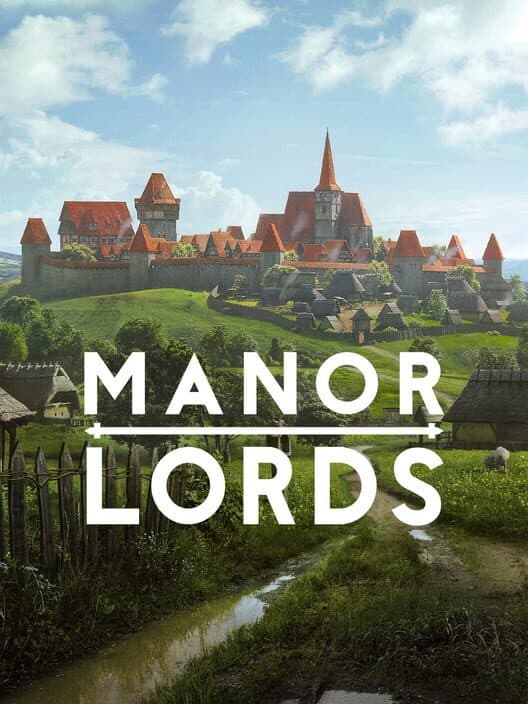
Manor Lords

Hooded Horse2024PC (Microsoft Windows), Xbox One

Historical city-building with optional tactical battles

One substantial 20–40 hour regional campaign

Thoughtful economic planning at relaxed pace

Is Manor Lords Worth It?

Manor Lords is worth it if you enjoy thoughtful city-builders and light strategy battles more than cinematic stories or twitchy combat. Its core appeal is watching a historically grounded medieval village grow into a thriving regional hub under your careful planning. The game asks for some mental energy and patience: you’ll be reading overlays, thinking about seasons, and tuning production chains, not mashing buttons. In return, it delivers strong satisfaction from seeing every road, field, and workshop choice pay off visually and mechanically. Sessions feel meaningful, and a single 20–40 hour campaign gives a complete, self-contained experience without live-service grind or daily chores. Buy at full price if you like games like Banished, Anno, or Total War’s campaign layer and want a slower, more grounded version. If you mainly play for character-driven stories, fast-paced combat, or multiplayer, this will likely feel too slow and solitary—wait for a sale or skip. For time-limited adults who love planning and atmosphere, it’s an excellent value.

When is Manor Lords at its best?

When you have a focused 60–90 minutes in the evening to tweak roads, fields, and production chains, nudging your town neatly from one seasonal milestone to the next.

On a quiet weekend afternoon when you can settle in for a longer session, pushing through a full winter, handling a raid, and unlocking a major new industry in one sitting.

When you’re in the mood for something calm but mentally engaging, happy to pause often, sip a drink, and watch a medieval settlement slowly transform under your decisions.

What is Manor Lords like?

- 20–40 hours for one full run - Works well in 60–90 minute chunks - Easy to pause, moderate to return after long breaks For a busy adult, Manor Lords fits nicely as a “one campaign over a few weeks” game. A single region run typically lasts 20–40 hours, enough time to watch your village grow through multiple winters and secure neighboring lands. You can comfortably play in hour-long evening sessions, hitting natural milestones like completing a new industry or surviving a season. Structural flexibility is excellent. You can pause at will, save in most situations, and walk away mid-session without fear that everything will collapse in thirty seconds. That makes it friendly to parents, roommates, and anyone with an unpredictable home life. The main cost is mental, not mechanical. If you disappear for a couple of weeks, coming back to a half-finished town means re-learning what you were building toward and why jobs are assigned the way they are. It’s still very playable in bursts, but you’ll get the most out of it by engaging semi-regularly rather than as a once-a-month side project.

Tips

  • Name or mentally label districts and industries so it’s easier to remember their purpose when you return after a break.
  • Try to end sessions at clear milestones—finishing a chain or season—so your “next step” is obvious when you load in.
  • If life gets hectic, consider starting a fresh, smaller-scale run rather than forcing yourself to resurrect a very complex late-game town.

- Mostly planning and economic tuning - Calm pacing with pausable battles - Occasional checks, not constant staring Manor Lords asks for a steady, strategic kind of attention rather than nonstop alertness. Most of your session is spent scanning overlays, spotting bottlenecks, and deciding how to shape roads, plots, and industries. You’ll often juggle several priorities at once—food stocks, fuel, approval, and troop readiness—but the pace is gentle, and the pause button is always available. Because you can slow or stop time, there’s little pressure to react instantly. Calm seasons and long construction projects are especially forgiving: you can watch villagers work, zoom in on details, or even glance at your phone without catastrophe. Attention needs spike briefly when raiders appear or a major shortage hits, since timely orders can save units or prevent spirals. Overall, it suits evenings when you have decent mental energy and want to sink into a planning mindset, but don’t want the white-knuckle focus of a pure action game.

Tips

  • Play with overlays frequently; fertility, pathing, and approval views make it much easier to see where attention is truly needed.
  • Use pause and speed controls deliberately: pause to make changes, 3x speed through quiet seasons so you’re not just watching meters crawl.
  • Avoid background TV or podcasts your brain really cares about; light music or ambient noise pairs better with the planning-heavy gameplay.

- Several evenings to feel competent - Knowledge clearly improves each new town - No need to min-max to finish Manor Lords isn’t something you instantly “get” in one sitting, but it’s also far from the most intimidating strategy game out there. Your first hours go into understanding how housing works, how crops rotate across seasons, and how different production chains feed each other. Expect some missteps—awkward layouts, shortfalls, or inefficient routes—while you’re learning. Once the basics click, though, skillful play noticeably changes the experience. Smart road placement and plot design reduce wasted walking; well-timed expansions avoid crippling shortages; clever use of terrain helps battles swing your way. Each new run feels smoother as your mental model of the systems improves. Importantly, you don’t need to become a spreadsheet wizard to see credits, or their equivalent. A reasonably planned town and a bit of caution around winters are enough to complete a regional campaign. Mastery is there for those who enjoy iteration and optimization, not as a brick wall blocking casual players.

Tips

  • Treat your first town as a learning project; don’t be afraid to make mistakes and restart once you understand key chains and seasons.
  • When something breaks—like food or fuel—pause and trace the chain backward step by step to see where it actually fails.
  • Start on a friendlier difficulty or map so you can focus on learning systems before worrying about harsh punishments.

- Generally relaxing stewardship vibe - Tension spikes around crises - Medium difficulty without cruelty Moment to moment, Manor Lords is surprisingly soothing. You’re watching crops sway, villagers work, and seasons roll by, which creates a low-key, almost cozy feeling. The stress comes in pulses: a harsh winter approaching with thin food reserves, or a band of raiders massing at your borders. When things go wrong, the pressure is real—you’ll feel a knot in your stomach as grain runs out or a flank collapses. But the game rarely blindsides you. Warnings, overlays, and the ability to pause give you time to respond, so it feels like engaged problem-solving rather than panic. Compared to something like Frostpunk, this is much gentler; compared to a purely chill builder with no fail states, it’s definitely more demanding. This makes it a good fit when you want to be stimulated without being wrung out. It’s not ideal for nights when any hint of famine, war, or loss will add to your stress rather than give you satisfying challenges to overcome.

Tips

  • If you’re feeling tense, lean on pause during raids and big shortages so decisions feel deliberate, not rushed.
  • Stay ahead of winters: overproduce food and fuel in good years to avoid last-minute crisis management.
  • If a run turns into a stress spiral, don’t hesitate to reload earlier saves or even restart with easier settings.

Frequently Asked Questions