Sabotage • 2023 • Xbox Series X|S, PlayStation 4, PC (Microsoft Windows), PlayStation 5, Xbox One, Nintendo Switch
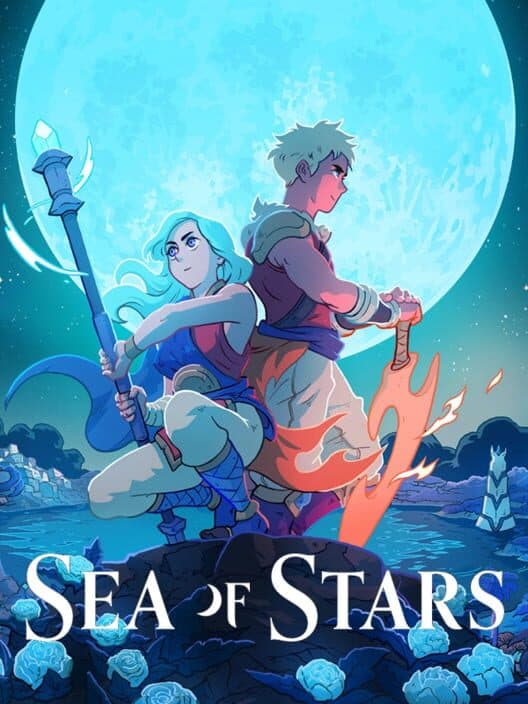
Sea of Stars
Sabotage • 2023 • Xbox Series X|S, PlayStation 4, PC (Microsoft Windows), PlayStation 5, Xbox One, Nintendo Switch
Is Sea of Stars Worth It?
Yes, Sea of Stars is worth it if you want a polished 25 to 35 hour adventure that feels classic without the old annoyances. Its best traits show up fast: gorgeous pixel art, a standout soundtrack, smooth pacing, and turn-based battles with just enough timing and planning to stay lively. It also respects your time. There are no random encounters, grind is light, and most sessions leave you feeling like you actually moved the story forward. What it asks from you is modest but real: steady attention during bosses, tolerance for a simpler combat ceiling, and acceptance that the writing does not always hit the emotional heights its presentation promises. Buy at full price if you love classic-style travel, dungeons, and comfort-food fantasy with modern convenience. Wait for a sale if you need deeper party building, tougher fights, or stronger character writing. Skip it if you want a highly customizable systems-driven game instead of a handcrafted, mostly breezy journey.
What is Sea of Stars like?
Opinions of Sea of Stars
What Players Love
- Players Love
Pixel art and music make the whole adventure feel premium
Players repeatedly say the animation, location design, and soundtrack lift the game above simple nostalgia, making even small towns and dungeons memorable.
- Players Love
Modern conveniences keep the journey moving without old-school grind
The lack of random encounters, brisk movement, and clear forward progress are often praised for preserving the classic feel while trimming wasted time.
- Players Love
Lock-breaking battles stay fun through the early and middle game
Timed hits, timed blocks, and planning around enemy locks give regular fights a lively rhythm, especially before the later hours settle into a breezier groove.
Common Concerns
- Common Concern
Story payoff and character writing do not always land
A common complaint is that the villains, party arcs, and bigger emotional moments never fully match how strong the art, music, and setup first feel.
Divisive Aspects
- Divisive
Late combat can feel breezy or too repetitive
Some players enjoy the relaxed back half, while others feel normal mode loses bite and routine encounters stop evolving enough to stay exciting.
What does Sea of Stars demand from you?
Time
MODERATETime
A tidy 25 to 35 hour journey that fits weeknights well, especially if you like clear stop points and no social obligations.
Focus
LOWFocus
Mostly relaxed brain work with small bursts of timing, asking you to read enemy plans, solve light room tricks, and stay present during bosses.
Challenge
LOWChallenge
Easy to learn, gently rewarding to improve at, and rarely demanding guides, grinding, or a spreadsheet mindset.
Intensity
LOWIntensity
Calm most of the time, with boss fights adding light pressure instead of real dread, panic, or repeated punishment.
Frequently Asked Questions
You Might Also Like
Games with a similar rhythm and feel, even if they look different