Paradox Interactive • 2015 • Google Stadia, Linux, PC (Microsoft Windows), Mac
Deep city-building sandbox about planning and infrastructure
Long-form projects, one city over many evenings
Relaxing, low-stress management with satisfying visual growth
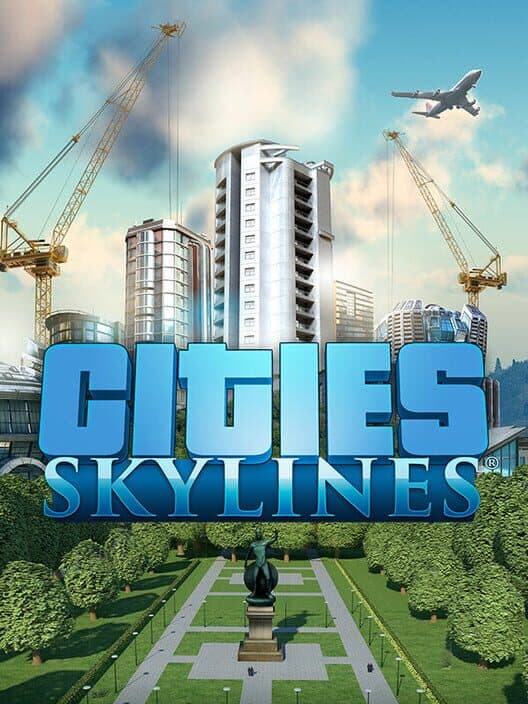
Cities: Skylines is absolutely worth it if you enjoy planning, tinkering, and watching a complex system slowly come together. It’s a modern take on classic city-builders with deeper traffic and service simulation than most casual management games. The main cost isn’t money, it’s mental energy and time: you’ll spend many evenings thinking through road layouts, budgets, and transit lines, and it’s very easy to stay up later than planned. In return, you get a uniquely satisfying feeling of authorship as your empty map becomes a glowing metropolis that runs (mostly) because of your choices. It’s also friendly to busy adults: you can pause anytime, save anywhere, and chip away at a single city over weeks. Buy at full price if you love builders, spreadsheets, or urban design. If you’re just curious about the genre or mostly want story and action, it’s better as a sale pickup. Skip it if you dislike open-ended goals or the idea of managing systems sounds like work.

Paradox Interactive • 2015 • Google Stadia, Linux, PC (Microsoft Windows), Mac
Deep city-building sandbox about planning and infrastructure
Long-form projects, one city over many evenings
Relaxing, low-stress management with satisfying visual growth
Cities: Skylines is absolutely worth it if you enjoy planning, tinkering, and watching a complex system slowly come together. It’s a modern take on classic city-builders with deeper traffic and service simulation than most casual management games. The main cost isn’t money, it’s mental energy and time: you’ll spend many evenings thinking through road layouts, budgets, and transit lines, and it’s very easy to stay up later than planned. In return, you get a uniquely satisfying feeling of authorship as your empty map becomes a glowing metropolis that runs (mostly) because of your choices. It’s also friendly to busy adults: you can pause anytime, save anywhere, and chip away at a single city over weeks. Buy at full price if you love builders, spreadsheets, or urban design. If you’re just curious about the genre or mostly want story and action, it’s better as a sale pickup. Skip it if you dislike open-ended goals or the idea of managing systems sounds like work.
Best when you have a quiet evening and 60–90 minutes to focus on one project, like redesigning a junction or adding a new residential district without rushing.
Great for weekend afternoons when you want something relaxing to pair with a podcast, slowly expanding your city and checking in occasionally to fix new issues.
Ideal if you enjoy long-running hobbies: you can revisit the same city across many nights, making steady improvements without coordinating with friends or following a complicated story.
Best experienced as a long-term project city you revisit across many nights, yet flexible saves and pause make it friendly to busy schedules.
Cities: Skylines is built around long-term projects, but it plays surprisingly well with a busy schedule. A full “life” for one city, from empty land to high-density skyline, can easily span 30–50 hours, spread over many evenings. Yet the game’s structure is forgiving: you can save anywhere, pause instantly, and there’s no requirement to finish anything in a single sitting. Natural stopping points tend to be finishing a new neighborhood, solving a persistent traffic knot, or hitting the next population milestone. Short 45–90 minute sessions work fine if you focus on one contained task at a time. The trade-off is that returning after a week away may require a few minutes of flying around, checking overlays, and remembering what you were planning. It’s a game you can step away from without guilt, but it rewards players who enjoy coming back to the same evolving project again and again.
Play demands steady, thoughtful planning and frequent map checks, but generous pause controls mean you can take breaks or glance away without everything falling apart.
Cities: Skylines keeps your mind pleasantly busy rather than your hands. A typical session has you pausing the simulation, scanning traffic, power, and zoning overlays, then sketching out new districts or road changes. The thinking is similar to planning a renovation or a big work project: you weigh trade-offs, estimate future needs, and try to avoid making a mess you’ll regret later. Once you unpause, you mostly watch how your decisions play out, with occasional tweaks as new icons pop up. There’s no rush, so you can take as long as you like to decide where a highway should go or how dense to zone. Because you can pause at any moment, it’s quite friendly to real-life distractions, and you don’t lose track if you look away for a bit. Overall it asks for steady, thoughtful attention, but not razor-sharp reactions or constant vigilance.
Takes several evenings to grasp the basics, and many more to refine layouts, but smarter planning clearly pays off in smoother, prettier cities.
Learning Cities: Skylines isn’t instant, but it’s very approachable if you’re patient. The first evenings are about understanding the basics: how zoning demand works, why services need good road access, and how traffic actually flows. You’ll probably create at least one city that clogs or goes broke while you experiment. The game doesn’t tutorialize everything, but its overlays and feedback icons give you good clues if you’re willing to look closely. Once the fundamentals click, you start seeing real payoffs from smarter planning: smooth arterial roads, efficient bus routes, balanced budgets, and far fewer emergency fixes. From there, you can dive into more advanced tricks if you want, like building realistic interchanges or specialized districts, but they’re never mandatory. Skill matters a lot in terms of how satisfying your cities feel, yet you don’t need expert-level knowledge to enjoy yourself on normal settings.
Mostly calm and meditative, with occasional tension when traffic collapses or budgets run red, but mistakes rarely trigger harsh punishment or frantic scrambling.
Emotionally, Cities: Skylines sits in a mellow, low-pressure space. There are no enemies, timers, or jump scares trying to spike your heart rate. Instead, stress comes from softer sources: traffic jams that won’t clear, neighborhoods complaining about noise, or budgets sliding into the red. These moments can feel tense, especially if you’ve invested hours into a city and don’t want to bulldoze half of it. But consequences are usually slow and reversible, so you have time to breathe, pause, and rethink your approach. You’re rarely thrown into a sudden crisis you can’t prepare for. Difficulty mainly shows up as stubborn problems that take a few evenings to truly solve, not as repeated “you died” screens. For most players, the overall vibe is calm, almost meditative, with occasional spikes of “uh-oh, what did I break?” that quickly turn into satisfying problem-solving.
Games with a similar rhythm and feel, even if they look different