Tunic

Finji2022Xbox Series X|S, PlayStation 4, PC (Microsoft Windows), PlayStation 5, Mac, Xbox One, Nintendo Switch
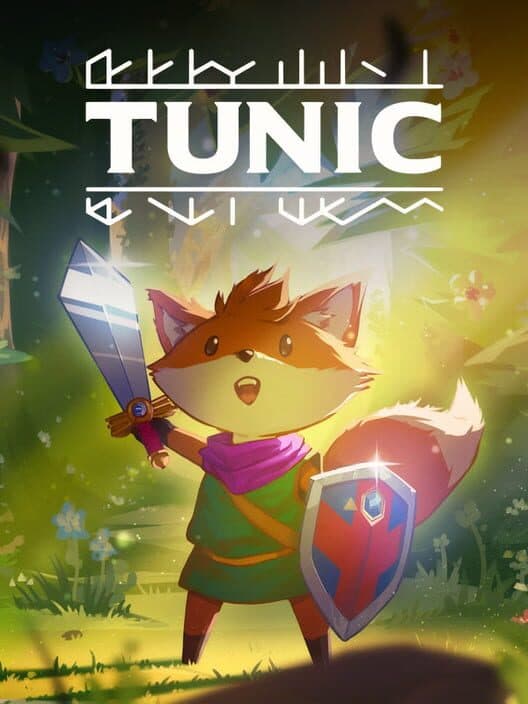
Isometric fox adventure mixing combat and puzzles

Compact Zelda-style world hiding deep secret layers

Best as thoughtful solo evening exploration sessions

Is Tunic Worth It?

Tunic is worth it if you love exploration, clever puzzles, and a bit of challenge wrapped in a gentle, beautiful world. It asks for focused attention, patience with mystery, and comfort with learning through experimentation instead of clear instructions. In return, it delivers a steady stream of discoveries: secret passages, recontextualized mechanics, and “I can’t believe that was here all along” moments that feel genuinely special. For full-price buyers, it’s a great pick if classic Zelda, games like Dark Souls (minus the extreme punishment), or puzzle-heavy adventures appeal to you. The 12–20 hour main run is dense and rarely padded, which suits busy adults who want a complete experience in a few weeks. If you aren’t sure about the difficulty or the opaque design, it’s still an excellent choice on sale. People who mainly want a clear, cinematic story, minimal friction, or totally relaxed, low-effort play should probably skip it or be ready to lean on the accessibility options.

When is Tunic at its best?

You have a quiet weeknight with 60–90 minutes free and want something thoughtful yet cozy, where you can push a little farther and feel real progress before bed.

You’re in the mood to unravel a clever mystery rather than follow quest markers, happy to reread a few in-game pages and experiment with how symbols connect to the world.

You want a focused solo game for the next few weeks that doesn’t demand grinding or online coordination, just careful exploration, a handful of tough bosses, and notebook-style puzzle solving.

What is Tunic like?

For a time-constrained adult, Tunic is a manageable commitment. Most players will complete the main story in about 12–20 hours, spread over several weeks of evening play. Chasing the deeper secret ending and more obscure puzzles might push that toward 25–30 hours, but you’ll already have had a full, satisfying arc without doing absolutely everything. Sessions fit neatly into 60–90 minute blocks. Statues act as hubs where you can stop safely, and regions naturally break into chunks: explore a bit, unlock a shortcut, maybe beat a boss or solve a cluster of puzzles, then quit. Full pause support and frequent checkpoints make it forgiving if real life interrupts. The main catch is returning after long gaps. Because objectives and clues are not written in a conventional quest log, you may need a meaningful warmup session to reorient yourself. It’s also a strictly solo game, which simplifies scheduling but means all motivation has to come from you rather than a group.

Tips

  • Aim for regular short sessions rather than marathon weekends; playing two or three nights a week keeps clues and routes fresh in your memory.
  • Jot down a few quick notes near statues about doors, symbols, or puzzles you want to revisit to ease your next login.
  • Since it’s purely solo, treat it like a short personal series: something you intentionally work through over a month or so, then happily finish.

Tunic asks for more focus than its cute art style suggests. Combat sections want your full attention: you’re watching stamina, reading enemy windups, and choosing when to dodge, block, or strike. Mistakes hurt, so half-watching while scrolling your phone will quickly get you killed. Outside of fights, the game shifts into a slower but still demanding mode where you’re studying the environment, cross-referencing manual pages, and remembering where you saw certain symbols or locked doors before. There is breathing room. Traversal between statues, or retracing well-known paths, gives your brain a short break. You can also pause anytime and take your time with puzzles. But overall, this is not a background podcast game. What it asks in focus it pays back in satisfying “aha” moments when connections click and previously confusing areas suddenly make sense. If you like feeling mentally engaged without drowning in spreadsheets, this is a sweet spot.

Tips

  • Save it for evenings when you can spare an uninterrupted hour; it’s not ideal for tiny, distracted ten-minute bursts.
  • Use statues as planning points: pause, reread recent manual pages, and pick one clear objective before heading back out.
  • If fights demand too much focus, turn on combat assists so you can devote more attention to exploration and puzzles.

Tunic doesn’t have an enormous control set, but getting comfortable goes beyond just learning which button does what. In the early hours you’re figuring out basic timing: how far your dodge rolls carry you, which attacks can be blocked safely, and how quickly stamina recovers. A busy adult will likely need several sessions before these reactions feel natural instead of conscious decisions. In parallel, you’re slowly learning the game’s “language.” Manual pages explain mechanics in pictures and invented text, so mastery includes recognizing symbols, remembering what obscure items actually do, and spotting visual hints embedded in level layouts. Many of the most satisfying moments come not from twitch improvement, but from realizing that a detail you saw hours ago was actually a clue. The game rewards this growth by making once-brutal areas manageable and revealing hidden routes and secrets. You don’t need extreme skill to finish the main story, but investing in learning—both mechanically and conceptually—pays off with smoother sessions and deeper discoveries.

Tips

  • Treat early regions as practice grounds, focusing on clean dodges and blocks instead of rushing straight to the next area.
  • Take screenshots or brief notes when you find strange symbols or confusing manual pages; many puzzles pay off long after you first see them.
  • If you’re mostly here for mysteries, consider lowering combat difficulty so fights don’t block your progress toward the clever puzzle content.

Tunic sits in an interesting place: the look and music are soft and calming, but the gameplay can absolutely put you under pressure. On default settings, enemies hit hard, stamina runs out quickly, and some bosses will likely take several serious attempts. Those stretches can raise your heart rate, especially when you’re carrying a lot of currency and don’t want to drop it far from a statue. At the same time, the emotional tone isn’t bombastic or grim. There’s no shouted dialogue, no jump-scare horror, and no social pressure from other players. When you’re exploring or working on puzzles, the feeling is more “quiet curiosity” than adrenaline spike. And if combat tension starts to feel like a chore, the options menu lets you crank down or even effectively remove death in fights. So the game asks you to tolerate some real challenge, but it rarely feels cruel. The payoff is the satisfaction of finally beating a tough boss or cracking a long-standing puzzle rather than pure white-knuckle intensity.

Tips

  • If a boss is stressing you out, cap your attempts per session and go explore elsewhere once you feel yourself getting tense.
  • Don’t hesitate to enable damage reduction or no-fail combat if repeated deaths feel exhausting instead of exciting.
  • When a puzzle starts to feel more frustrating than fun, give yourself permission to take a break and return with fresh eyes.

Frequently Asked Questions